Waterfront vs Seaport Condos: Which Boston Lifestyle Fits?
January 1, 2026
January 1, 2026
Wondering if your perfect Boston harbor home is in the Waterfront or the Seaport? You have great choices within a few blocks, but each area offers a distinct rhythm, amenity mix, and daily experience. If you want clarity on finishes, fees, walkability, transit, and long-term considerations like flood resilience, you’re in the right place. This guide compares the condo lifestyle in both neighborhoods so you can buy with confidence. Let’s dive in.
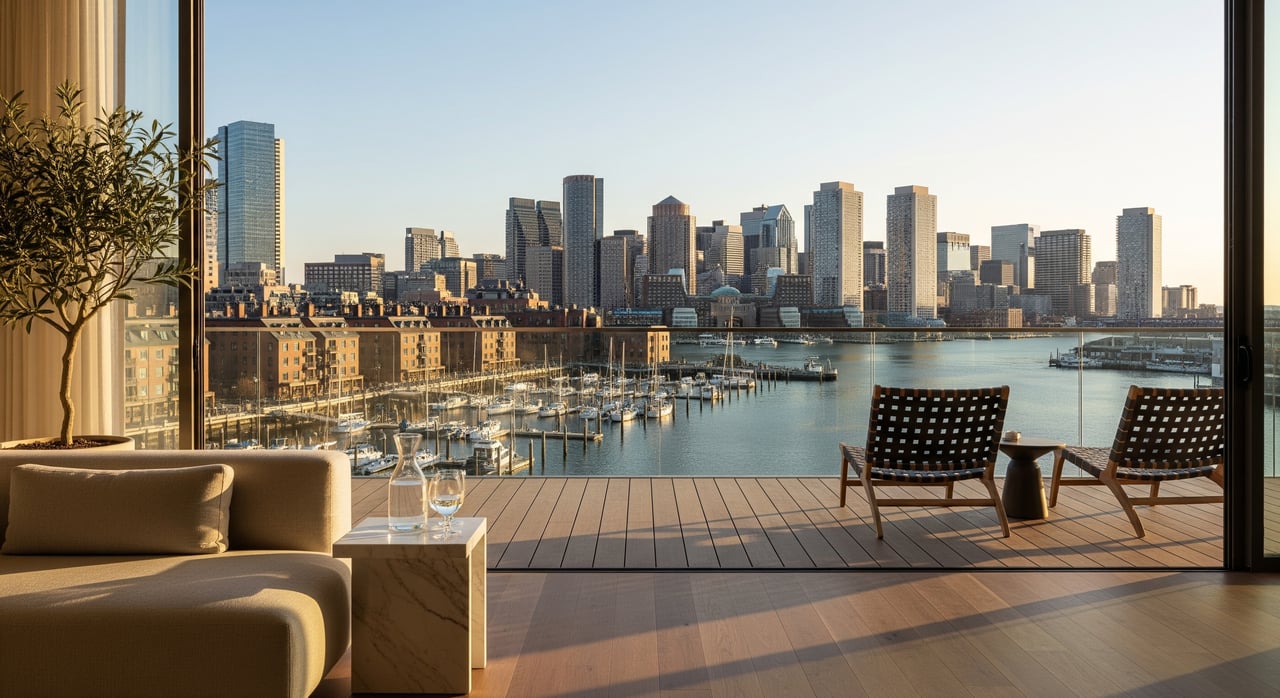
The terms overlap in everyday use, but the feel is different. The Seaport is a newer, high-density district known for glass towers, modern amenities, and an active dining and nightlife scene. The Waterfront includes a mix of older and newer buildings closer to historic downtown and harbor attractions, with some blocks that feel more residential and calm. In 02127 and the surrounding harborfront, your exact block matters more than the label on a map.
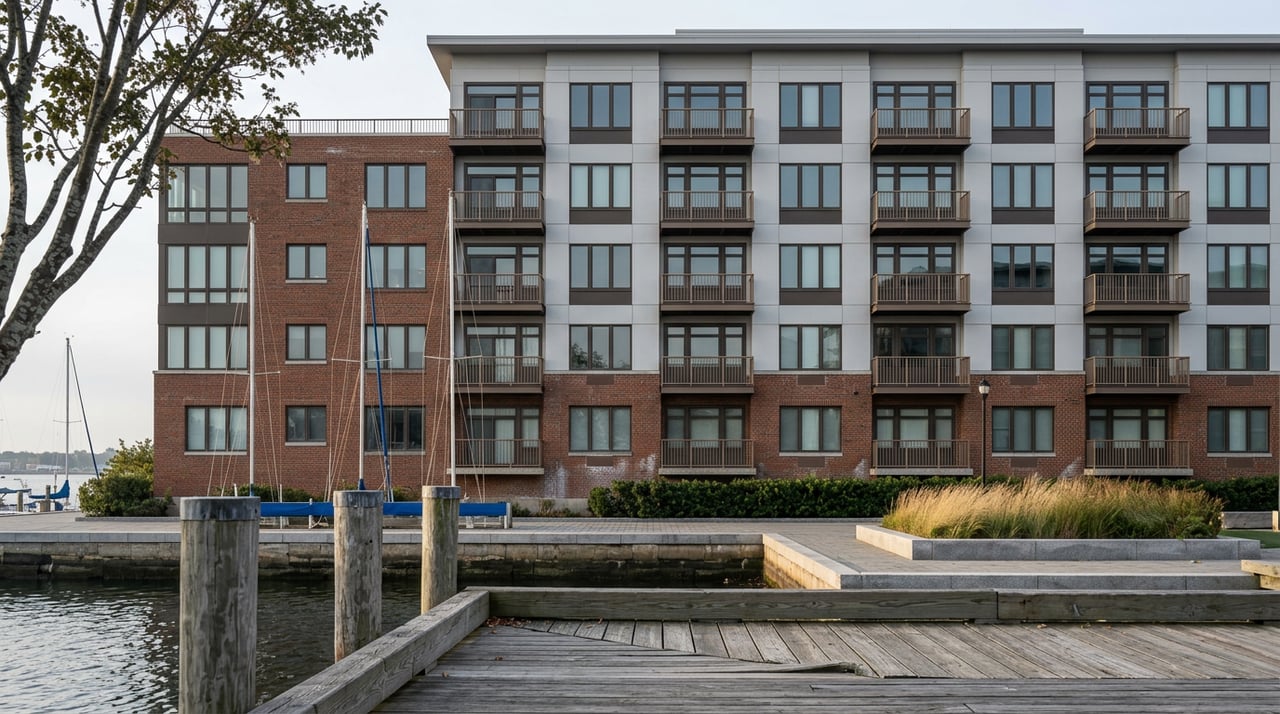
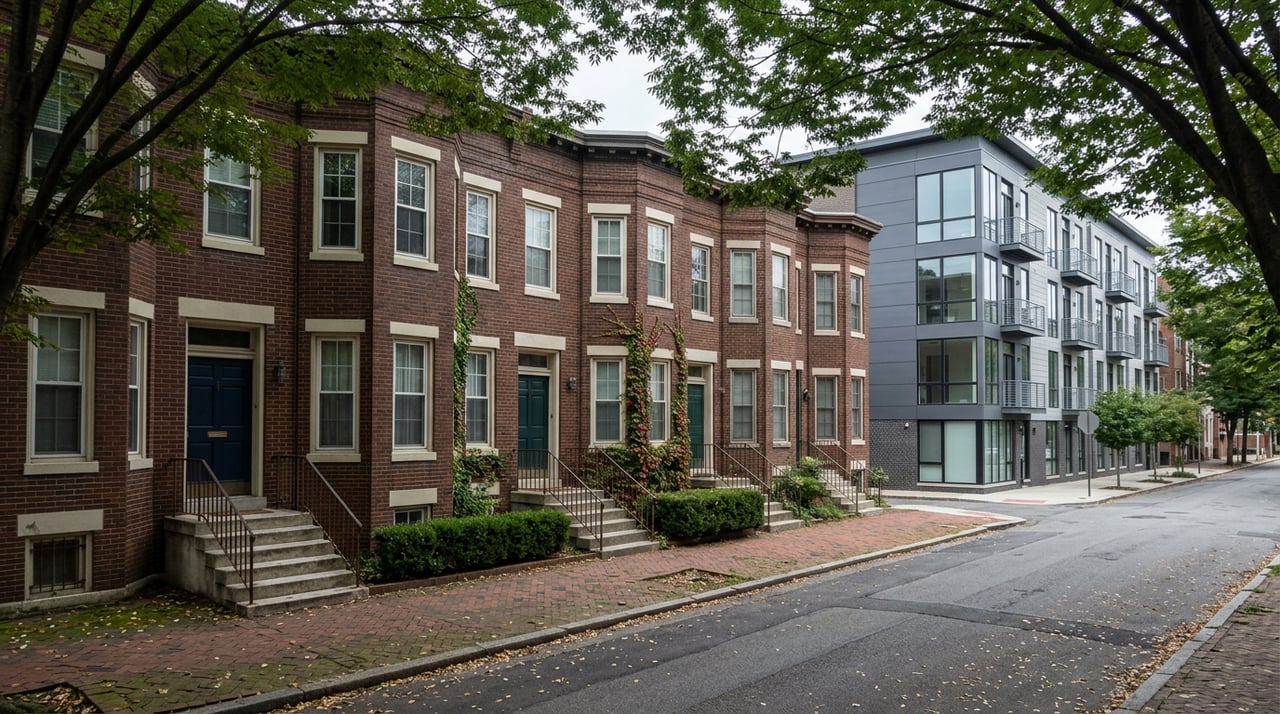
You’ll see a blend of older mid-rise brick buildings, classic towers, and select new projects. Some properties are conversions or rehabs with loft-style layouts, especially near Fort Point and fringe areas. Floor plans can lean traditional with defined rooms, though newer condos here often adopt open living spaces.
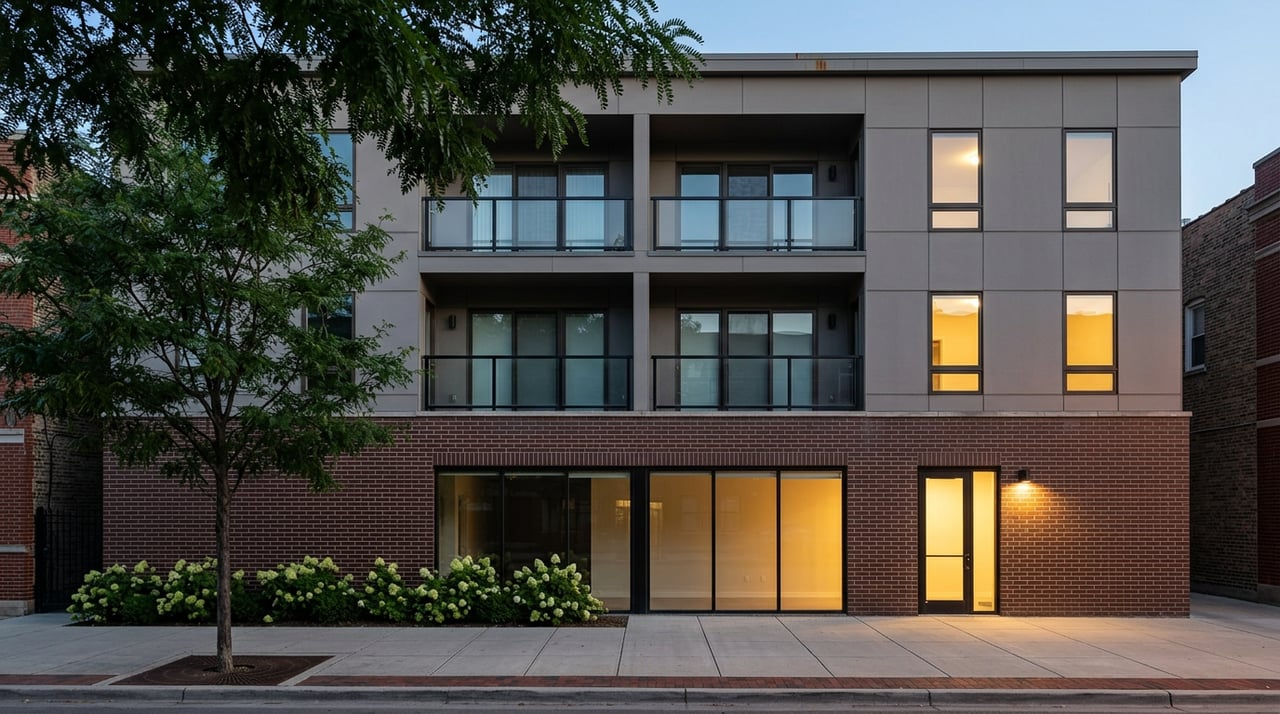
Most residential product is new construction from the 2000s through the 2020s. Expect floor-to-ceiling glass, open layouts, contemporary finishes, and a higher share of one-bedroom luxury units alongside large penthouses. Many buildings sit atop mixed-use podiums with retail, giving you services right downstairs.
Both areas offer luxury features at higher price points:
What differs is scale. In the Seaport, amenity footprints tend to be larger, with rooftop pools, spa-style facilities, expansive lobbies, delivery rooms, and EV charging. Many towers integrate on-site restaurants and retail. On the Waterfront, offerings vary: some older towers trade extensive amenities for location, while boutique buildings emphasize privacy and high-end finishes over large shared spaces.
Condominium fees usually rise with staffing and amenities. Newer Seaport towers often carry higher monthly fees tied to services and facilities. Older Waterfront buildings can show lower shared amenity costs but may have expenses related to older systems. Parking is a recurring cost in both areas, whether deeded or fee-based.
The Seaport feels urban, modern, and buzzy. Daytime brings office workers and convention traffic, and evenings add a lively scene around restaurants, bars, and events. Ongoing construction is part of daily life, and the streetscapes feel new and intentionally designed.
The Waterfront is more varied. Near attractions like the aquarium and the wharves, you’ll find a civic and touristic atmosphere. Move a few blocks, and some residential pockets feel quieter with marinas, HarborWalk access, and open views. It can be a calmer waterfront experience compared with the Seaport’s activity nodes.
Both areas offer high-end dining and harbor views, but the mix differs. The Seaport concentrates chef-driven restaurants, contemporary concepts, rooftop bars, and destination lounges, with frequent new openings. The Waterfront balances long-standing waterside restaurants and cafes with options that serve both residents and visitors. Cultural anchors vary by block, from Fort Point art studios to harbor attractions and event venues.
Seaport parks are newer and planned as part of redevelopment. You’ll find Fan Pier Park, Harborwalk segments, and other public spaces integrated with mixed-use blocks. The Waterfront delivers HarborWalk access and established open spaces like Christopher Columbus Park, plus close ties to ferry terminals and viewing areas. Some residences in both areas sit near marinas; private slip access can be available in select locations.
For public transit, the Silver Line links the Seaport to South Station for Red Line, commuter rail, and Amtrak connections. Depending on your block, you can walk to South Station or use nearby MBTA ferries for certain routes. Both neighborhoods support bike commuting with Bluebikes stations and bike lanes. If you drive, the Seaport offers quick access to I‑90 ramps, though traffic can spike during events. Waterfront streets are historic and narrower in places, but pedestrian access to downtown and the Financial District is excellent.
The Seaport’s new-construction pipeline has created substantial supply over the last decade, with many buildings achieving premium per-square-foot pricing due to modern finishes and deep amenity stacks. Resales can be active in well-located projects, with building reputation playing a meaningful role. Waterfront inventory is more heterogeneous, from landmark towers to boutique conversions with unique character. Regardless of location, review condominium governance, reserves, and recent capital projects to understand long-term costs and potential assessments.
Both neighborhoods sit on or near the harbor, so coastal flooding, sea-level rise, and storm surge are relevant. City planning has pushed resilience measures into new development, so many newer Seaport buildings feature elevated systems and flood-proofing. Older Waterfront buildings may rely on retrofits or ongoing upgrades. As a buyer, ask for flood-risk modeling, elevation information, building flood mitigation details, and any recent engineering reports. Lenders and insurers often factor flood exposure into underwriting and premiums.
Use this quick checklist to narrow your fit:
Choose the Seaport if you want a modern tower experience, comprehensive amenities, and a lively food-and-nightlife scene within a few blocks. Pick the Waterfront if you value classic harbor views, a mix of historic and boutique buildings, and proximity to downtown civic and cultural landmarks. Both areas deliver luxury living on the harbor; the right choice comes down to your daily priorities and the specifics of a given building.
Ready to compare buildings and floor plans side by side, including fees, reserves, and resilience features? Connect with The Residential Group to tour top options, review condo documents, and make a confident offer.
Stay up to date on the latest real estate trends.
The Residential Group at William Raveis Real Estate is a team of experienced agents, specializing in the sale of urban dwellings and new construction/renovation properties in Metropolitan Boston. They are consistently ranked among the top sales teams at William Raveis Real Estate and top teams in all of Massachusetts.
Get In Touch With Our Team To Learn More

27 Boylston Street, Suite #310 Chestnut Hill, MA 02467