Living In Bay Village: Boston’s Smallest Neighborhood
February 5, 2026
February 5, 2026
What if Boston’s most central life quietly unfolded on a few brick-lined blocks? If you love historic charm, walkable streets, and being minutes from dining and culture, Bay Village may fit your everyday rhythm. It is Boston’s smallest neighborhood, with a tight-knit feel in the heart of the city. In this guide, you’ll learn what it is like to live here, the housing you’ll find, practical trade-offs, and smart steps for shopping in this coveted pocket. Let’s dive in.
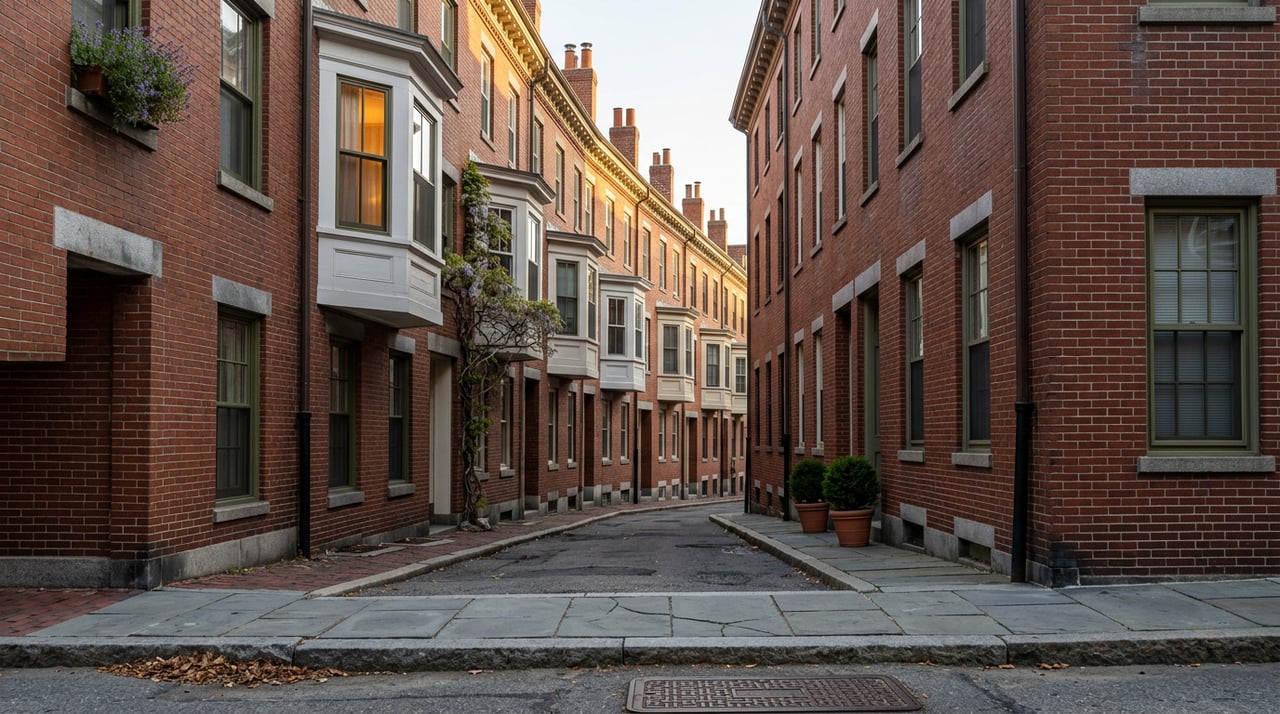
Bay Village sits between Back Bay, the South End, and the Theatre District. The footprint is compact, so you can cross the neighborhood in a few minutes. You feel the city’s energy on the edges, while interior streets feel residential and calm. It is a central base if you work or play in downtown Boston or Back Bay.
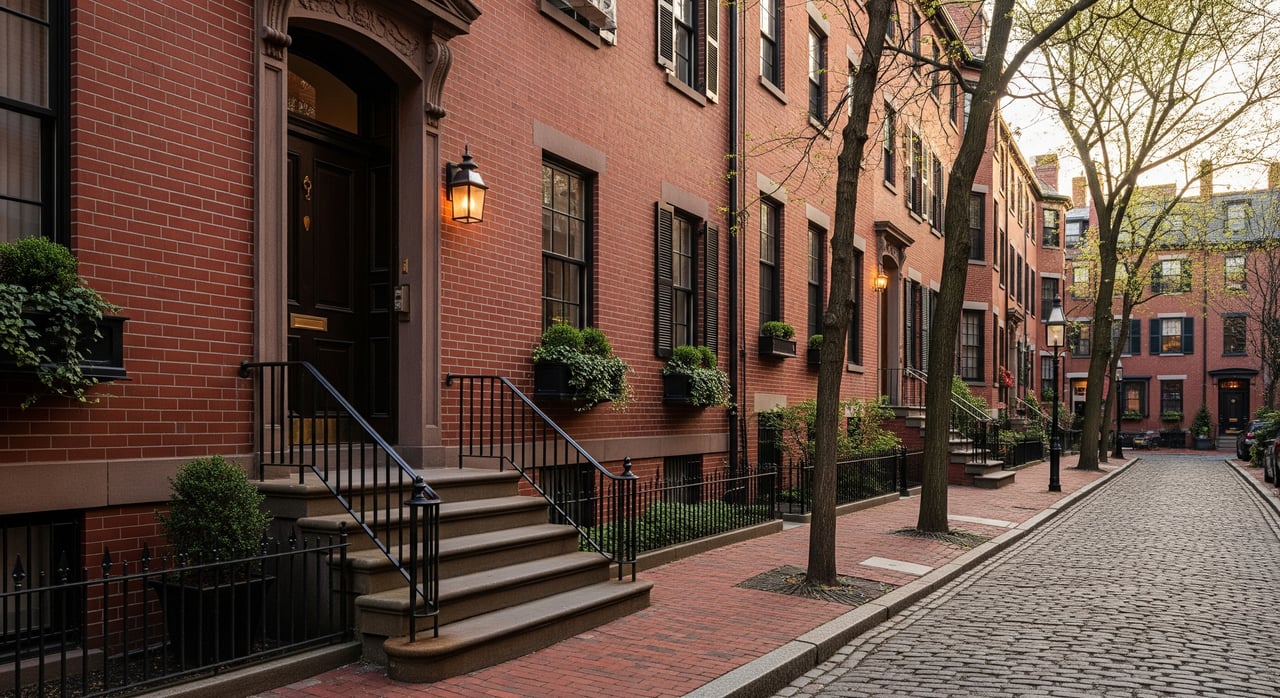
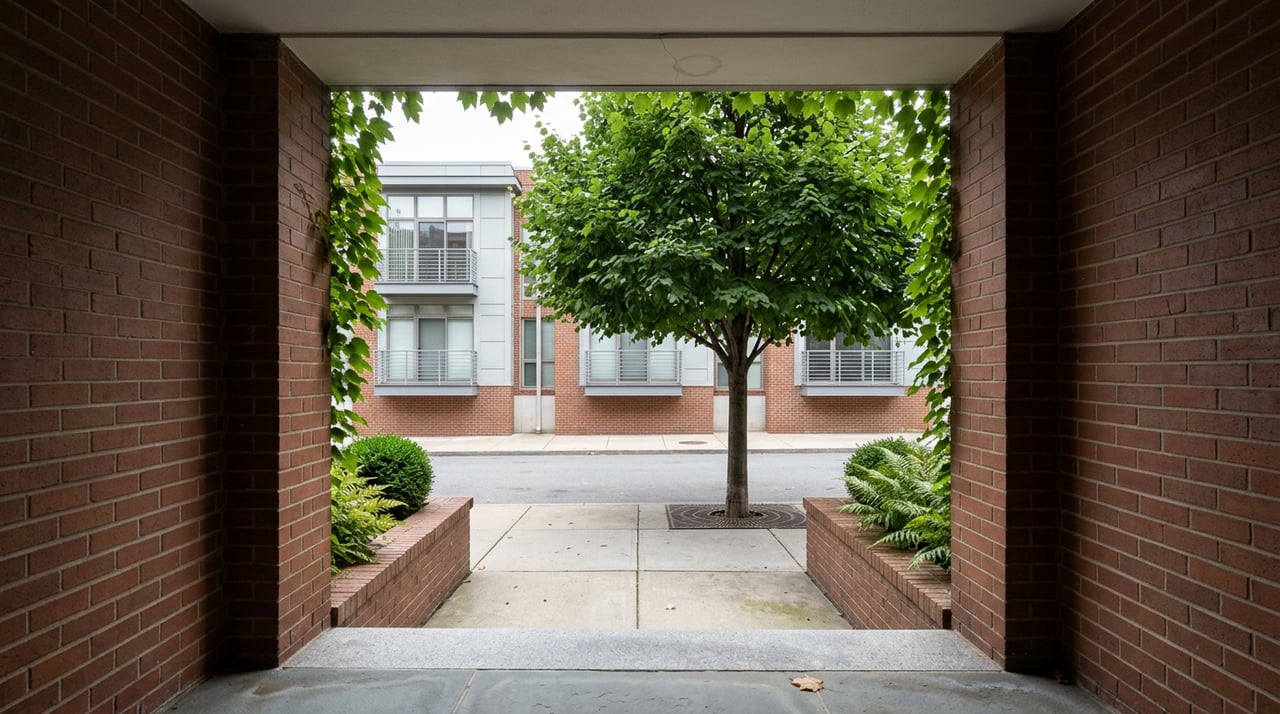
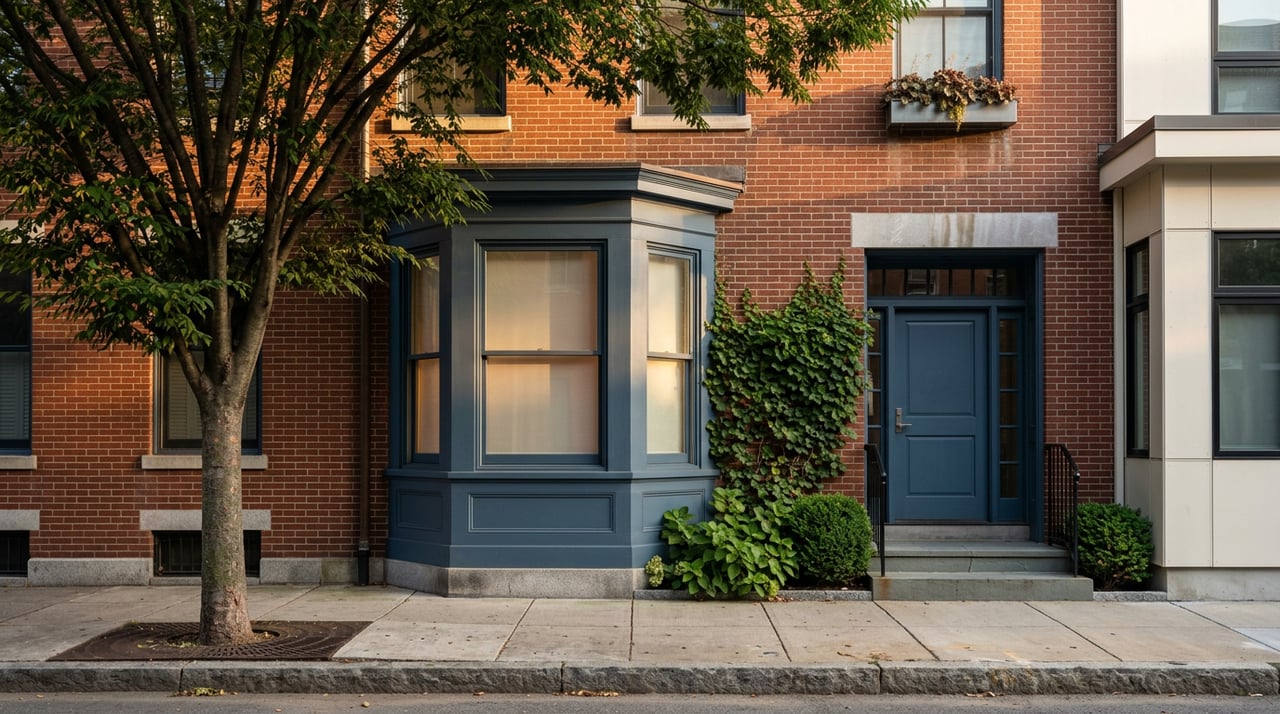
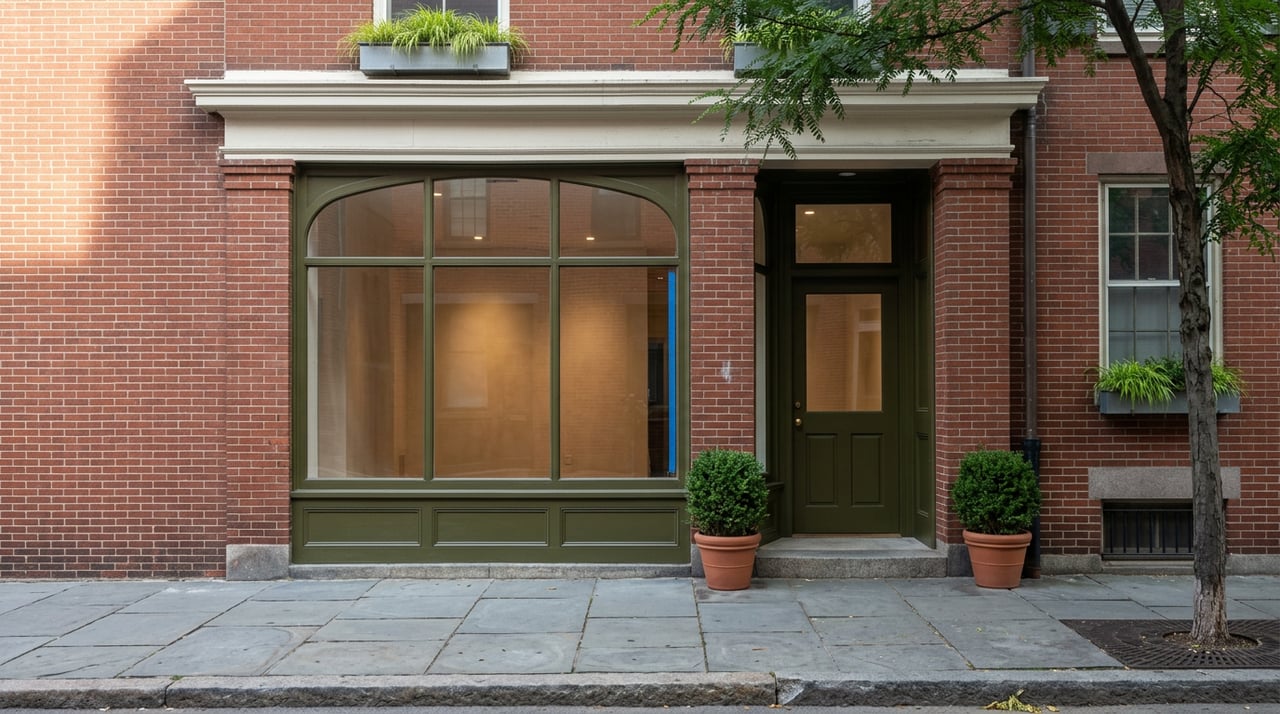
You notice the architecture first: brick rowhouses from the Federal and Greek Revival eras, narrow brick streets, and low-rise buildings. Many homes have stoops, sash windows, and period details that define the streetscape. The result is an intimate, walkable setting that feels different from larger, gridded districts nearby.
Much of Bay Village is protected by local historic guidelines. Exterior changes, such as window replacements or additions, may require review. You can review the city’s guidance on the Bay Village Architectural Conservation District to understand what projects may need approval. Historic stewardship keeps the neighborhood’s character intact while shaping what and how you can renovate.
Housing in Bay Village focuses on brick townhouses and small buildings, often converted into condominiums. You will see studios, one-bedrooms, and two-bedrooms most often, plus occasional three-bedroom townhomes. Many properties have been updated inside while keeping period elements like decorative mantels and wood floors.
Older buildings often predate elevators and central air. Stair access is common, and floorplans can be narrow compared with newer construction. Kitchens and baths are typically modernized, but finishes and layouts vary by building and conversion. If you need elevator access or step-free living, you will want to confirm specifics early in your search.
Limited supply and a prime location tend to push price per square foot higher than many outlying areas. That said, individual prices vary by condition, layout efficiency, natural light, and parking status. Deeded parking is rare and can add meaningful value when available.
Bay Village is highly walkable. Cafes, restaurants, theaters, and everyday services sit within a short stroll. You will find more extensive dining and shopping just beyond the neighborhood in Back Bay and the South End. Green space is limited inside Bay Village, but larger parks and formal open spaces nearby offer room to run, relax, or walk a dog.
You are a short walk to multiple MBTA subway lines and commuter rail options in adjacent districts. This makes commuting simple if you work downtown or in nearby employment centers. To plan routes and connections, start with the MBTA subway map.
On-street parking is limited and many buildings do not include dedicated spaces. Many residents use transit, rideshare, or lease spots in nearby garages. If you plan to keep a car, review the city’s resident parking permit rules and budget for potential garage fees.
Proximity to the Theatre District and central Boston brings energy and some evening activity. Interior streets tend to be quieter than nearby commercial corridors. If you are sensitive to noise, ask about window upgrades and building soundproofing during showings.
Large-scale new construction is uncommon within Bay Village due to its small size and preservation focus. Adjacent neighborhoods may see more activity, which can affect local amenities and streetscapes. To track nearby proposals and timelines, browse the BPDA development projects listings before you buy.
Buying in a small, historic neighborhood takes local insight and a clear plan. You benefit from an agent who understands condo conversions, association health, and what drives value in compact, architectural housing. Our team brings development-savvy guidance, polished marketing, and on-the-ground market knowledge across Boston’s urban core. When you are ready to tour, compare options, or position your home for sale, connect with The Residential Group. We will help you move with confidence.
Stay up to date on the latest real estate trends.
The Residential Group at William Raveis Real Estate is a team of experienced agents, specializing in the sale of urban dwellings and new construction/renovation properties in Metropolitan Boston. They are consistently ranked among the top sales teams at William Raveis Real Estate and top teams in all of Massachusetts.