Comparing South Boston and Seaport Condos for Buyers
April 16, 2026
April 16, 2026
Trying to choose between South Boston and Seaport for your first condo purchase? You are not alone. Both areas offer strong appeal for Boston buyers, but they deliver very different experiences when it comes to price, building style, monthly costs, and day-to-day living. If you are weighing value against amenities, this guide will help you compare the two more clearly so you can focus your search with confidence. Let’s dive in.
For most first-time condo buyers, the biggest difference is the entry point. Recent Redfin market data for South Boston shows a median sale price around $1.065M, while Seaport District pricing is notably higher. The exact number can vary by month and source, but the overall pattern is consistent: Seaport commands a premium.
Recent Realtor.com South Boston neighborhood data also supports that gap, showing South Boston at a lower listing price level than South Boston Waterfront and Seaport. For you as a buyer, that usually means South Boston offers more flexibility if you are trying to balance budget, square footage, parking, or bedroom count.
If you are buying your first condo, sticker price is only part of the equation. You also need to think about what your monthly payment gets you, and how much room you have for closing costs, reserves, and future repairs.
South Boston generally gives you a lower-cost entry than Seaport. It also tends to offer a broader active inventory and a lower price-per-square-foot profile based on recent market snapshots, which can matter more than the headline purchase price when you are comparing usable space.
Seaport, by contrast, is usually the higher-cost, newer-luxury option. That can be attractive if you want modern finishes and a full-service building experience, but it often comes with a higher all-in monthly cost.
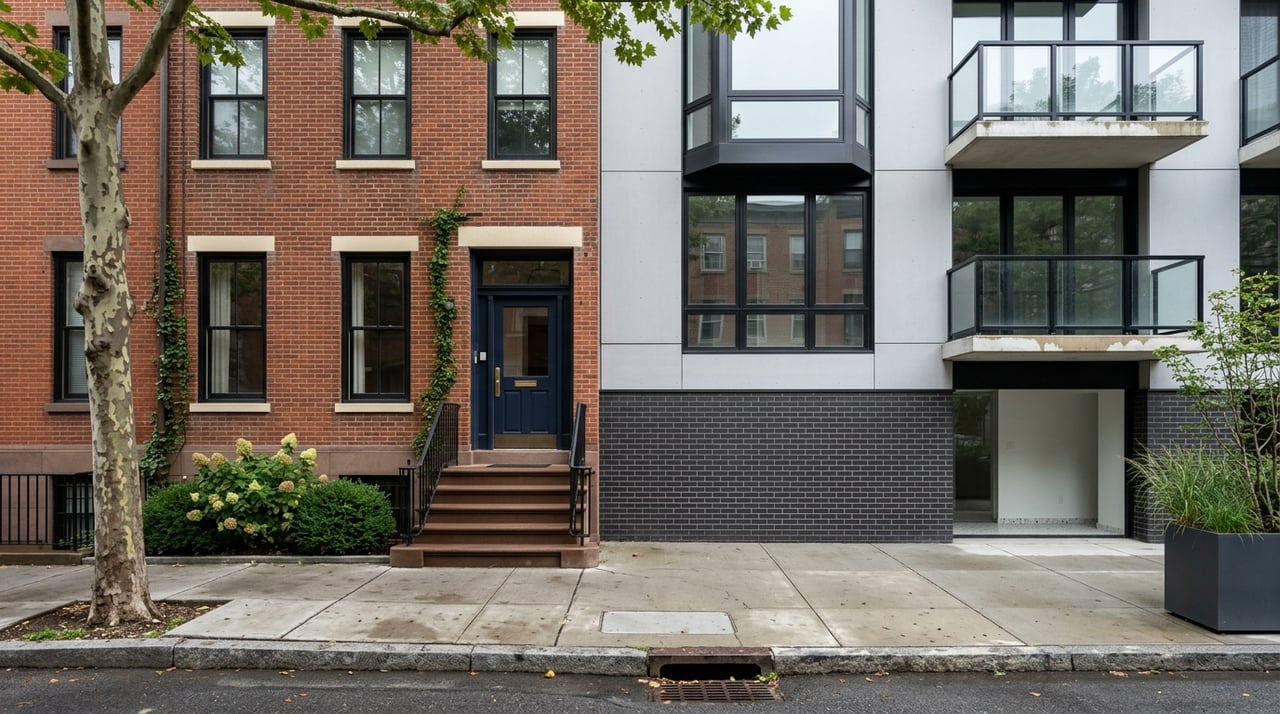
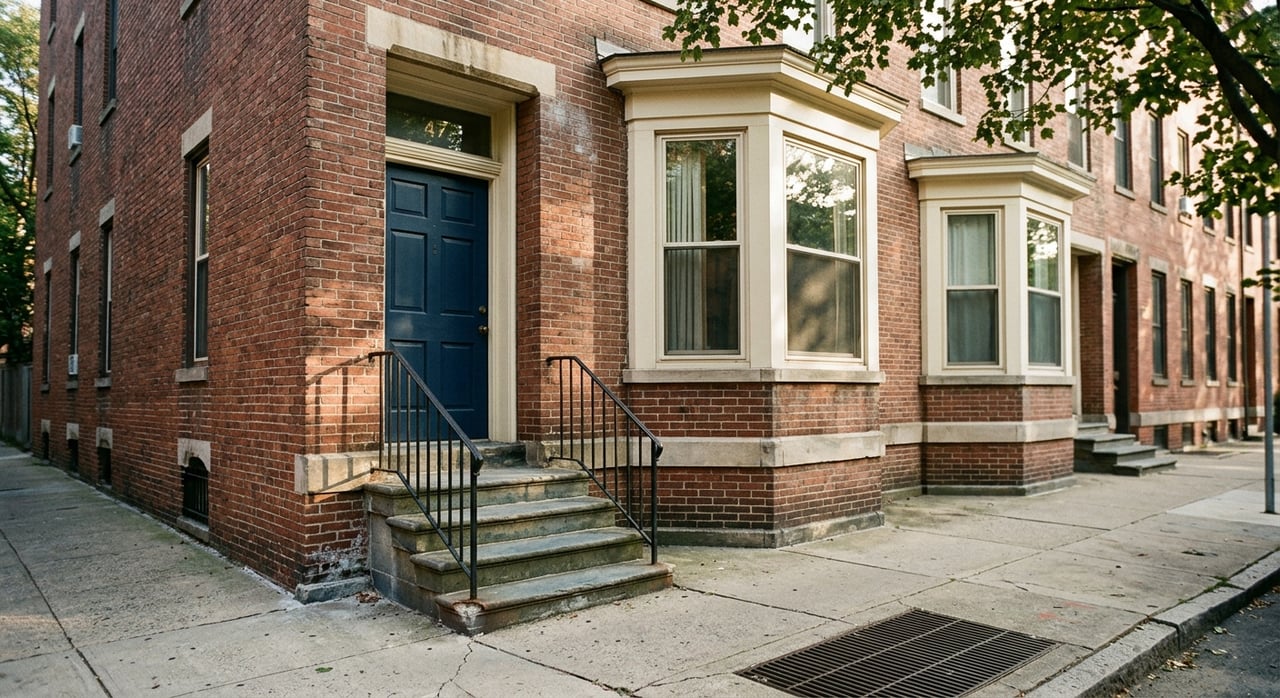
South Boston is defined by older neighborhood housing. According to the City of Boston’s neighborhood study materials, the area is dominated by triple-deckers and attached rowhouses, with detached homes much less common.
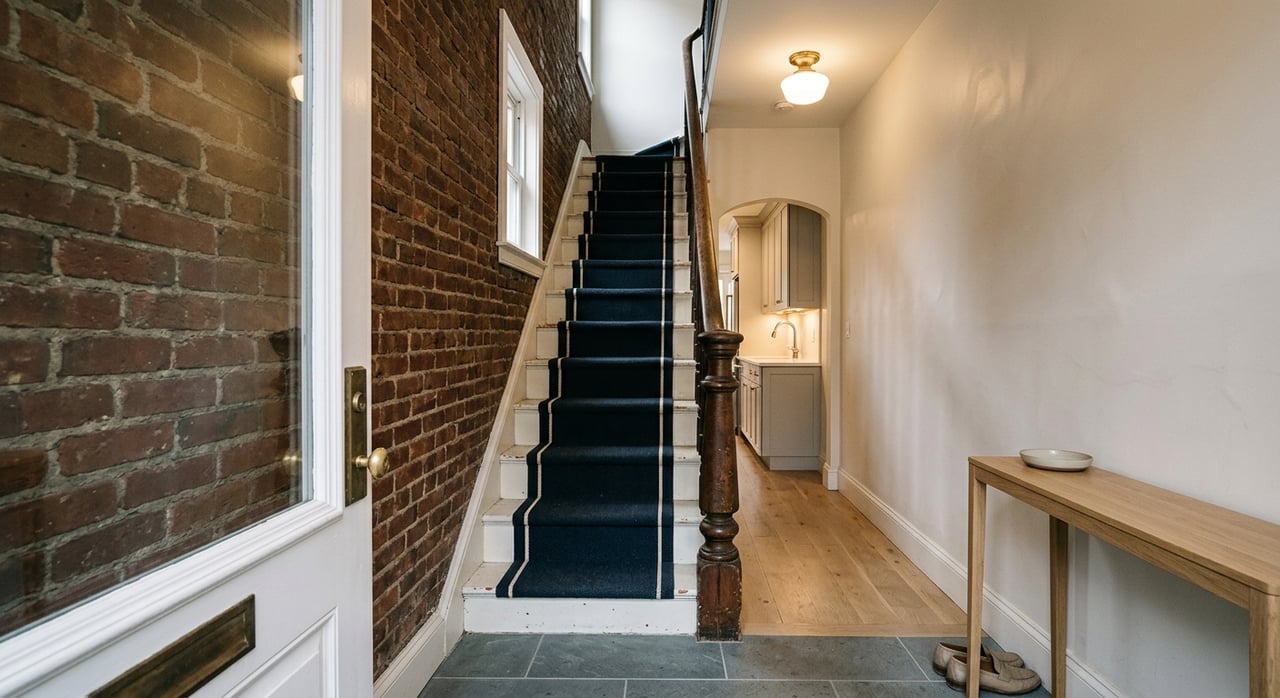
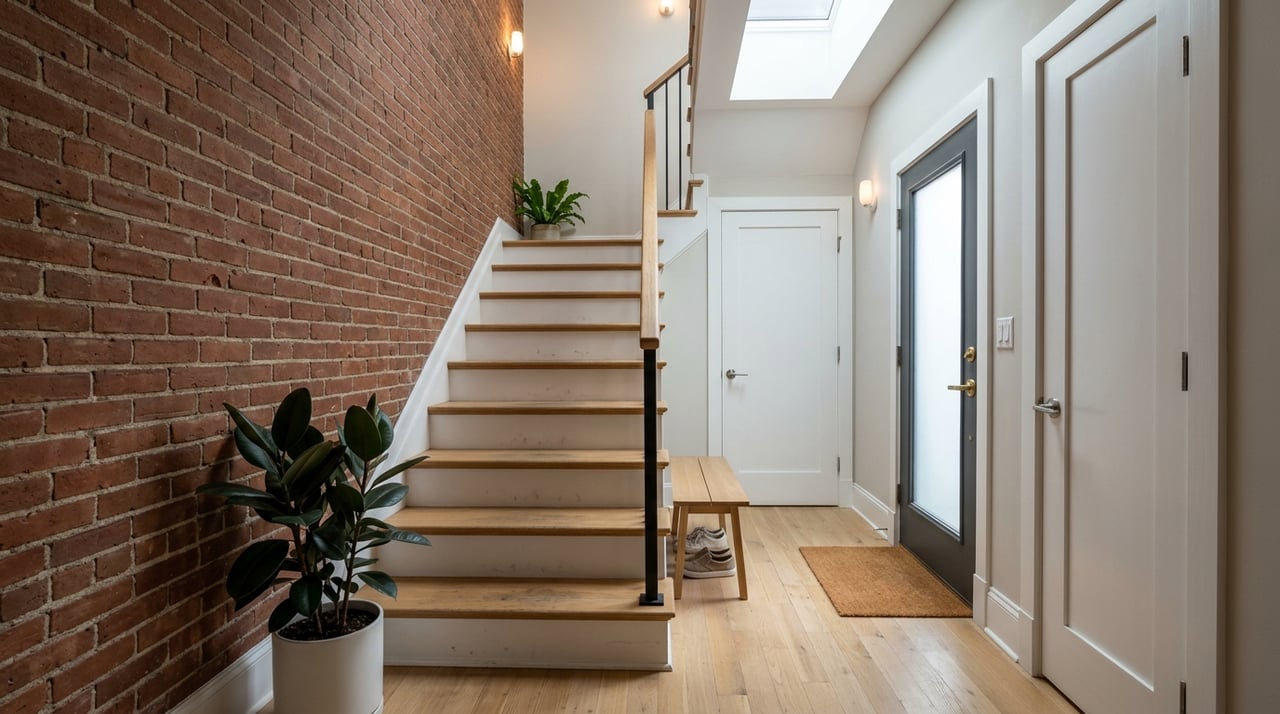
For you, that often translates to condo conversions, smaller walk-up buildings, and homes with more architectural character. Recent sold listings in South Boston on Redfin reflect that pattern, with units in smaller residential buildings rather than large amenity towers.
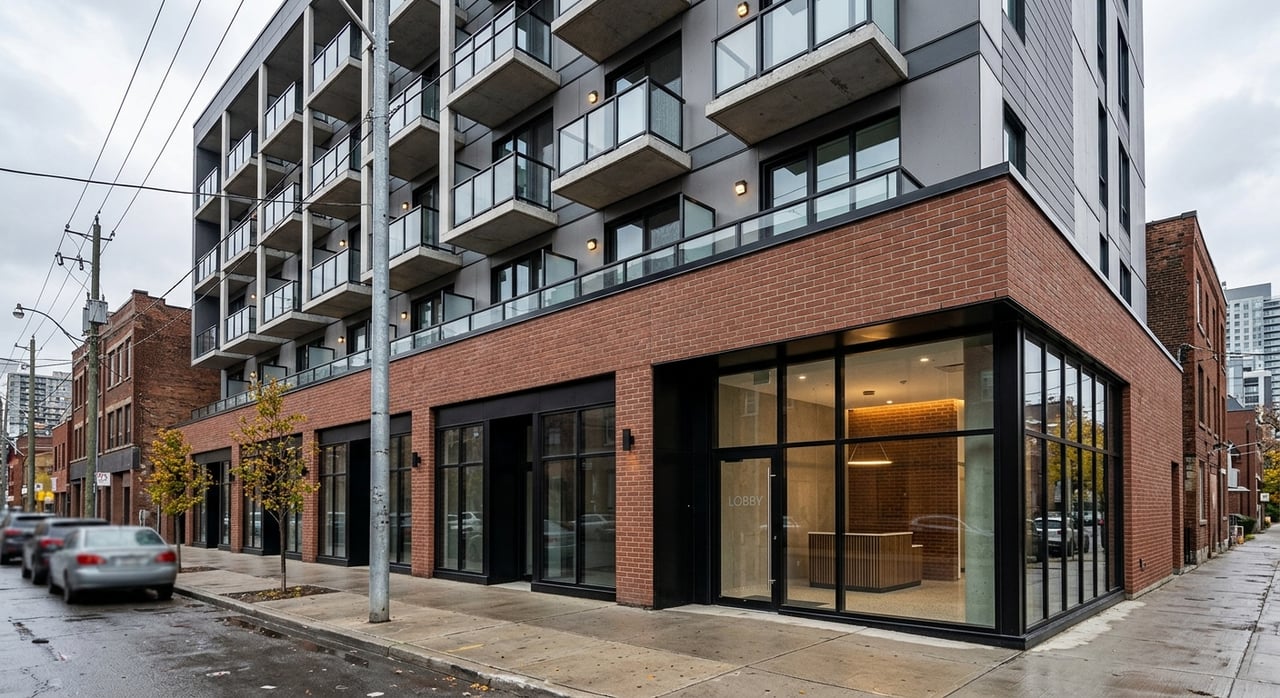
Seaport offers a very different housing experience. The Seaport Square plan from the Boston Planning & Development Agency described a major mixed-use district with 20 new urban blocks, 22 new buildings, and about 2,500 homes.
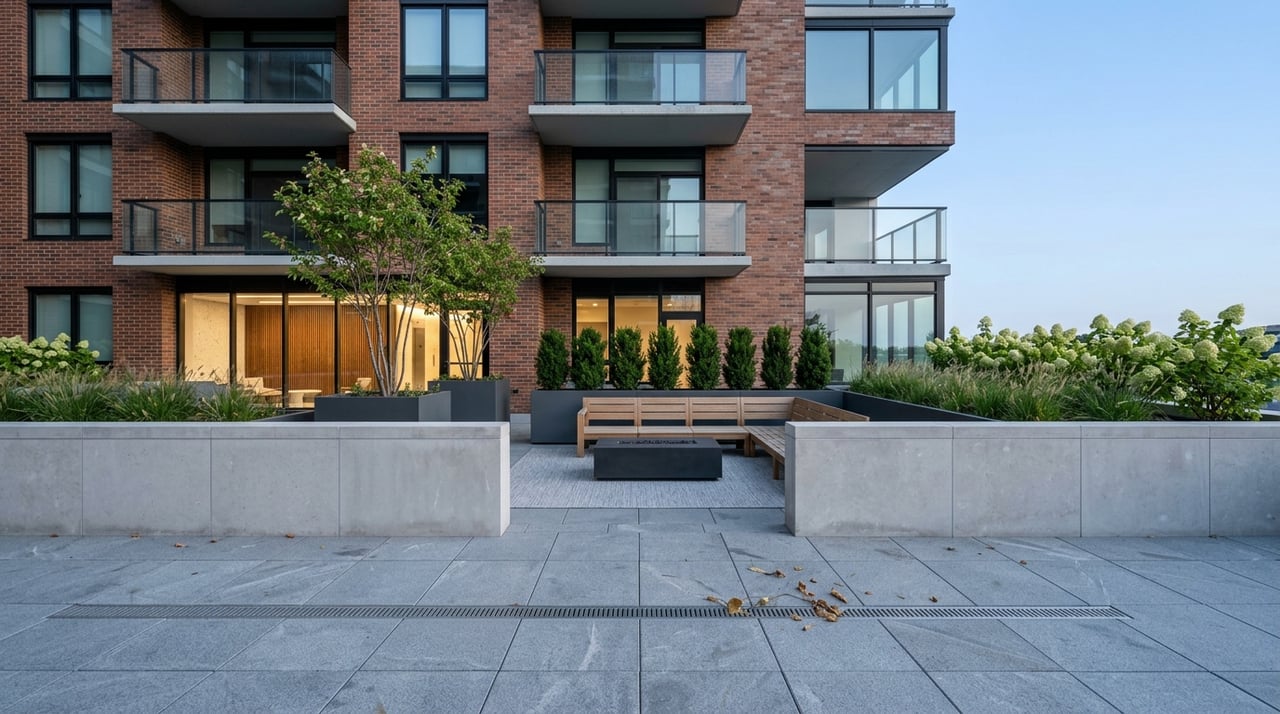
Today, that newer development pattern shows up in luxury-oriented buildings and newer construction inventory. Current Seaport listings on Redfin include buildings such as 50 Liberty and 22 Liberty, along with units on Seaport Boulevard that often feature garages, balconies, pools, and elevator access.
For a first-time buyer, this may be the most important practical difference between the two areas. In South Boston, a smaller building or condo conversion may have more limited shared amenities, but that can also mean a simpler HOA structure.
In Seaport, the mortgage is only one piece of the carrying cost. Based on recent Seaport District listing activity on Redfin, some buildings come with HOA fees that can climb well into the thousands per month, especially where amenities and building operations are extensive.
That does not automatically make Seaport a poor choice. It just means you should compare total monthly cost, not just purchase price. As Realtor.com notes in its neighborhood overview, buyers should budget for taxes, insurance, HOA fees, and maintenance alongside the mortgage.
If your commute depends heavily on the Red Line, South Boston has a clear advantage. The South Boston Transportation Action Plan highlights improvements tied to Broadway and Andrew Stations, along with bus service upgrades and better connections along key corridors.
That can make South Boston appealing if you want a more traditional neighborhood setting with straightforward transit access built into your daily routine.
Seaport works differently. The South Boston Seaport Strategic Transit Plan points to a broader mix of transit options, including the Red and Silver Lines, MBTA buses, water ferries, biking, walking, ride-share, and bike-share.
According to Boston University’s Fort Point and Seaport guide referenced in the research, South Station serves as a key access point for the district, and some destinations are a short walk from Silver Line stops or a longer walk from South Station. If you like having multiple ways to get around, that flexibility may appeal to you.
South Boston tends to feel more like an established city neighborhood. WBUR’s local guide describes a mix of beaches, parks, pubs, and a daily rhythm that is calmer than its nightlife reputation might suggest.
If you are looking for a place that feels rooted in Boston’s older urban fabric, South Boston may line up better with your priorities. You may also find that the housing stock and street pattern feel more residential in a traditional sense.
Seaport feels more curated and newer by design. The area is known for Harborwalk access, destination dining, and entertainment venues such as the ICA, Alamo Drafthouse, Grace by Nia, Flight Club, and Harpoon Brewery, as highlighted in the research.
If you want a polished, modern environment with newer buildings and a waterfront setting, Seaport may be the better fit. For some buyers, that convenience and building experience are worth the premium.
Buying your first condo is not just about today. It is also about flexibility, resale potential, and how the property fits your plans over the next several years.
Seaport has benefited from major public and private investment, and the area has become an important tax generator for the city. That scale of development has helped define its identity as one of Boston’s newer luxury districts.
At the same time, climate risk is part of the long-term conversation. The research notes that a significant share of Seaport development faces flood exposure risk by mid-century, while the City of Boston continues waterfront resilience planning.
South Boston also has coastal exposure. The City’s Coastal Resilience Solutions for South Boston includes planning from Fort Point Channel to Moakley Park, so resilience is relevant in both locations.
For first-time buyers, the key takeaway is simple. South Boston may offer a wider buyer pool at resale because of its lower entry point and broader mix of housing, while Seaport may appeal more strongly to buyers who specifically want newer luxury product. Neither path guarantees future appreciation, but your budget and intended hold period should shape the decision.
If you are still deciding, this quick framework can help.
When you tour condos in either area, compare more than finishes and location. Ask how the building works, what the monthly fees include, how reserves are structured, and what your real carrying costs will look like after closing.
It also helps to compare the tradeoff directly:
| Factor | South Boston | Seaport |
|---|---|---|
| Entry price | Lower relative entry point | Higher premium pricing |
| Housing style | Triple-deckers, rowhouses, condo conversions | Newer towers and luxury buildings |
| Amenities | Often more limited | Often more extensive |
| HOA fees | Typically simpler structure | Can be significantly higher |
| Transit pattern | Strong Red Line access | Multi-modal access including Silver Line and ferries |
| Lifestyle feel | Established neighborhood | Newer waterfront district |
The best first condo is not the one with the flashiest lobby. It is the one that supports your monthly budget, commute, and next move with the least friction.
If you want help comparing South Boston and Seaport condos with a clear eye on pricing, building type, and long-term fit, The Residential Group can help you evaluate the options and move forward with confidence.
Stay up to date on the latest real estate trends.
The Residential Group at William Raveis Real Estate is a team of experienced agents, specializing in the sale of urban dwellings and new construction/renovation properties in Metropolitan Boston. They are consistently ranked among the top sales teams at William Raveis Real Estate and top teams in all of Massachusetts.