Thinking about buying a small multifamily in Boston but not sure where to start? Dorchester’s classic triple-deckers give you three units, neighborhood scale, and multiple exit paths in one purchase. If you want cash flow potential with real long-term upside, this is a practical entry point. In this guide, you’ll learn what you’re buying, how to underwrite it, where micro-locations matter most, and which rules and financing options shape your plan. Let’s dive in.
What you’re buying: the triple-decker
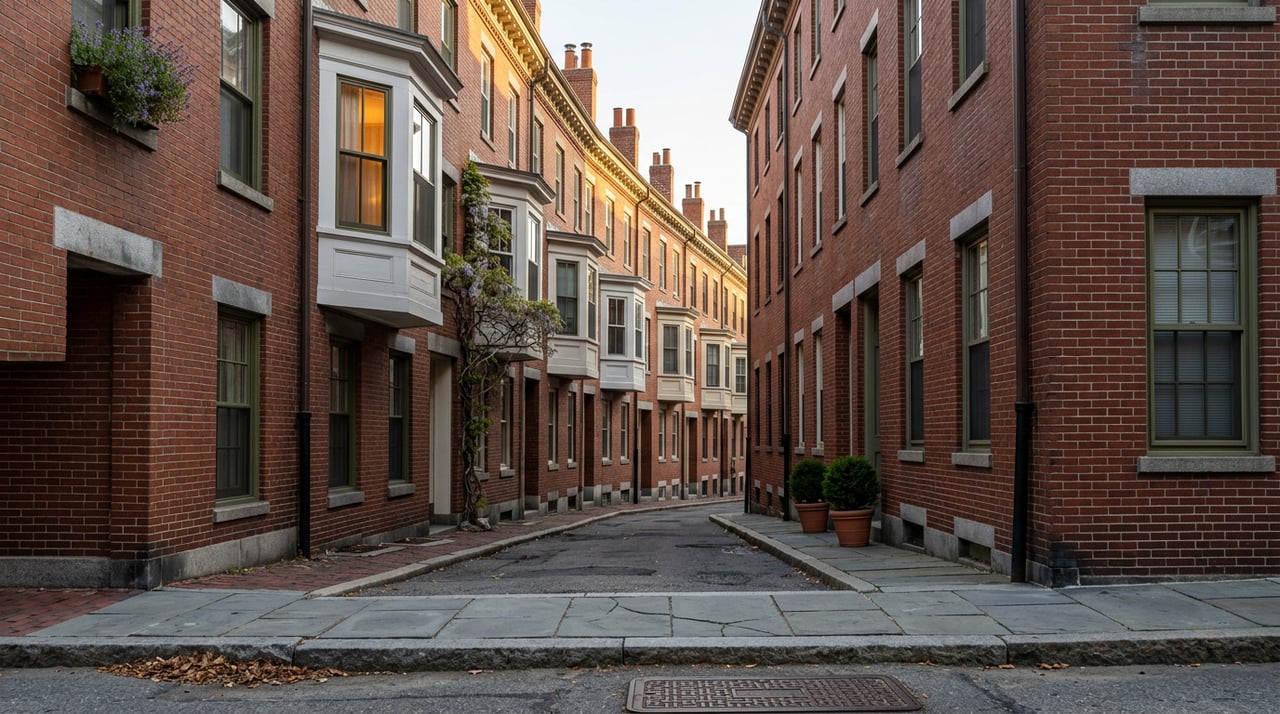
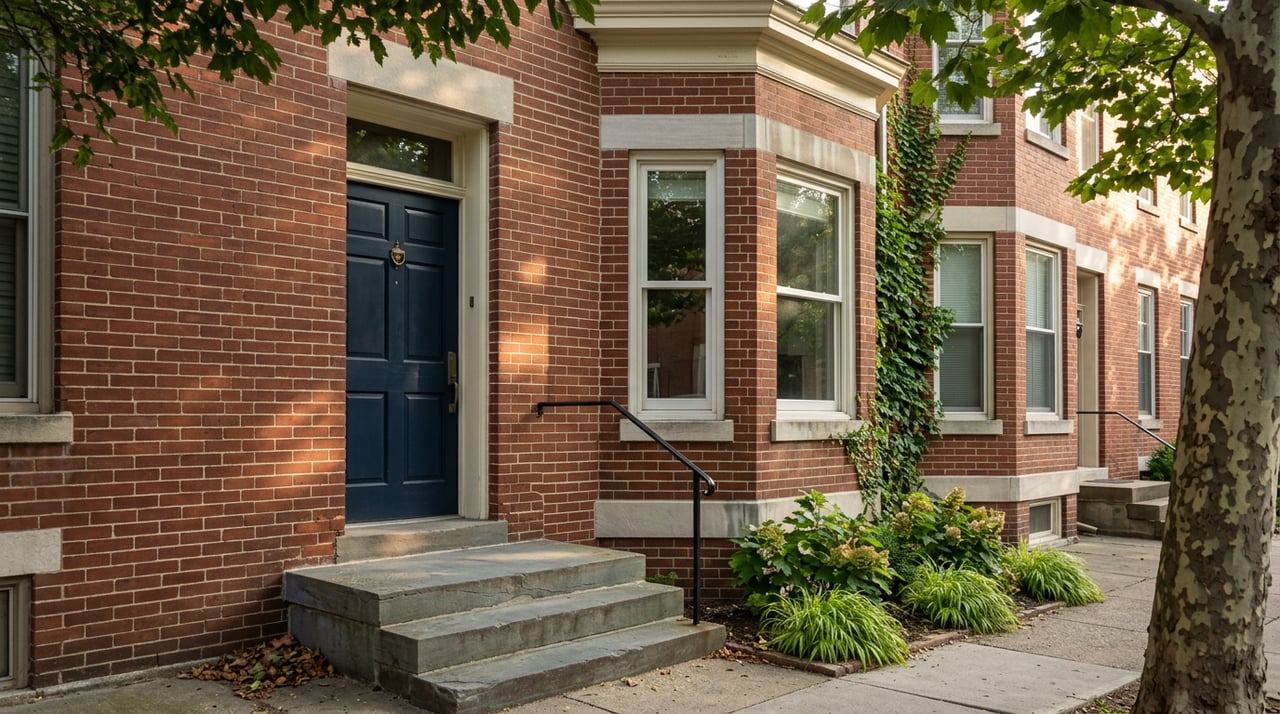
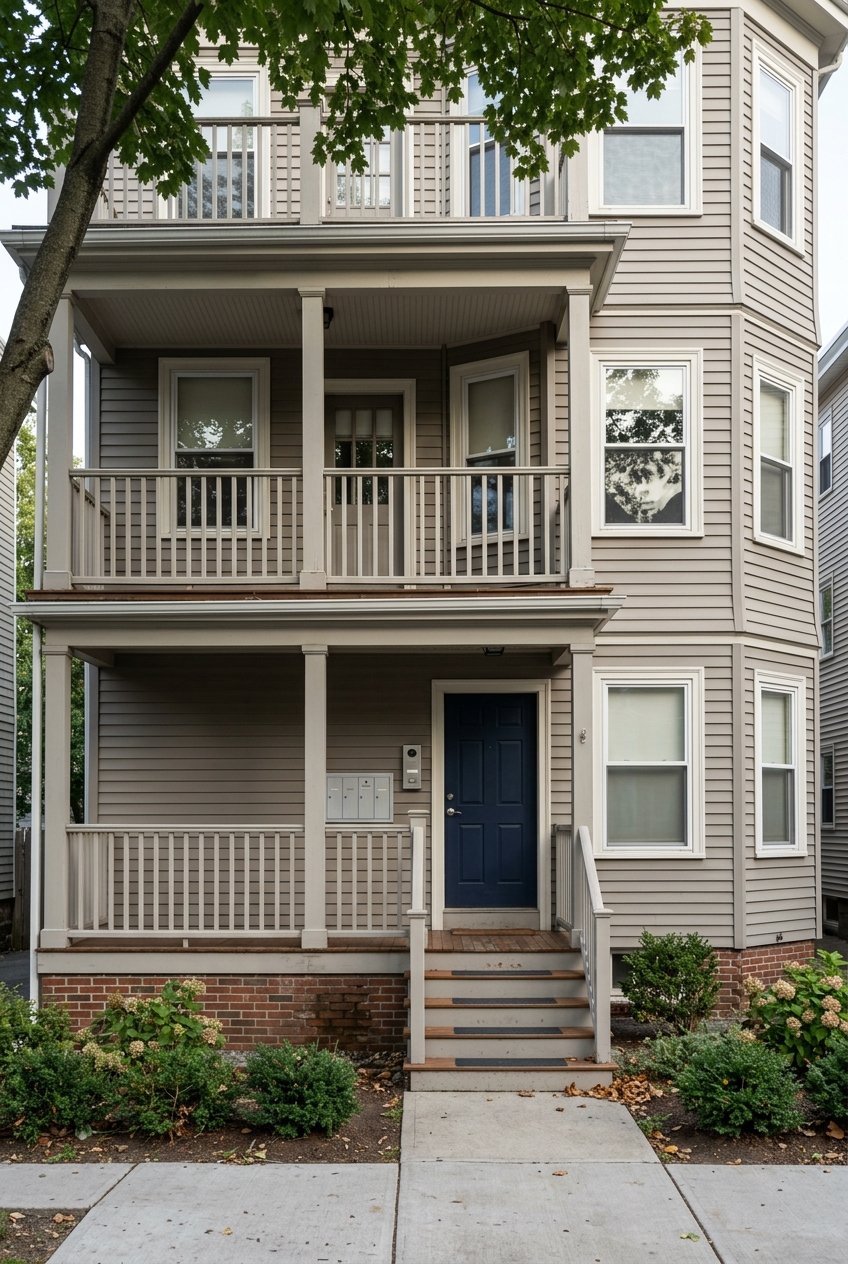
Boston’s triple-deckers are three-story, three-unit, wood-frame buildings with one apartment per floor. Many date to 1880–1930 and line Dorchester’s streetcar-era blocks. For a quick primer on form and history, see this overview from the Boston Preservation Alliance on the short history of Boston’s triple-deckers.
Key physical traits to expect:
- Stacked floor plans with front or side porches and vertically aligned kitchens and baths.
- Flat or low-slope roofs and wood exterior systems.
- Older mechanicals are common. You may encounter dated electrical panels, aging boilers, porch repairs, and windows nearing end of life. The Lincoln Institute notes recurring capital needs are typical in this housing type, which is why early inspection and contractor quotes are essential.
Operating realities to plan for:
- Ownership models vary. You can live in one unit and rent two, lease all three units as an investor, or plan a future condo conversion. Each path has different financing and regulatory implications.
- Boston requires annual rental registration and periodic inspection. You must register each year and expect at least one inspection every five years. Review registration status and any open violations before you close by checking the City of Boston’s rental registration guidance.
- Pre-1978 buildings may have lead paint, and older homes can include knob-and-tube wiring or asbestos in some elements. Budget time and money for proper testing and compliance when units are occupied.
How the numbers pencil in Dorchester
Triple-deckers in Dorchester often trade at yields that can be more attractive than larger institutional assets. Your job is to use local comps, price the micro-location correctly, and stress test your underwriting.
Rents: what to expect
Dorchester’s asking rents sit below core Boston averages, but there is wide variation by unit size, finish, and distance to the Red Line. In practice, renovated 2–3 bedroom units within a short walk of Red Line stations like Savin Hill or Ashmont can list well above neighborhood averages, while similar homes farther from transit tend to command lower rents. Underwrite to nearby active comps with the same bed count and finish. Then stress your rent assumptions by 5 to 10 percent to reflect market noise.
Cap rates and pricing
Across Greater Boston, larger institutional multifamily often trades at compressed cap rates in the mid single digits. By contrast, small 2–4 unit product in Dorchester frequently markets at mid to high single-digit asking cap rates depending on condition and submarket. Treat any advertised yield as a starting point. Verify with your own rent comps and a conservative expense load.
Local underwriting guardrails
Use these simple heuristics many local investors apply to older triple-deckers:
- Vacancy and credit loss: 5 to 8 percent baseline, with a higher figure for riskier assumptions.
- Expense ratio: 40 to 60 percent of gross rent for older wood-frame stock, higher if you pay heat or hot water.
- Capital reserves: start with 1,000 to 3,000 dollars per unit per year for roofs, porches, boilers, windows, and code items.
Micro-location and the transit effect
In Dorchester, a 5 to 10 minute walk can change your rent profile, your lease-up speed, and your exit value. Proximity to the Red Line at Savin Hill and Ashmont tends to support stronger demand and asking rents. The Boston Globe’s coverage of this corridor highlights how station-adjacent areas draw commuter interest, which aligns with local leasing patterns.
There is also a national evidence base for rail-access premiums. A transportation research review from the National Academies reports that Boston-area properties near transit have shown measurable price effects in several studies. In your underwriting, compare recent nearby listings within a short walk of the station against those several blocks out. Use that spread to set rents and to gauge how buyers might price your building later.
Regulatory must-knows in Boston
Before you write an offer, map the rules to your plan. Boston has clear landlord requirements and strong tenant protections around condo conversion.
- Rental registration and inspection. Owners must register annually and properties are inspected on a regular cycle. Learn the process on the City’s rental registration page and confirm a seller’s compliance and violation history during diligence.
- State condo law. Massachusetts condo ownership and conversions operate under Chapter 183A. The state framework sets the legal baseline for creating condo documents and governing associations.
- Boston’s local protections. Boston layers additional tenant protections over state law. A 2017 ordinance update extended notice periods, required relocation assistance, and capped rent increases during the notice period in certain cases. Review the City’s announcement outlining these protections.
- Tenant notice and relocation. In practice, Boston’s rules can create multi-year timelines for protected tenants and require relocation stipends. Some tenants may have a right of first refusal. See a plain-language overview of tenant protections and the practical effect on timelines at Massachusetts Legal Help.
If condo conversion is in your playbook, the protections above are not just legal points. They can add real time and cost to your exit. Build those into your schedule and pro forma early.
Financing your entry
Your capital stack should match how you plan to use the property.
- Owner-occupant FHA 1–4 unit. FHA allows as little as 3.5 percent down when you occupy one unit. If you are buying a building that needs work, the FHA 203(k) program can combine purchase and renovation into one loan. Review the HUD overview of the FHA 203(k) program and confirm current loan limits for Suffolk County with your lender.
- Conventional and portfolio loans. These are common for buyers with larger down payments. Lenders will underwrite the rental income and your personal profile under program rules.
- DSCR investor loans. Many investors use Debt Service Coverage Ratio programs that size the loan to the building’s income rather than your personal DTI. Terms and DSCR thresholds vary by lender. This DSCR primer is a useful starting reference.
No matter the loan, model your interest rate range and re-run cash flow with rents down 5 to 10 percent and expenses up 5 percentage points. If the deal still works, you have more cushion.
Step-by-step: your entry plan
Use this simple roadmap from first search to close.
- Define the box
- Target unit mix and finish: 2–3 bed floor plans are the workhorses in Dorchester. Decide if you want turnkey, light value-add, or heavier rehab.
- Micro-locations: pick a few walk-sheds around Red Line stops if you want faster lease-ups, or price-sensitive pockets if you are yield driven.
- Pre-underwrite quickly
- Pull three to five nearby active or recent rental comps that match bed count and finish level. Set conservative market rents and stress them by 5 to 10 percent.
- Use a vacancy factor of 5 to 8 percent and a 40 to 60 percent expense ratio for older stock. Add capital reserves per unit.
- Walk the building and budget capex
- Get a full inspection, with special focus on roofing, porches, windows, boilers, electrical, and any signs of moisture.
- For pre-1978 homes, plan for lead-paint compliance steps if units are occupied.
- Secure written contractor quotes for immediate and 12–24 month items.
- Verify compliance and paperwork
- Confirm legal unit count and permitted living areas. Be cautious with any basement or attic space described as finished.
- Check Boston’s rental registration status and inspection history through the City’s program page.
- Review leases, rent roll, and proof of payment. Note expiration dates and any rent caps during conversion notice periods.
- Align the exit to the rules
- Long-term rental hold: keep capex modest, prioritize system reliability, and bank on gradual rent growth.
- Sell to an owner-occupant investor: focus on clean building systems and presentable common areas.
- Consider condo conversion later: engage counsel early on Chapter 183A and Boston’s local protections. Budget for notice and relocation requirements, legal document prep, master insurance during sales, and higher finish costs to meet buyer expectations. Start with the state guidance on condominium governance and conversion.
Hold vs. condo conversion
Both paths can work in Dorchester. The right choice depends on your basis, tenant mix, timeline, and market conditions.
Pros of condo conversion:
- You may unlock higher total value by selling three individual units rather than one building.
- You simplify operations after sellout.
- In stronger sales markets, you might realize your gains sooner.
Cons of condo conversion:
- Boston’s tenant protections can raise costs and extend timelines.
- You carry master insurance and fees on unsold units.
- Renovation standards for the sales market are often higher than what you need for durable rentals.
For background on how triple-deckers function in Boston’s housing ecosystem and why they remain important, the Lincoln Institute offers helpful context on this building type.
Simple example framework
Here is a basic way to frame a potential Dorchester three-family near the Red Line:
- Acquisition: Older wood-frame three-decker with typical porches and a low-slope roof. One unit updated, two dated.
- Rents: Underwrite the updated unit at local comp levels, with the dated units discounted. Apply a 5 to 10 percent rent stress test.
- Expenses: Use a mid-range expense ratio given building age, with higher utilities if you cover heat or hot water. Add a healthy annual reserve for porches, roof, and boiler lifecycle.
- Debt: Compare an owner-occupant FHA scenario to a DSCR investor loan if you are not occupying. Price both at today’s interest rates and re-test at a higher rate.
- Exit: A) long-term rental hold, B) sell to an owner-occupant investor after light rehab, or C) plan a staged condo conversion after mapping Boston notice and relocation requirements under Chapter 183A and the City’s 2017 update. Add legal, notice, relocation, and carry costs to your pro forma if you pursue C.
If the deal makes sense under your stressed assumptions and at least two exit paths pencil, you have a more resilient entry.
Work with a partner who knows Dorchester
Dorchester’s triple-deckers reward clear underwriting, tight micro-location choices, and respect for Boston’s rules. If you want a seasoned team that blends investor fluency, development know-how, and polished marketing, connect with The Residential Group. We help you source, model, and execute your entry or repositioning plan, then support your exit strategy when the time is right.
Ready to find the right building and build your plan? Start the conversation with The Residential Group.
FAQs
What is a Boston triple-decker and why does it matter to investors?
- It is a three-story, three-unit, wood-frame building common in Dorchester. The stacked design, unit count, and neighborhood scale create flexible financing and exit options. For history and form, see the Boston Preservation Alliance’s overview of triple-deckers.
Does Boston require annual rental registration for a three-family?
- Yes. You must register annually and properties are inspected on a regular cycle. Review steps and timelines on the City of Boston’s rental registration and inspection page.
How does proximity to the Red Line affect Dorchester rents and values?
- Units in walk-to-station areas like Savin Hill and Ashmont often lease faster and at higher asking rents than those farther out. A National Academies review of transit-oriented development research documents measurable rail-access price effects in the Boston area.
What should I include in a Dorchester triple-decker due diligence checklist?
- Verify legal unit count and permits, confirm Boston rental registration status, review leases and rent roll, get a thorough building inspection, price near-term capex, and model a rent and expense stress test.
What is the legal framework for condo conversions in Boston?
- Massachusetts Chapter 183A governs condos at the state level. Boston adds local tenant protections, including extended notice and relocation assistance, as outlined in the City’s 2017 ordinance update. For a plain-language summary of tenant protections, see Massachusetts Legal Help.
Which financing options work for a first-time three-family buyer in Dorchester?
- Many owner-occupants use FHA with as little as 3.5 percent down, including FHA 203(k) for purchase plus rehab. Investors often use DSCR loans sized to building income. Start with HUD’s FHA 203(k) overview and a DSCR primer to compare paths.