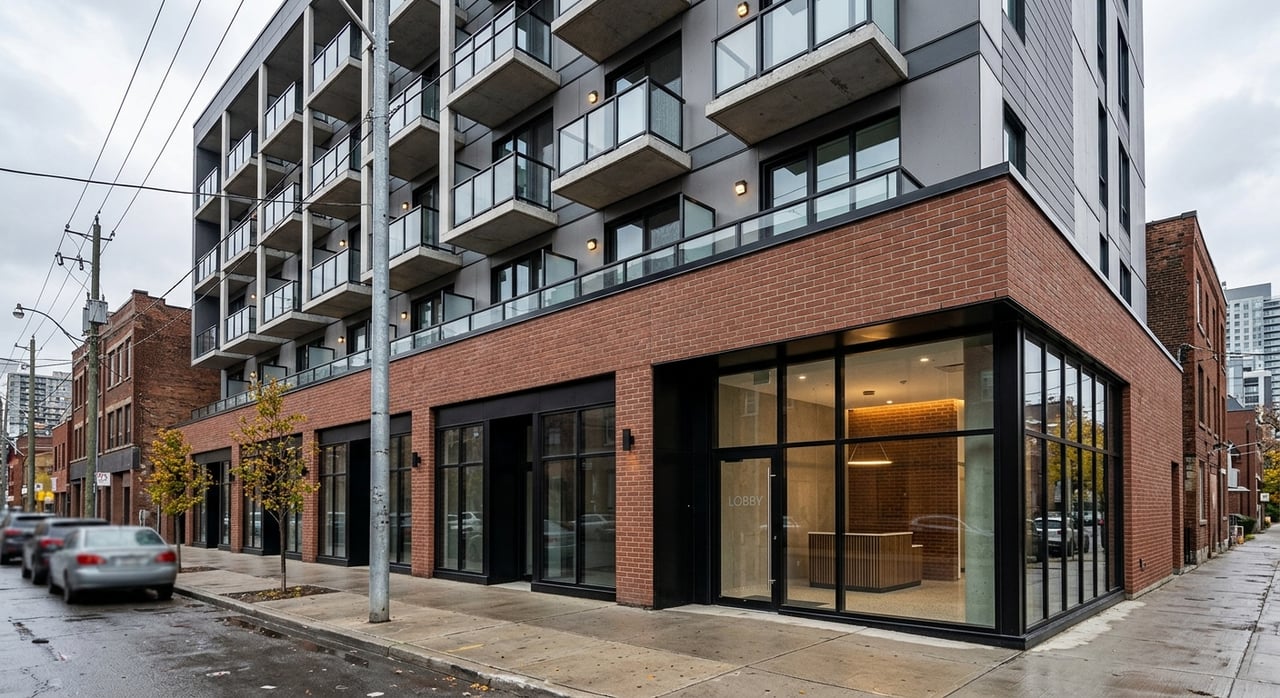
Seaport Condo Development Sales: What Developers Should Watch
May 28, 2026
May 28, 2026
If you are planning a condo project in Boston’s Seaport, the old playbook is not enough anymore. The neighborhood still commands premium pricing and strong attention, but it is no longer an easy growth story driven by scarcity alone. Today, you need a sharper read on pipeline mix, buyer depth, and launch strategy to avoid building into the wrong slice of demand. Let’s dive in.
The Seaport District has grown fast over the past decade, and that growth has changed how new condo projects compete. Boston planning data shows housing units in the South Boston Waterfront grew 327% from 2010 to 2020, while population grew 195% over the same period.
That kind of expansion matters because Seaport is now a mature, highly visible submarket rather than an emerging one. Boston planning materials describe it as a mixed-use district shaped by residential, commercial, civic, retail, and waterfront uses, which means new development enters a market with established expectations and a more complex planning path.
For developers, that shifts the conversation from “Is there room to build?” to “What product can still win here?” In Seaport, project positioning matters just as much as location.
The clearest near-term ownership addition is One Harbor Shore at 1 Harbor Shore Drive. The Fallon Company says this project is under construction as the final development within the Fan Pier master plan and is expected to deliver 122 luxury condominium residences in late 2026.
Another important proposal is 150 Seaport Boulevard. Boston’s project page says the development calls for 124 residential units, 10,700 square feet of commercial and retail space, and 179 parking spaces, and it is currently under review.
Within the broader Seaport Square framework, Block L3 and L6 show that the pipeline remains significant in scale. Boston planning materials describe revisions that allocate 260,000 square feet of residential use at Block L-3 and 290,000 square feet at Block L-6, alongside office, research, and retail uses.
That distinction is important. A large pipeline in gross square footage does not automatically mean a large pipeline of for-sale condos.
In Seaport today, much of the visible activity remains tied to mixed-use phases rather than a wide bench of stand-alone boutique ownership buildings. The projects in view are generally larger-format, amenity-driven developments instead of smaller condo offerings that target a more flexible buyer profile.
Developers should also watch supply just outside the core waterfront. Boston’s May 2026 update says 320 Summer Street will be converted into 145 homes, including 29 income-restricted units, while 50 Congress Street and 1 State Street are also advancing through office-to-residential conversion.
Even when those projects are not direct Seaport waterfront competitors, they still expand the broader choice set for buyers. A purchaser who wants newer or updated city housing may consider Fort Point or downtown-edge options if the price, layout, and move-in timing feel more practical.
Seaport still operates at the top of Boston’s condo market. For the first four months of 2026, an MLS PIN-based market report from the Steph Crawford Group showed 22 condo sales in the Seaport District, with a median sale price of $2.375 million and a median price per square foot of $1,816.16.
Those numbers confirm that the neighborhood continues to support elite pricing. For the right product, buyers are still willing to pay a premium for views, service, location, and amenity-rich living.
The same report showed a median 79.5 days on market in Seaport, compared with a citywide median of 42 days. That gap is one of the clearest signals developers should watch.
A slower market time does not mean demand has disappeared. It means the buyer pool is narrower, more selective, and more sensitive to pricing, layout, and perceived value than the skyline might suggest.
Recent reporting cited Collaborative Companies data showing Boston urban-core sales above $3 million fell 35% year over year in the second quarter, while Boston’s overall condo market fell 11% year over year for the same period. The same reporting noted that developers added roughly 2,500 luxury units between 2019 and 2025, with average new luxury condo pricing around $2,200 per square foot.
That backdrop matters for Seaport because the district sits directly in the path of this high-end supply story. It helps explain why trophy inventory can linger longer than expected, even in one of Boston’s most recognizable luxury locations.
The biggest caution flag is the ultra-luxury, view-driven tower segment. Reporting also noted that the St. Regis Residences in the Seaport still had about 47 unsold units and that developers in the luxury segment have been offering concessions such as discounts or closing-cost coverage.
For developers, that is a meaningful signal. It suggests that prestige alone may not create the absorption pace needed to support an aggressive launch or pricing strategy.
Recent reporting points to a buyer pool made up largely of affluent professionals tied to Boston’s universities, medical institutions, and biotech sector, along with empty nesters seeking turnkey city living. Many of these buyers want immediate, low-friction occupancy, and some empty nesters have been slower to move in a higher-rate environment.
That profile fits Seaport well, but it also points to limited market depth. If your project depends on a large volume of buyers at the very top of the pricing ladder, you may be targeting a smaller audience than headline pricing implies.
The clearest opening appears to be below the trophy tier. Recent reporting noted that Boston has too much inventory at the highest end and not enough in the midrange luxury band.
In Seaport terms, that suggests room for a more practical ownership product. Smaller-footprint units, strong finishes, smart layouts, and a polished amenity package may attract buyers who want quality and convenience without paying peak waterfront-trophy pricing.
A more measured product strategy can also widen the buyer pool. Instead of relying only on buyers chasing status, you can appeal to people prioritizing ease, design, service, and predictability.
That can matter in a neighborhood where existing luxury resale inventory already gives buyers many high-end choices. If your project offers a cleaner value story, it may stand out more clearly against both new and resale competition.
One Harbor Shore is one of the most visible near-term tests for Seaport ownership demand. If absorption is strong, it may support confidence in well-positioned luxury inventory.
If sales move slowly, that may reinforce the idea that even prime waterfront product needs careful release pacing and sharper pricing discipline. Either way, it will be an important benchmark for future launches.
Because 150 Seaport Boulevard remains under review, its progress matters. If it advances as proposed, it adds another meaningful residential component to the district and expands competitive supply.
For developers planning nearby, timing matters almost as much as total unit count. A project entering the market alongside another visible launch may need a more distinct positioning strategy.
Block L3 and L6 are also worth tracking closely. The gross residential square footage is significant, but the broader mixed-use framework means developers should watch how much of that program ultimately supports for-sale housing versus other uses.
That distinction affects future competition. A pipeline that appears large on paper may have a different real-world impact depending on tenure, phasing, and final product type.
Adjacent conversion projects can pull demand from buyers who value newness and convenience over direct waterfront identity. Projects like 320 Summer Street, plus movement at 50 Congress Street and 1 State Street, may affect buyer behavior even if they target a somewhat different audience.
For Seaport developers, this is less about exact one-to-one competition and more about substitution. Every credible alternative gives buyers another reason to compare price, timing, and product.
In Seaport, a condo launch usually needs more than attractive renderings and a good address. Buyers often review BPDA filings, master deeds, bylaws, budgets, deposit schedules, warranties, and delivery estimates before they feel comfortable moving forward.
That means project readiness matters early. If legal documents, pricing logic, and delivery messaging are not aligned from the start, absorption can slow quickly.
Amenities still matter, but they are no longer enough on their own. In a market with established luxury towers and polished resale inventory, your story needs to answer a simple question: why this project, and why now?
That answer may come from floorplan efficiency, more attainable pricing, clearer value, or a better fit for today’s turnkey-oriented buyer. The most effective launches usually combine disciplined release strategy with strong visual presentation and targeted buyer outreach.
A measured launch strategy can help protect pricing and momentum. In a slower luxury market, overreaching on early pricing or releasing too much inventory too quickly can create drag that is hard to reverse.
Developers who treat Seaport as a highly selective submarket, rather than a broad luxury catchall, are likely to make better decisions on phasing, positioning, and timing.
Seaport still supports premium condo pricing, but the market is more selective than it once was. The neighborhood’s pipeline is meaningful, the luxury buyer pool is narrower, and adjacent conversions are expanding the range of alternatives available to buyers.
If you are evaluating a new condo project here, the key questions are straightforward. Is your product differentiated, is your pricing grounded in today’s slower absorption reality, and are you targeting the part of the market that still looks under-served rather than overbuilt?
For developers weighing a Seaport launch, the most important signals to monitor are One Harbor Shore absorption, the progress of 150 Seaport, the residential makeup of Seaport Square phases, and the pull of nearby conversion supply. If you want experienced guidance on product positioning, launch strategy, and marketing execution in Boston’s urban core, connect with The Residential Group.
Stay up to date on the latest real estate trends.
The Residential Group at William Raveis Real Estate is a team of experienced agents, specializing in the sale of urban dwellings and new construction/renovation properties in Metropolitan Boston. They are consistently ranked among the top sales teams at William Raveis Real Estate and top teams in all of Massachusetts.

27 Boylston Street, Suite #310 Chestnut Hill, MA 02467