Buying A Beacon Hill Condo: Historic Charm, Modern Tradeoffs
May 21, 2026
May 21, 2026
If you love the idea of living in one of Boston’s most iconic neighborhoods, Beacon Hill can feel hard to resist. The brick sidewalks, narrow streets, gas lamps, and classic row houses create a setting that feels distinctly historic, but condo ownership here often comes with very modern tradeoffs. If you are weighing charm, convenience, and long-term fit, this guide will help you understand what buying a Beacon Hill condo really looks like today. Let’s dive in.
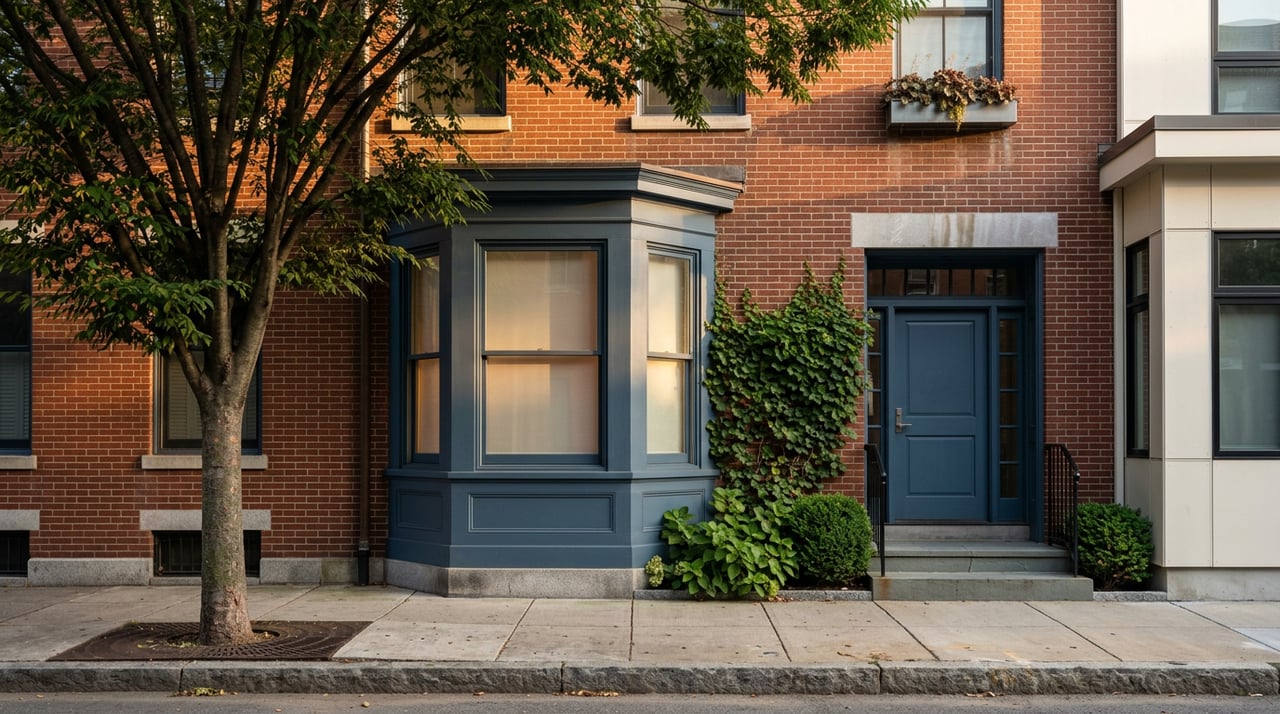
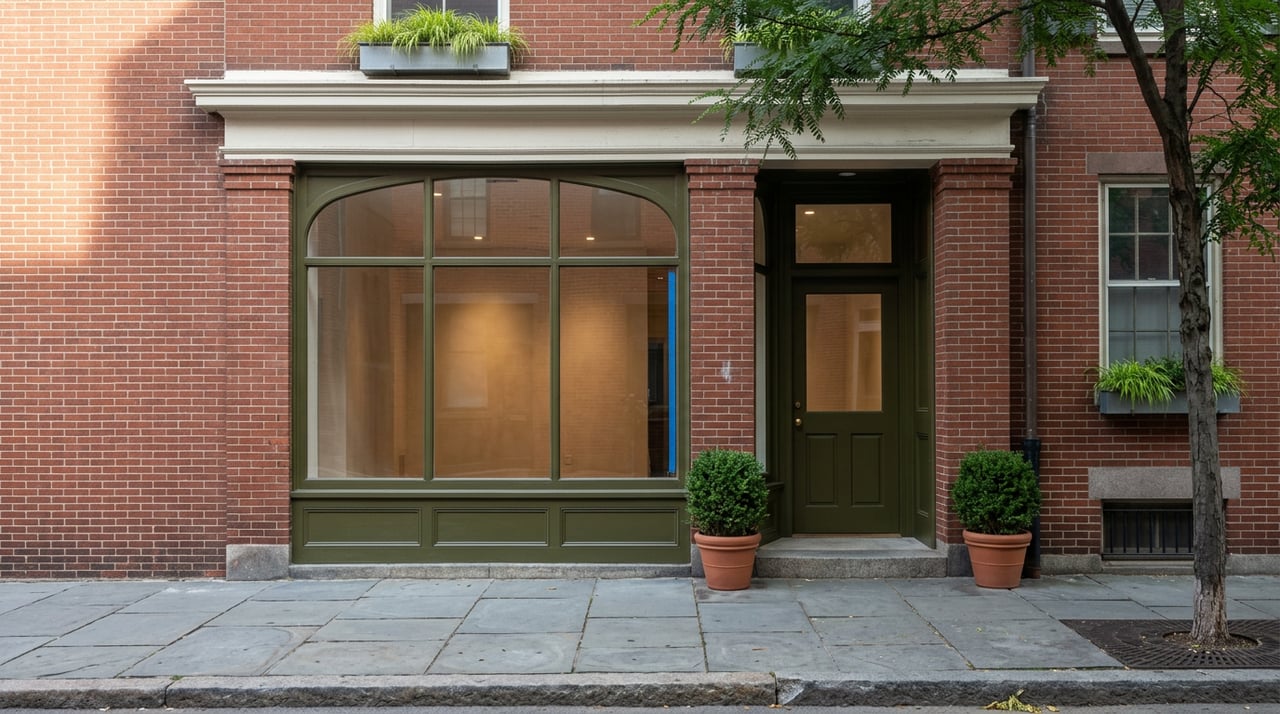
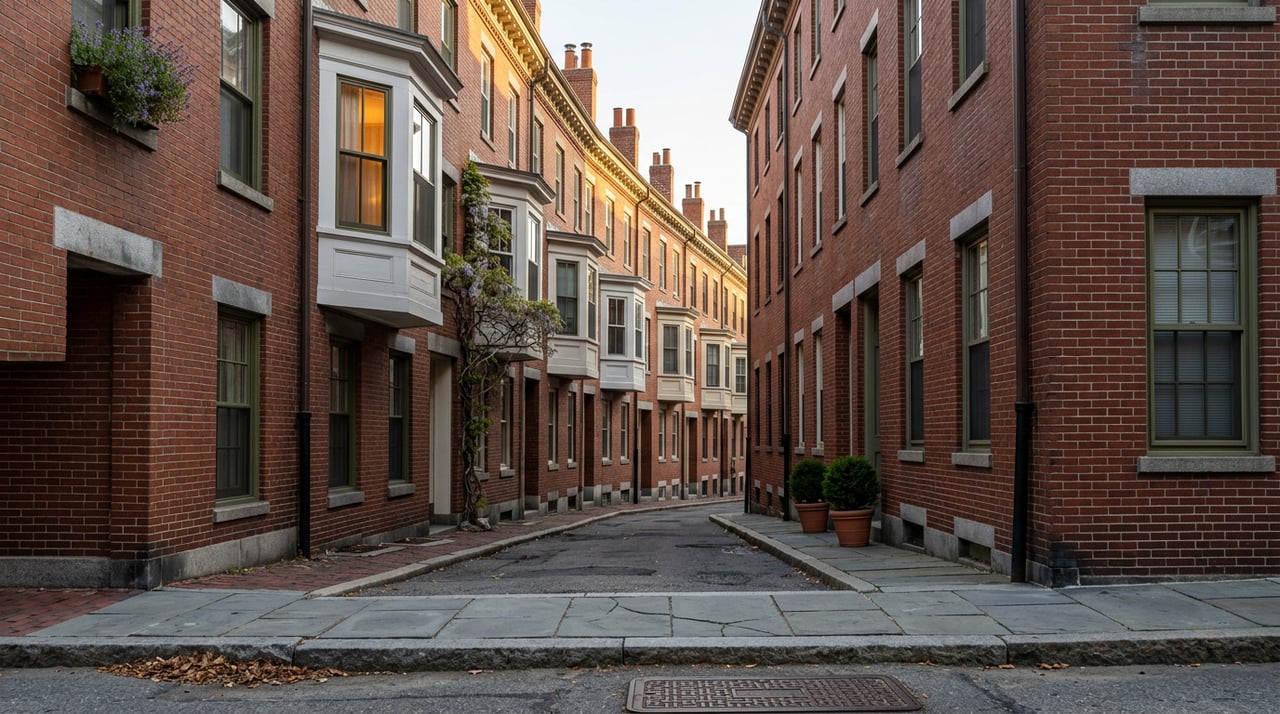
Beacon Hill is about one square mile, but it has an outsized place in Boston’s identity. The City of Boston describes the neighborhood as a reflection of old colonial Boston, with brick row houses, ornate doors, decorative ironwork, narrow streets, brick sidewalks, and gas lamps.
That physical character is a big part of the draw. Boston also notes a long history of adaptive reuse here, including stables and carriage houses converted into lofts and studios. For you as a buyer, that means the housing stock can be full of personality, but it can also feel less standardized than newer condo buildings.
Beacon Hill is a high-price, low-inventory condo market. Redfin currently shows 64 condos for sale in the neighborhood, with a median listing price of about $1.2 million and an average time on market of around 26 days.
The area is also extremely walkable, with a Walk Score of 99. That can make daily life easier if you want a car-light lifestyle, but it does not erase the importance of thinking through storage, access, and parking before you buy.
One of the biggest practical differences in Beacon Hill is the historic district review process. The neighborhood is a city-designated historic district, and the Beacon Hill Architectural Commission reviews exterior work that is visible from a public way.
According to the City of Boston, work cannot begin until a Certificate of Appropriateness is secured. That matters if you are buying with plans to change windows, alter exterior elements, add rooftop features, or install visible mechanical equipment.
The district guidelines place real limits on certain upgrades. They prohibit new facade openings, require original or historic materials to be maintained or closely matched, and do not allow vinyl-clad sash.
The guidelines also state that roof decks or deck enclosures visible from a public way are inappropriate. Mechanical, HVAC, solar, and communications equipment must be placed so they are not visible from a public way.
If you buy in Beacon Hill, your future renovation timeline may be longer than it would be in a non-historic neighborhood. Exterior work can require more planning, more coordination, and a closer review of what is allowed before you commit to a purchase.
This does not mean improvements are impossible. It means you should treat exterior changes as a key due diligence item, especially if a unit’s value to you depends on window replacement, roof access, or visible equipment upgrades.
Beacon Hill’s appeal is strong, but the neighborhood’s older building stock creates some common compromises. If you are coming from newer construction, these tradeoffs can feel significant.
In many cases, buyers are deciding how much charm, location, and historic atmosphere are worth relative to convenience and space. That balance is personal, but it is easier to evaluate once you know what to expect.
Beacon Hill condos can vary widely in size and layout. Current listings include very small homes, including studios in the 200- to 372-square-foot range, alongside much larger multi-bedroom residences.
That range reflects the neighborhood’s historic housing stock and adaptive reuse patterns. You may find spaces with great character and efficient use of square footage, but you may also see more compact rooms, unusual floor plans, or limited storage compared with newer condo product.
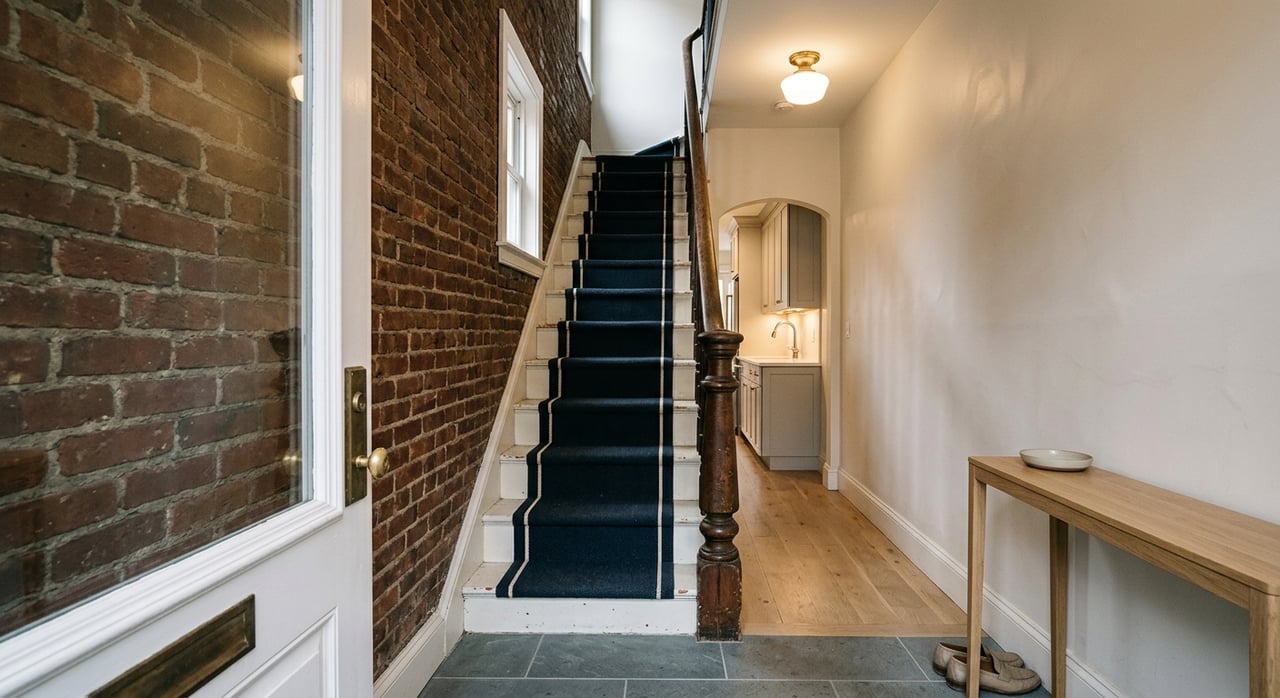
Boston’s description of the neighborhood helps explain why stair-heavy access is common. With row houses, older apartment buildings, and converted carriage houses, many properties are simply not designed like modern full-service buildings.
In practice, that can mean more walk-ups and fewer elevator options. If daily accessibility matters to you, or if you want easy move-in logistics, it is smart to ask detailed questions about stairs, entry sequence, and building configuration early in your search.
Parking is one of the biggest practical issues in Beacon Hill. Boston’s resident parking program gives neighborhood residents preferential access to on-street parking, and many streets operate under Resident Parking Only restrictions.
A valid permit is required to avoid ticketing, and visitor parking is limited. If you own a car, checking for a deeded or leased parking space should be part of your early screening process, not something you sort out later.
Even with parking constraints, Beacon Hill’s walkability is a major advantage. With a Walk Score of 99, the neighborhood supports a lifestyle where many errands and daily routines can happen on foot.
For some buyers, that reduces the need for a car and makes the parking tradeoff more manageable. For others, especially those who drive often, the neighborhood’s street pattern and permit rules may feel like a consistent inconvenience. The right fit depends on how you actually live day to day.
If you are deciding between central Boston neighborhoods, Back Bay is a useful comparison. Both areas are historic districts, and both offer strong architecture, walkability, and premium pricing.
The difference is less about whether one has rules and the other does not. It is more about urban form, inventory, and logistics.
Back Bay currently has a larger condo supply than Beacon Hill. Redfin shows about 132 condos for sale in Back Bay, compared with 64 in Beacon Hill.
Back Bay’s median listing price is also higher, at about $1.59 million, and average time on market is around 38 days. If you want more options to compare before making an offer, Back Bay may provide a broader field.
Boston describes Back Bay as a planned district built on filled land with a grid layout, parks, and wide boulevards. Beacon Hill, by contrast, is known for its very narrow streets and denser street network.
That difference affects everyday movement. Boston transportation materials also note major underground parking garages at Prudential Center and Copley Place in Back Bay, which gives that neighborhood a somewhat more structured parking profile.
Back Bay is also subject to historic district review for exterior changes. Its standards limit visible roof decks, restrict rooftop additions, and treat wall penetration for vents as inappropriate in the residential portion.
That is why Beacon Hill versus Back Bay is not a simple choice between historic restrictions and flexibility. It is more often a choice between two historic settings with different inventory levels, street conditions, and daily-use tradeoffs.
Buying well in Beacon Hill usually means looking beyond finishes and staging. A beautiful interior matters, but so do the building’s physical constraints and the realities of ownership in a historic district.
A focused review can help you avoid surprises after closing. Here are a few areas worth prioritizing.
If you expect to update windows, add cooling equipment, or make any visible exterior changes, review those possibilities before you buy. In Beacon Hill, that can be an important part of whether the property truly fits your long-term plans.
Do not rely only on listing photos or the charm of original details. Think carefully about storage, furniture placement, ceiling heights, stair access, and whether the layout supports your daily routine.
If you need a car, confirm whether the unit includes deeded parking, leased parking, or neither. Also make sure you understand how resident permit parking works on the surrounding streets.
Beacon Hill can be an excellent fit if you value historic atmosphere, central location, and walkability. It may be a tougher fit if you want easy parking, larger rooms, or the simpler upgrade path that is often found in newer buildings.
Beacon Hill offers something many neighborhoods cannot replicate: a deeply established sense of place. The architecture, street pattern, and historic character create an experience of city living that feels distinctly Boston.
At the same time, that charm comes with constraints. Smaller footprints, more stairs, limited parking, and stricter exterior rules are not minor details. They are part of the ownership equation.
If you go in with a clear understanding of those tradeoffs, Beacon Hill can be a smart and rewarding buy. The key is making sure the romance of the neighborhood lines up with the way you want to live.
If you want experienced guidance on evaluating Beacon Hill condos, comparing historic Boston neighborhoods, or narrowing your search in the urban core, The Residential Group can help you make a more informed move.
Stay up to date on the latest real estate trends.
The Residential Group at William Raveis Real Estate is a team of experienced agents, specializing in the sale of urban dwellings and new construction/renovation properties in Metropolitan Boston. They are consistently ranked among the top sales teams at William Raveis Real Estate and top teams in all of Massachusetts.