Leave a Message

Thank you for your message. We will be in touch with you shortly.

South End New Construction Condos: A Buyer’s Playbook

March 24, 2026

Buying new construction in the South End can feel exciting and a little complex. You want modern systems, great design, and a solid investment, but you also want to avoid surprises with deposits, financing, and HOA details. This playbook gives you a clear path, from how presales work to the exact questions to bring to a sales gallery. You will finish with a step-by-step due-diligence plan tailored to Boston’s South End. Let’s dive in.

South End market snapshot

The South End is one of Boston’s premium condo markets with steady demand for both new buildings and renovated brownstones. As of early 2026, Redfin reports a neighborhood median sale price around $1.3 million. Prices and days on market shift month to month, so when you are ready to write an offer, confirm the latest neighborhood metrics through trusted sources and recent comps.

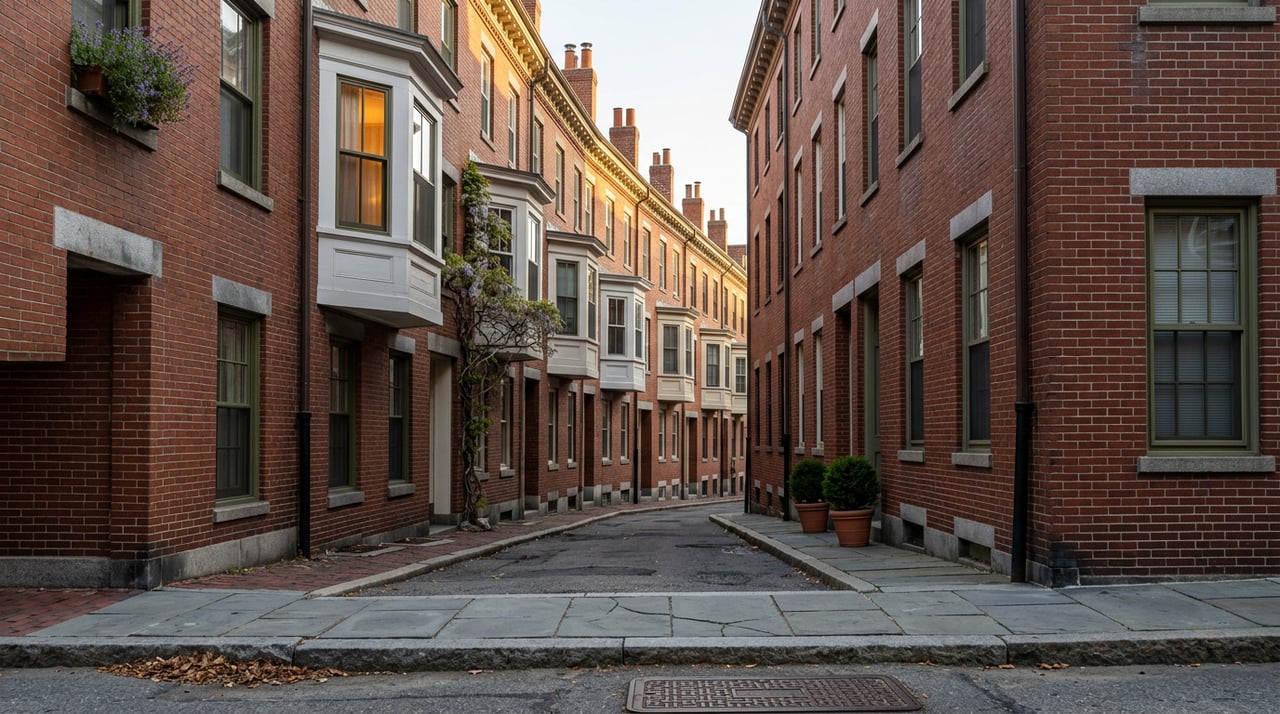
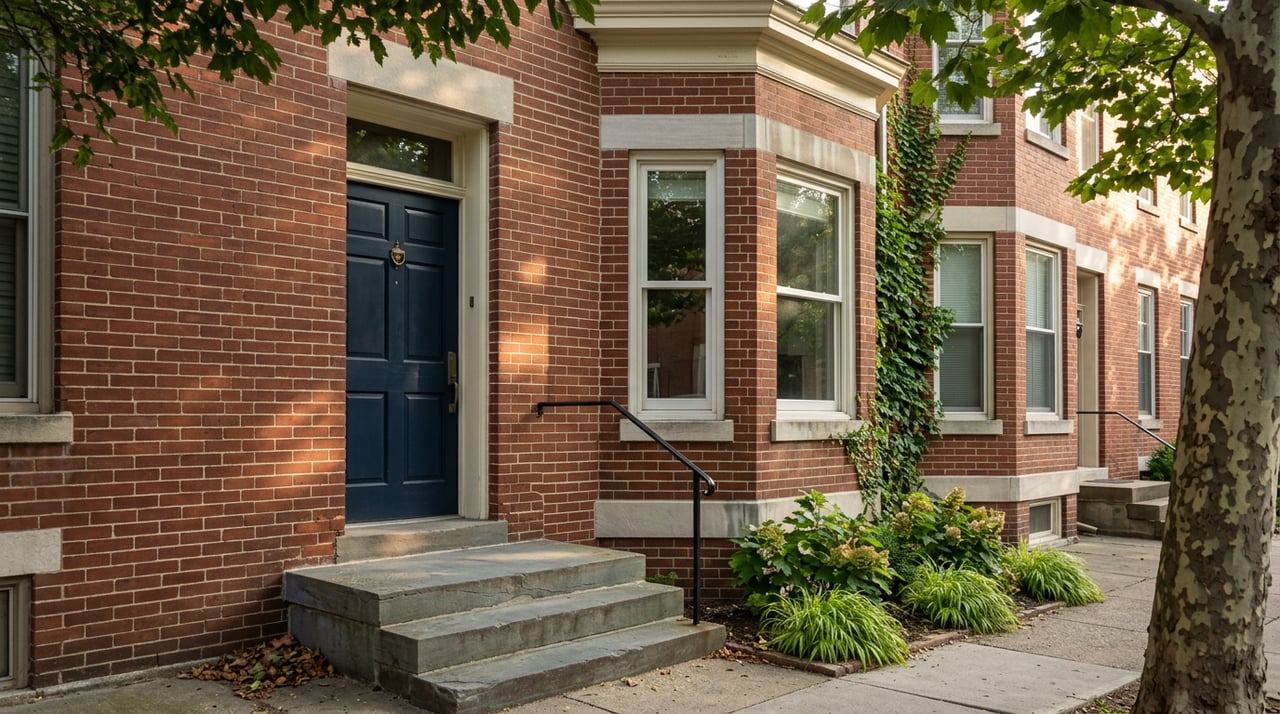
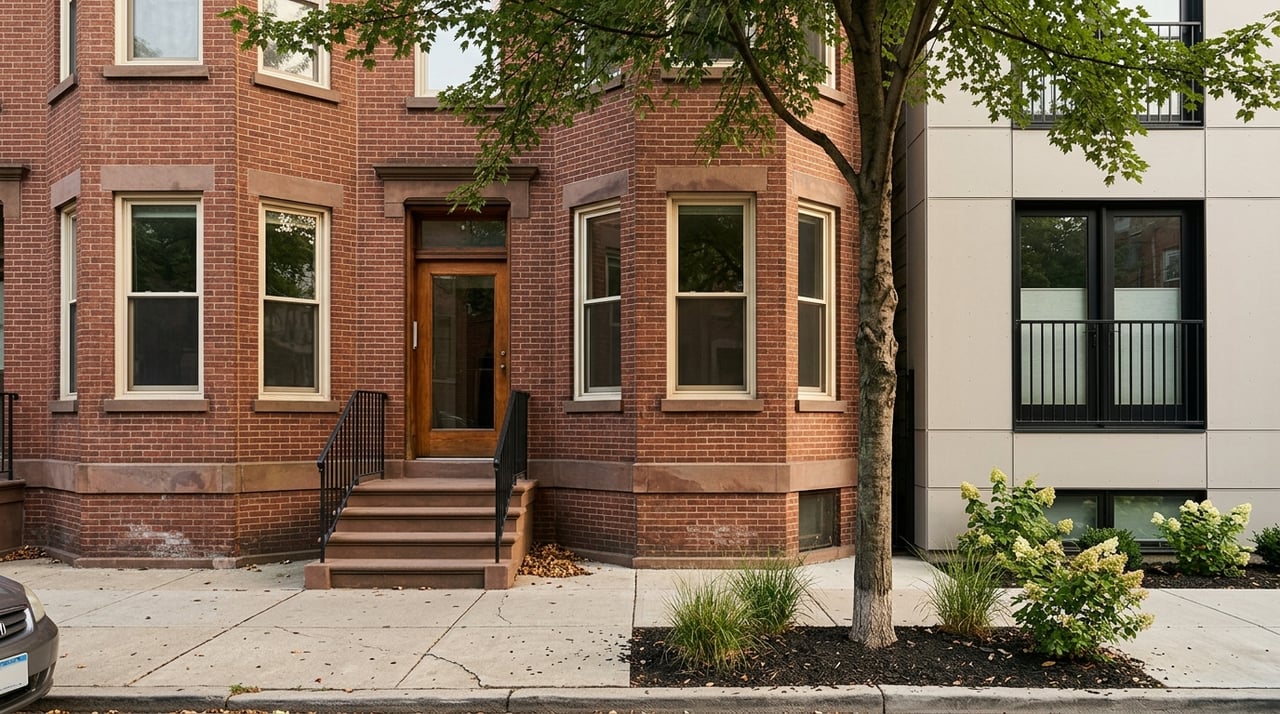
Buyers in the South End often weigh architectural character against modern convenience. The South End Landmark District has active exterior design review, which preserves the neighborhood’s look and feel. That historic context is part of why some buyers choose brownstones and others prefer new buildings for features like modern HVAC, energy-efficient windows, elevators, garages, and full-building warranties. You can learn more about the Landmark District’s review process on the City’s page for the South End Landmark District.

How new-construction sales work

Sales phases and timing

Most developers release units in phases. You will see a marketing and reservations period, a VIP or priority release, one or more general releases, and then ongoing sales during or after construction. Early buyers usually get first pick of floor plans and the chance to personalize finishes during a defined options window. Industry guides outline this staged process and the use of a small initial reservation before moving to a full contract. See a clear overview in this new construction condo guide.

Deposits and refund terms

A reservation deposit is often a small hold to secure a unit while you finalize the Purchase and Sale agreement. After that, staged deposits are typical, adding up to a meaningful percentage of the price prior to closing. Exact totals, escrow mechanics, and refund triggers are contract specific, so get the full schedule in writing and have your attorney review it. Practical buyer resources stress confirming escrow details and refund triggers upfront, which you can see explained in a helpful pre-construction buying guide.

Options, upgrades, and deadlines

Sales centers present standard finishes and paid upgrade menus. The options window is tied to construction milestones. Ask for the price list, any allowance amounts, and the cut-off dates for making selections. Structural or layout-altering requests are more restricted and may not be available once framing is complete.

Occupancy versus closing

Larger buildings may have a gap between initial occupancy and final closings once a Certificate of Occupancy is issued. Some buyers pay interim carrying or occupancy fees during this period. Your P&S should spell out the timeline to CO, estimated occupancy, and closing targets. For a plain-English explanation of this structure, review the pre-construction buying guide.

Financing and warrantability

Financing can hinge on whether a project is considered warrantable under conventional agency guidelines. If a building is non-warrantable, you may face limited lender choices, larger down payments, or higher rates. Check with your lender early and ask the sales team whether the developer plans to obtain project approvals with conventional agencies. For an overview of what warrantability means and why it matters, see this condo financing guide.

Local rules that shape South End projects

Inclusionary Zoning (IDP)

Boston’s Inclusionary Zoning policy applies to qualifying market-rate developments and requires on-site or off-site income-restricted units or a buyout. These requirements can influence unit mix, price points, and overall supply. Ask whether your target building is subject to the policy and how the developer is satisfying it. You can review policy details on the City’s Inclusionary Zoning page.

Article 80 development review

Larger projects go through the BPDA’s Article 80 process, which can add public benefits, transportation conditions, and timing considerations. Confirm whether the building went through Large Project review or Small Project review and whether any conditions remain. The BPDA explains thresholds and process on its Large Project Review page.

Parking supply and pricing

Boston now uses maximum parking ratios for many large, transit-rich developments, which can limit parking counts in the South End. That scarcity affects value, availability, and HOA planning for garage operations. Always confirm whether parking is deeded, assigned, or offered as a separate purchase. For background, see this summary of Boston’s maximum parking rules for large developments.

Historic district review

If a project touches the South End Landmark District and has exterior changes visible from a public way, Landmarks Commission review applies. This can affect materials, rooftop elements, and timelines. Ask the sales team for any Landmarks decisions or approvals that governed the project’s design. Learn more on the South End Landmark District page.

Due diligence checklist for buyers

Use this list before you commit, and have your attorney and lender assist.

  • Developer track record. Ask for a list of completed projects, visit past buildings, and look for evidence of quality, timeliness, and warranty follow-through.
  • Legal entity and title. Confirm the developer entity and check public records for liens, mortgages, or easements on the site. Your attorney or title company can run this search.
  • Full contract package. Obtain the complete P&S with deposit schedule, escrow details, and refund conditions. Ask for written timelines and milestone definitions.
  • Condo documents. Request the master deed, bylaws, rules and regulations, and any development agreement. Massachusetts Chapter 183A governs condo structures and required records. Review the law’s framework here: Chapter 183A.
  • Budget and reserves. Ask for the initial operating budget, the current reserve balance, and any reserve study. Massachusetts requires condos to maintain an adequate, separately held replacement reserve fund. See a practical overview of reserve expectations here: Massachusetts reserve fund guidance.
  • Insurance and warranties. Request the master insurance summary, unit-owner responsibility matrix, and the developer’s warranty terms. Confirm warranty length and who administers claims.
  • Parking and storage. Confirm if parking and storage are deeded or assigned, whether they are included or a separate purchase, and any HOA rental program rules.
  • Inclusionary Zoning status. Ask whether the building is subject to IZ requirements and whether conditions could affect pricing or inventory.
  • Financing path. Have your lender conduct a preliminary condo project review to confirm warrantability, expected down payment, and agency approvals. For context, see this condo financing guide.
  • Construction timeline and remedies. Get the baseline schedule, any developer extension rights, and delay remedies. Ask how material substitutions are handled and whether buyer sign-off is required for meaningful changes.

Sales gallery questions to bring

Use these verbatim during a tour or appointment. Ask for electronic copies of all documents.

  • Show me the master deed, bylaws, and the draft budget and replacement reserve schedule.
  • What is the deposit schedule from reservation through closing, where is each deposit held, and under what conditions are deposits refundable?
  • Who is the developer, what other Boston projects have they completed, and can I visit completed buildings?
  • Is parking included, deeded, or a separate purchase? If deeded, which units have assigned spaces?
  • What warranties are provided for workmanship, systems, and structure, and who administers claims?
  • Have final building permits and the Certificate of Occupancy been obtained? If not, what are the milestone dates?
  • How much of the building is currently sold, unsold, or developer-held, and how long will declarant control last?
  • Show me the HOA operating budget, current reserve balance, and any expected special assessments.
  • Did the project go through BPDA Article 80 or require zoning variances? Are there any outstanding public conditions or linkage payments?
  • Are there any current or pending litigation claims related to this project or the developer’s other projects?
  • Is the project warrantable with conventional lenders or will buyers need portfolio financing?
  • Which finishes are standard, what are the upgrade prices, and what are the deadlines for choices?

How a buyer team vets projects

Here is a process you can follow with your agent, lender, and attorney.

  1. Preliminary screening. Verify the developer’s identity, review past projects, and have your attorney check title records for liens, mortgages, and easements.
  2. Document request. Gather the P&S, master deed, bylaws, HOA budget, insurance summary, warranty documents, and any BPDA filings. Use Chapter 183A as your reference for core condo requirements.
  3. Lender review. Ask a preferred lender for a condo project feasibility call to discuss warrantability, down payment, and agency approvals.
  4. Legal and accounting. Have a Massachusetts condo attorney review the P&S and condo docs and ask a CPA to review the proposed budget and reserve assumptions.
  5. Physical review. Request building and unit specs, including wall assemblies, glazing, HVAC type, elevator details, and garage operations. If possible, have an independent inspector or architect look at mockups and finishes before finalizing upgrades.
  6. Negotiation. Where feasible, negotiate deposit protections, clearer delay remedies, assignment rights, and inclusion of key commitments in the signed P&S. Make sure parking allocations and finish schedules are documented.
  7. Final confirmation. Before any nonrefundable stage, reconfirm lender approval, title status, the CO timeline, and the developer’s written projection for delivery.

New build vs brownstone: smart tradeoffs

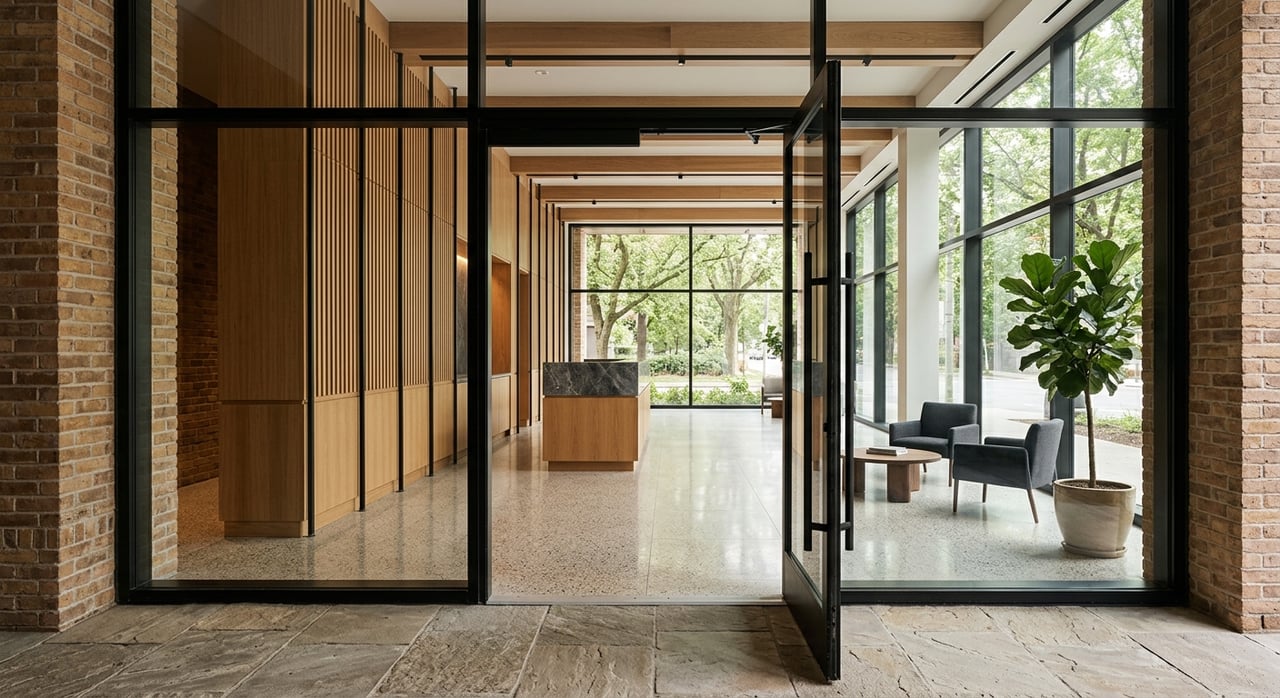
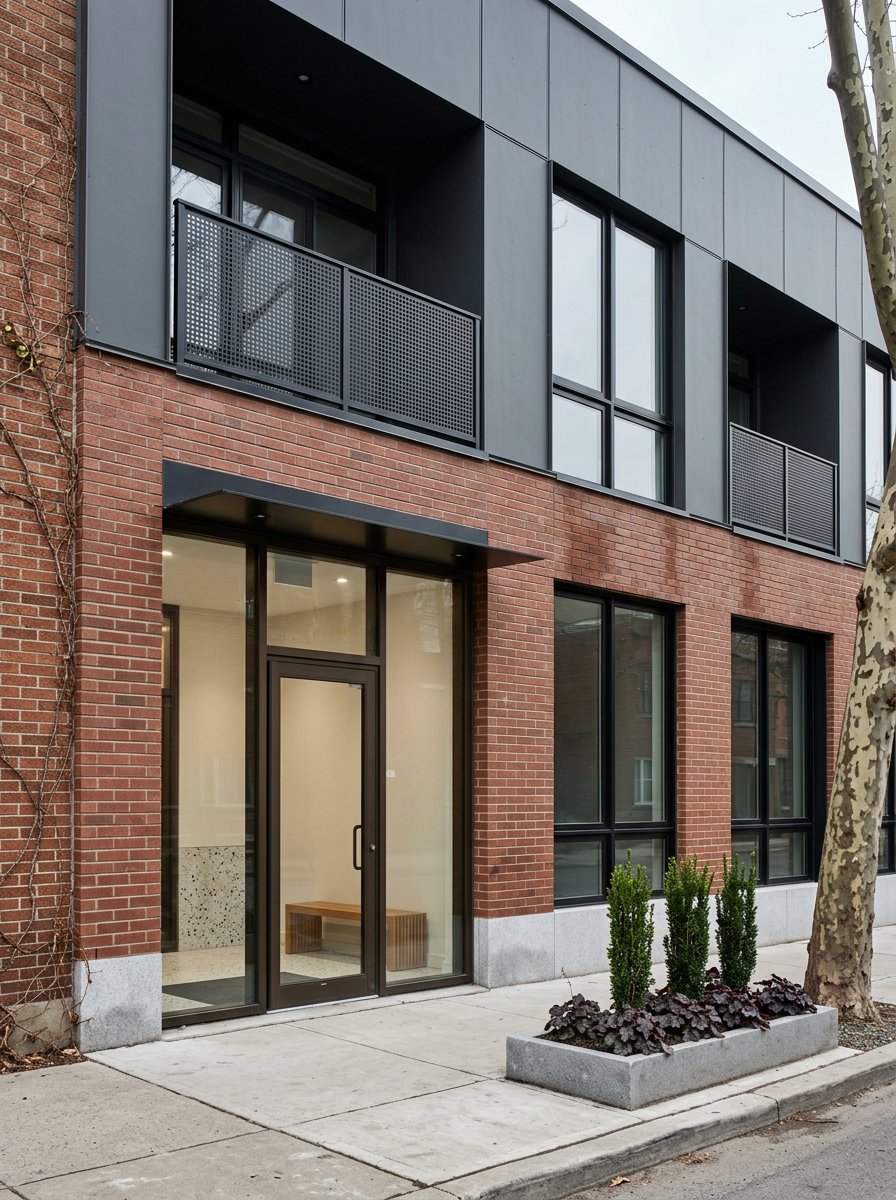
If you value period detail and larger classic layouts, a renovated brownstone may fit your style. Exterior changes in the Landmark District undergo design review, which helps protect the streetscape and architectural consistency. New construction emphasizes energy-efficient systems, elevators, and amenities, plus developer warranties that can reduce near-term maintenance risk. In the South End, parking and storage availability often differ sharply between these two product types, which affects daily convenience and resale.

Ready to compare specific South End buildings, review deposit structures, or set up a lender call on warrantability? Reach out to The Residential Group to plan a focused tour and a clean, step-by-step purchase path.

FAQs

What should I expect for deposits on a South End new condo?

  • Many programs use a small reservation followed by staged deposits totaling a meaningful fraction of the price before closing. Exact amounts, escrow terms, and refund triggers are contract specific, so get them in writing and have counsel review.

How do Boston parking rules affect my condo purchase?

  • Maximum parking ratios in many large, transit-rich projects can limit on-site supply, which impacts availability and pricing. Confirm whether parking is deeded or assigned and whether it is included or a separate purchase.

What does “warrantable” mean for condo financing?

  • A warrantable project meets conventional agency criteria, which usually opens more loan options. Non-warrantable projects can require portfolio lenders and larger down payments, so confirm status with your lender early.

Which condo documents should I review before committing?

  • Ask for the P&S, master deed, bylaws, rules, the HOA budget, insurance summary, warranty terms, and any BPDA filings. In Massachusetts, Chapter 183A outlines core condo requirements and record keeping.

How does Inclusionary Zoning impact market-rate buyers?

  • The policy can shape unit mix, inventory, and pricing in qualifying developments. Ask whether your target building is subject to Inclusionary Zoning and how the developer is satisfying those requirements.

Why does the South End Landmark District matter for buyers?

  • Landmark review influences exterior materials and rooftop elements, which can shape design and timelines. It also helps preserve the neighborhood’s character, which many buyers value for long-term appeal.

Let’s Talk Real Estate

The Residential Group at William Raveis Real Estate is a team of experienced agents, specializing in the sale of urban dwellings and new construction/renovation properties in Metropolitan Boston. They are consistently ranked among the top sales teams at William Raveis Real Estate and top teams in all of Massachusetts.