Fenway Living: Balancing Lifestyle, Rentals, And Investment
April 23, 2026
April 23, 2026
If you want a Boston neighborhood that blends city energy, rental demand, and long-term real estate potential, Fenway deserves a close look. For many buyers and investors, the challenge is figuring out whether the lifestyle is the main draw, or whether the numbers make the stronger case. In Fenway, those two things often work together. Here is what you should know if you are weighing Fenway as a place to live, rent out, or buy as an investment. Let’s dive in.
Fenway-Kenmore is one of Boston’s most active urban neighborhoods, with a mix of cultural destinations, housing options, and built-in demand. According to Boston.gov’s Fenway-Kenmore neighborhood overview, the area is known for Fenway Park, the Museum of Fine Arts, Symphony Hall, Lansdowne Street nightlife, and the Back Bay Fens.
That mix gives Fenway a lifestyle profile that feels bigger than a typical residential pocket. The neighborhood also sits in a strategic location between Downtown Boston, Allston, Brighton, and Longwood, which helps explain why it appeals to both residents and investors.
For buyers who want an amenity-rich city experience, Fenway checks a lot of boxes. You are close to entertainment, green space, cultural institutions, and major employment and academic centers, all within a dense urban setting.
The Fenway Cultural District adds another layer to that appeal, with 21 major institutions, more than 3.9 million annual visitors, over 20,000 employees, and more than 50,000 students. That creates a neighborhood where daily life is shaped by a steady flow of people, activity, and demand.
Fenway offers access to some of Boston’s best-known destinations. From ballgames and concerts to museums and performance venues, the neighborhood gives you a built-in social and cultural calendar without needing to go far.
That matters whether you plan to live in the area or own property there. Neighborhoods with a strong identity and regular foot traffic often stay top of mind for renters and buyers who want convenience and experience in one place.
Fenway also benefits from its proximity to major academic and medical institutions. Boston Planning describes the area as both a residential and commercial hub, while Longwood is recognized as a major medical, academic, research, and cultural center through the broader district context cited in the Fenway Cultural District overview.
For you as a buyer or investor, this helps explain why housing demand tends to remain durable. The area draws people who want to live near work, campus, and city amenities, especially in compact, centrally located housing.
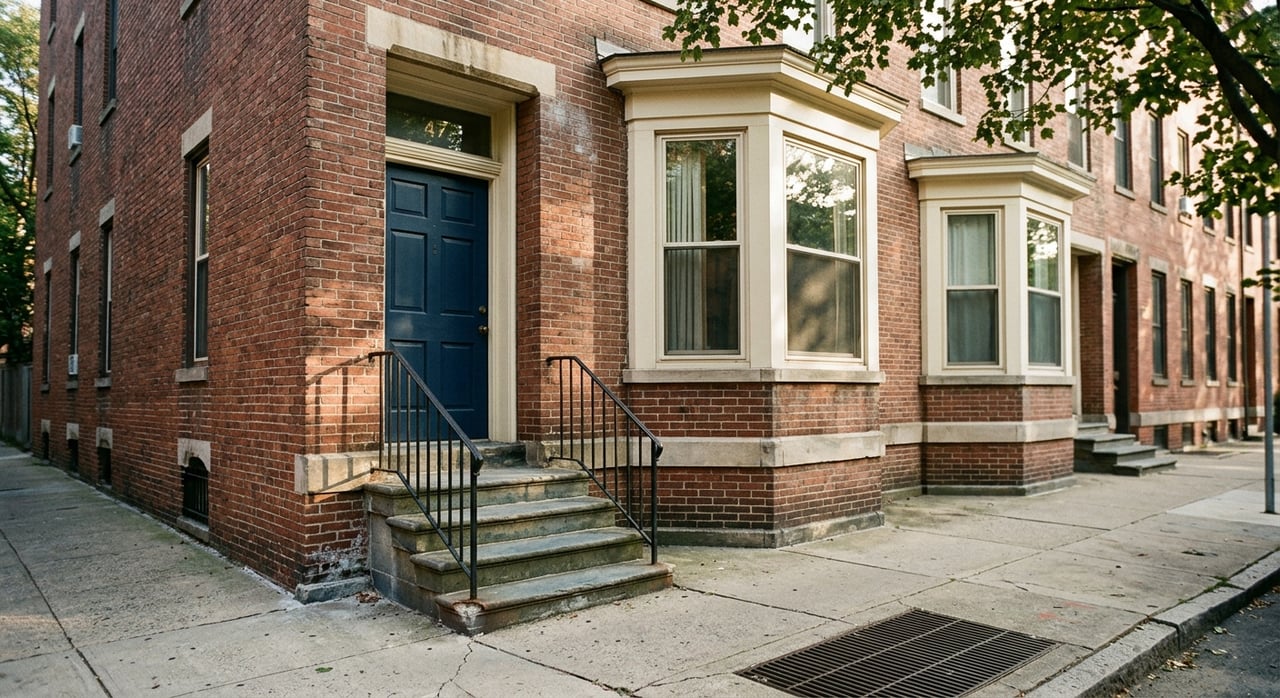
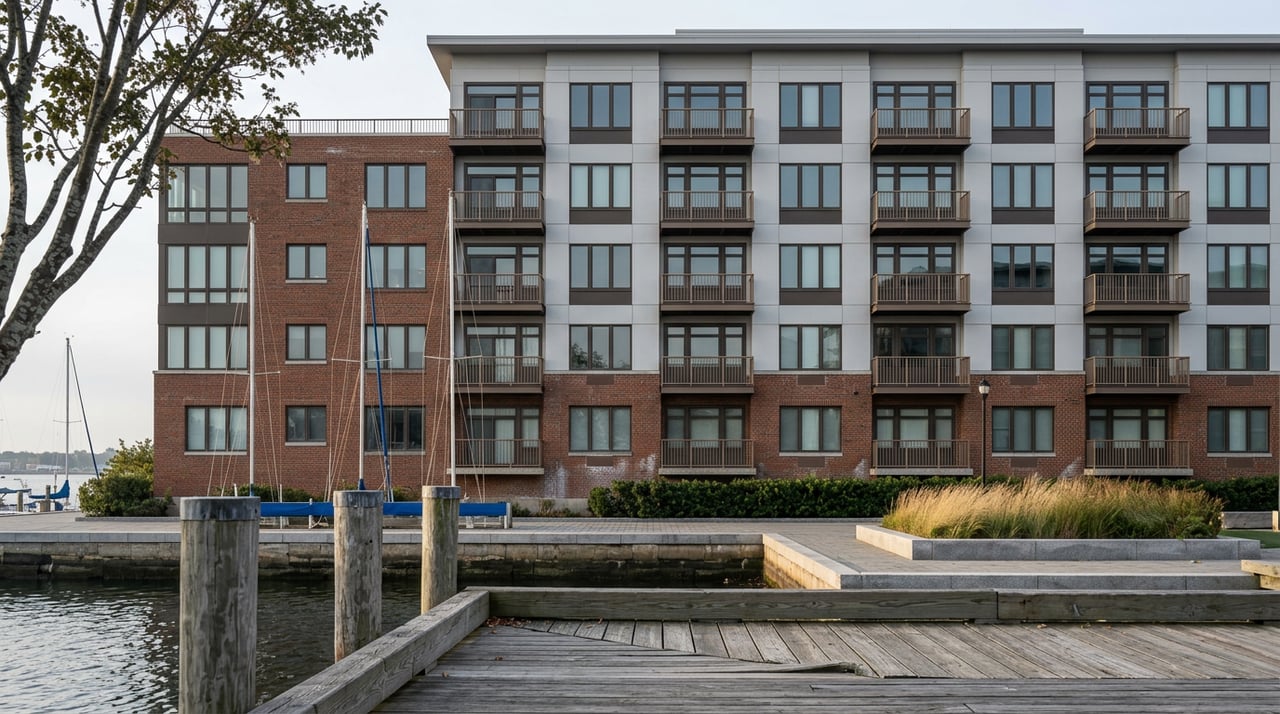
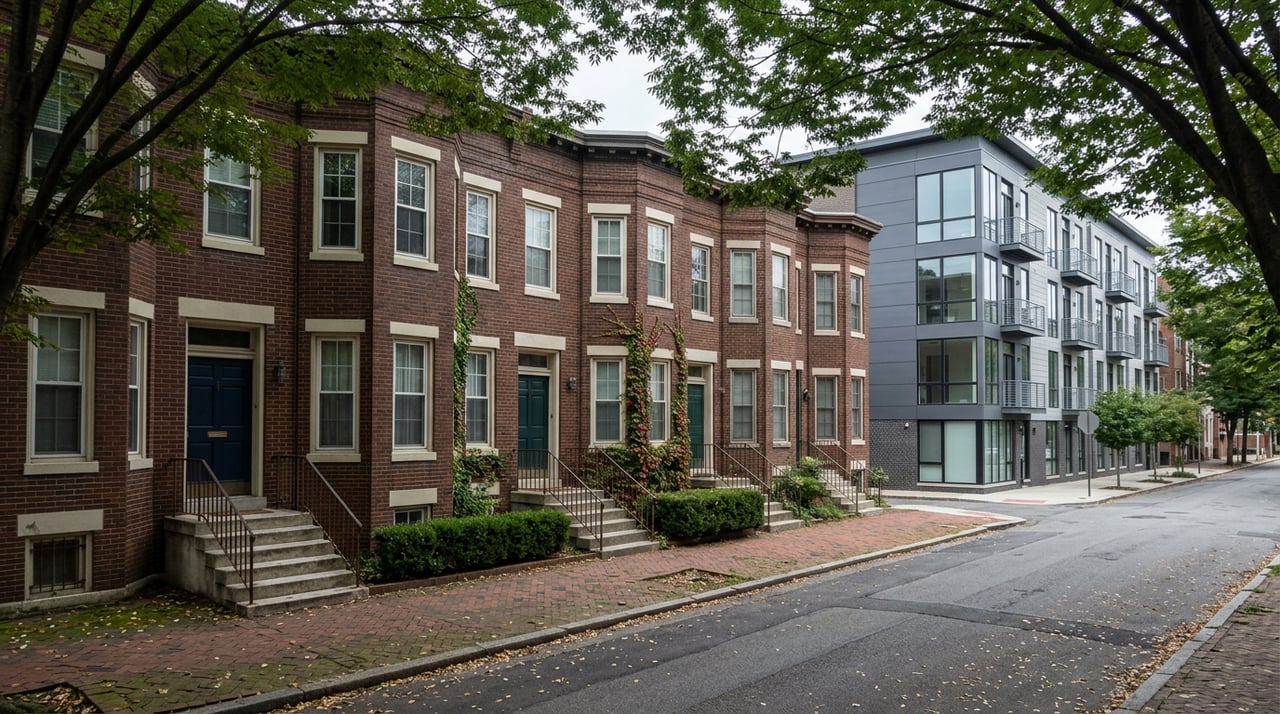
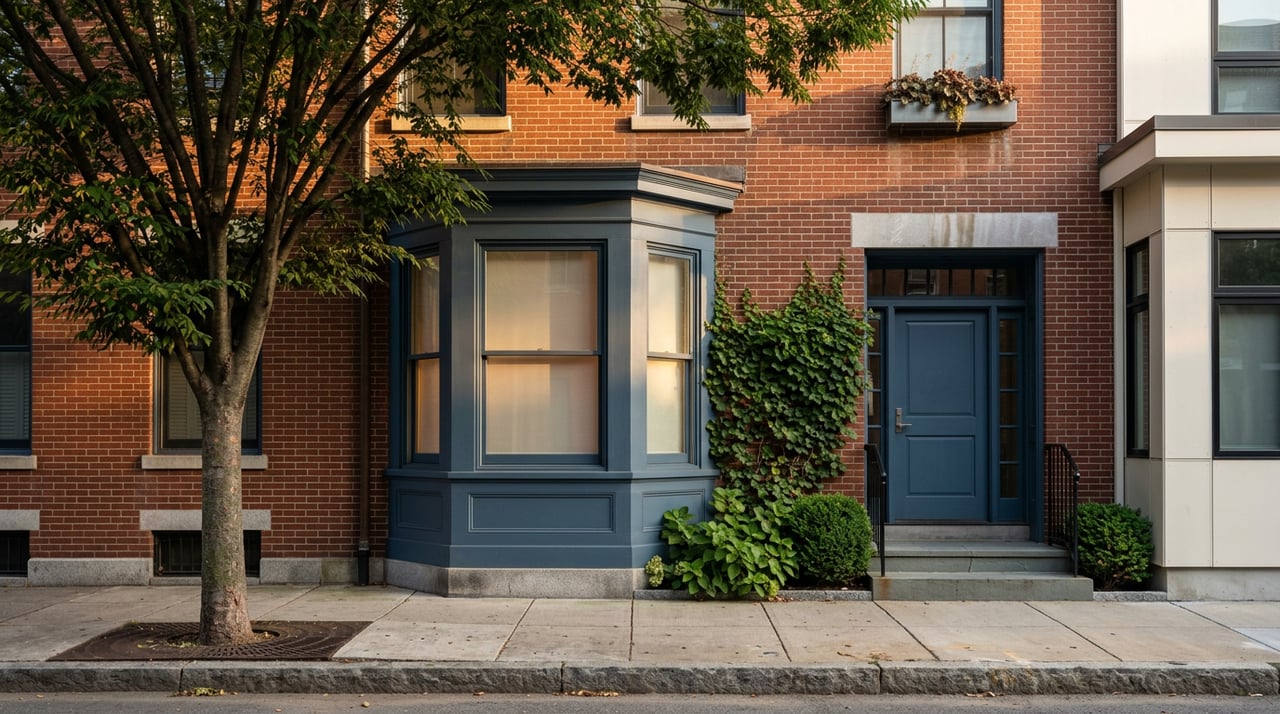
Fenway’s housing stock is one of the clearest clues to how the neighborhood functions. It is not a detached-home market. Instead, it is defined by older brick buildings, condominium inventory, and newer apartment and condo towers.
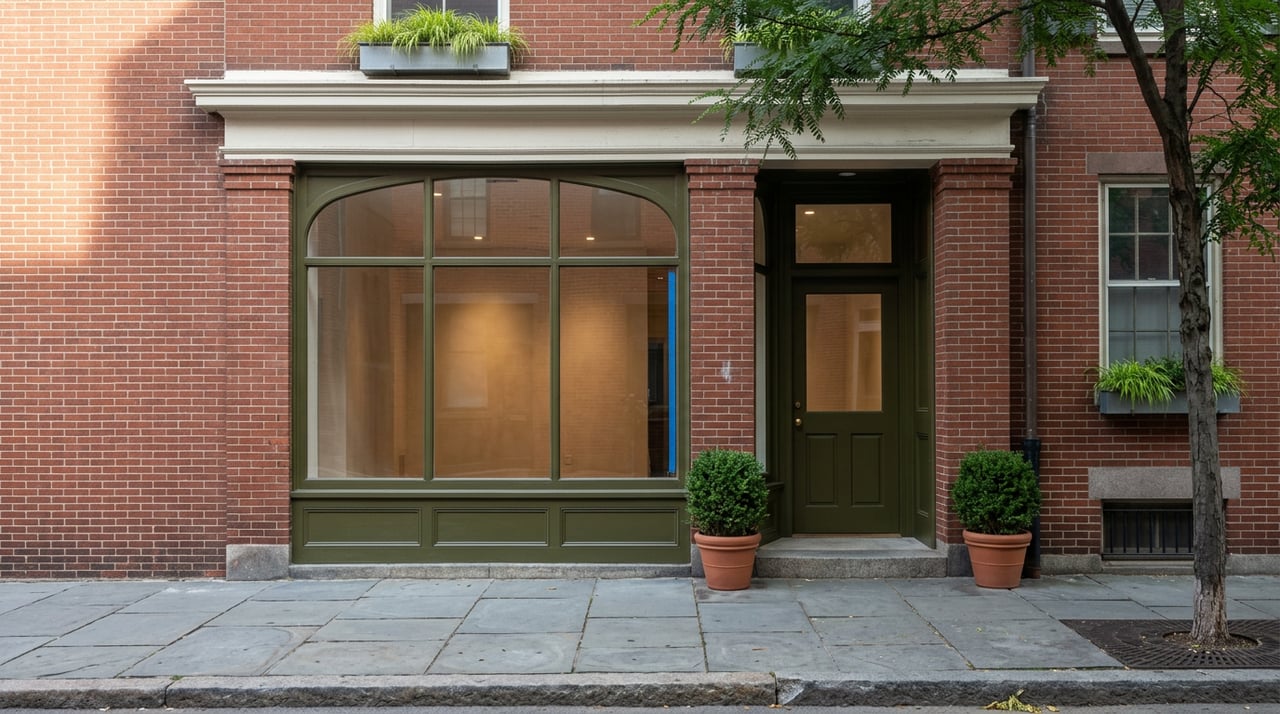
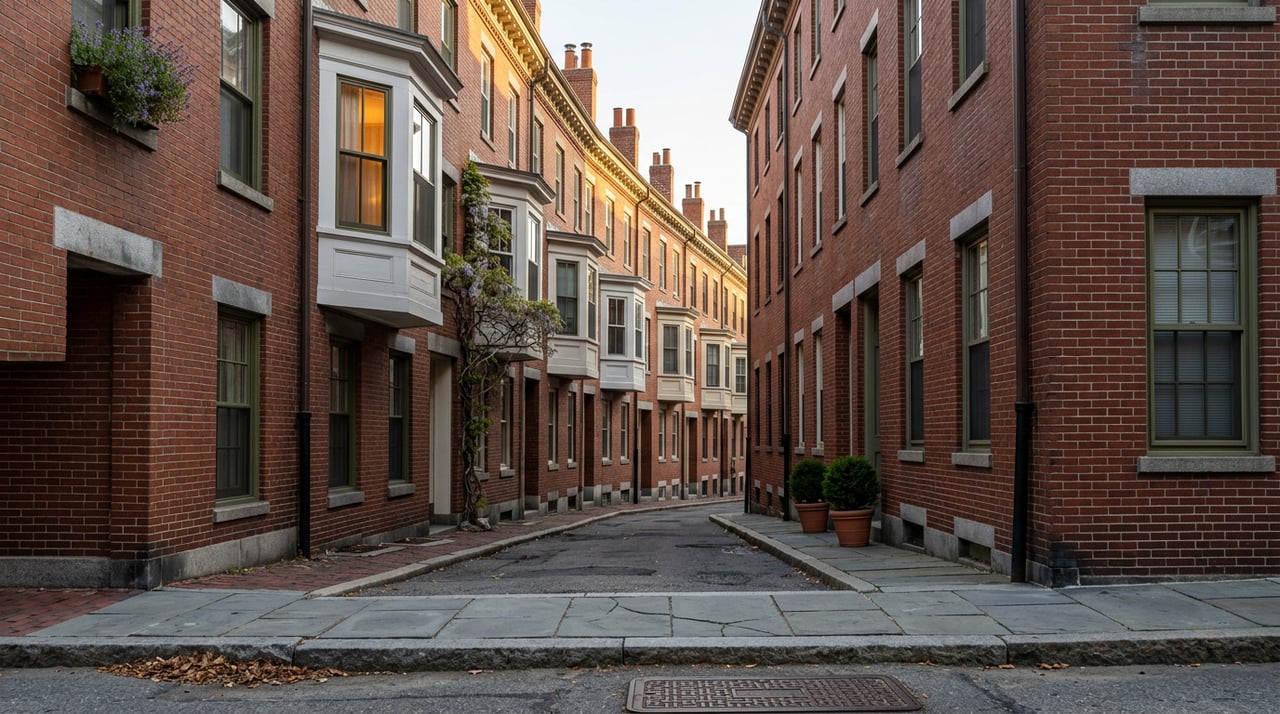
According to Boston Planning’s Fenway at-a-glance page, the neighborhood includes stately brick row houses along the Charles River and Emerald Necklace, plus newer residential development near Fenway Park. The same source notes that West Fenway and Kenmore approved or completed more than 2.3 million square feet of residential space and 4.3 million square feet of commercial space between 2004 and 2022, with another 4.5 million square feet of mixed-use development proposed.
Fenway is one of Boston’s most rental-oriented neighborhoods. A 2025 city housing report lists Fenway as just 9% owner units, which points to a market where renting plays a central role in how housing is used and valued.
That same city housing data also shows strong off-campus student concentration in nearby Fenway-related ZIP codes, with 5,065 students in 02115 and 4,670 students in 02215, based on the City of Boston housing report. More than half of Boston’s off-campus students live in properties with three units or fewer or in condominiums, and the report notes that some condo units are rented by investor-owners.
If you are shopping for a primary residence, Fenway may be a strong fit if you value location, convenience, and a compact urban footprint. You are more likely to find condos and apartment-style homes than traditional single-family options.
That does not make Fenway better or worse than other neighborhoods. It simply means the neighborhood tends to suit buyers who prioritize walkability, access, and city living over large lots or low-density housing.
One of the strongest arguments for Fenway as an investment market is the consistency of rental demand. Public rent snapshots vary by source, but they tell a similar story: this is an expensive, active rental submarket with broad appeal.
Apartment rent trend data for Fenway places the average rent at $3,277 and notes that the neighborhood has some of the highest rental availability in Boston. Other public-facing reports cited in the research place Fenway in the low- to mid-$3,000s, with one-bedrooms around $3,050 and two-bedrooms around $4,450.
Fenway benefits from overlapping demand drivers. Students, medical workers, young professionals, and people seeking an urban Boston lifestyle all compete for housing in the same area.
That demand is especially important in a neighborhood where compact units are common. Studios, one-bedroom units, and two-bedroom units tend to align with the kind of housing stock Fenway offers and the type of renter demand the area attracts.
Fenway is interesting because the lifestyle story supports the investment story. The same features that attract residents, like culture, nightlife, central location, and access to work or study, also help support tenant demand.
This is why Fenway often appeals to several types of buyers at once. An owner-occupant may see convenience and city energy, while an investor may see durable leasing demand and product-market fit in smaller units.
Fenway can make sense for landlords and early-stage investors who are comfortable with condo-heavy, high-turnover urban product. Based on the city housing report and the neighborhood’s renter profile, compact units often matter most here.
If you are considering a small condo, a small multifamily property, or a unit that could serve a strong rental audience, Fenway stands out as a neighborhood where that strategy aligns with local demand patterns. The market is less about large-scale suburban-style space and more about efficient, well-located housing.
Fenway’s opportunity comes with complexity. The neighborhood is active, evolving, and shaped by ongoing planning efforts.
Boston Planning notes that Fenway is undergoing zoning updates under Article 66 and a transportation action plan, as referenced in the city materials included in the research. For you, that means it is smart to evaluate not just the current property, but also the broader development and regulatory context around it.
Fenway may be a strong match if you want a neighborhood where convenience, culture, and housing demand intersect. It is especially compelling if you are open to condo living, interested in compact urban inventory, or looking for a rental-oriented market with multiple sources of demand.
It may be less aligned with your goals if you want a quieter, lower-density setting or if your search is focused on larger owner-occupied housing stock. In Fenway, the value proposition is clear: you are buying into location, activity, and a neighborhood structure that supports both lifestyle and rental relevance.
If you are thinking about buying in Fenway, it helps to evaluate the neighborhood through two lenses at the same time:
That kind of analysis matters whether you are buying your next home, your first investment property, or a unit with both personal-use and future rental flexibility in mind.
Fenway is not just a recognizable Boston neighborhood. It is a market where urban lifestyle and real estate fundamentals often reinforce each other. If you want guidance on buying, selling, or evaluating condo and investment opportunities in Boston’s urban core, connect with The Residential Group for clear, data-informed support.
Stay up to date on the latest real estate trends.
The Residential Group at William Raveis Real Estate is a team of experienced agents, specializing in the sale of urban dwellings and new construction/renovation properties in Metropolitan Boston. They are consistently ranked among the top sales teams at William Raveis Real Estate and top teams in all of Massachusetts.