Allston Multifamily Investing: A Neighborhood-Level Guide
February 19, 2026
February 19, 2026
Thinking about buying a small multifamily in Allston, but not sure how student turnover, new projects, and shifting rents will impact your returns? You are not alone. Allston’s tenant mix and development pipeline can make underwriting feel complex, especially when older walk-ups compete with new amenity buildings. This guide gives you neighborhood-level context, rent signals, a conservative underwriting example, and the key due diligence checks to protect your downside. Let’s dive in.
Allston sits on the Green Line B branch with strong bus coverage and a commuter-rail stop at Boston Landing, which broadens its reach for downtown and suburban commuters. The neighborhood has long attracted students and recent grads, while a growing base of professionals now works in nearby office and life-science hubs. The Boston Landing district anchors new corporate and lab demand with a commuter-rail station, offices, sports facilities, and mixed uses that keep the area active year-round (BPDA Boston Landing Master Plan). Harvard’s Enterprise Research Campus, which broke ground on Phase 1 in November 2023, is set to add lab space, a hotel, and 343 apartments that should support a more diverse tenant pool over time (Harvard Gazette on ERC).
Several large initiatives are concentrating investment in defined corridors. At Boston Landing and along Guest and Everett Streets, modern mixed-use buildings and life-science facilities are pulling in professional renters seeking amenities and transit. On Everett Street, Allston Yards is delivering phased residential with new ground-floor retail; Alder’s 2024 preleasing showed studio asking rents starting near 2,900 dollars, a clear premium for new product (Alder preleasing report). MassDOT’s Allston I-90 Multimodal Project, which named a preferred alternative in December 2022, will reconfigure the highway and improve multimodal connections, likely opening new developable parcels and improving access over the long term (MassDOT I-90 update). In central Allston near Cambridge Street and Harvard Avenue, ongoing proposals and Notices of Project Change continue to shape density and parking, so it pays to review current BPDA files before you buy (City of Boston public notices).
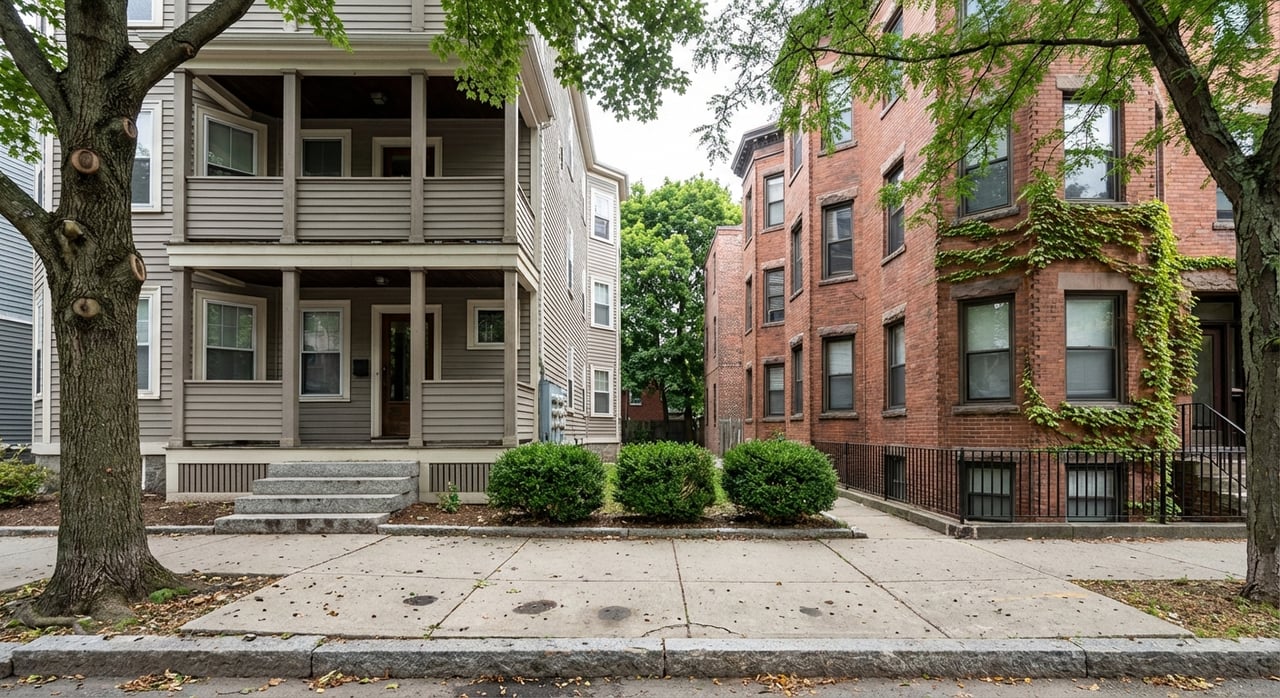
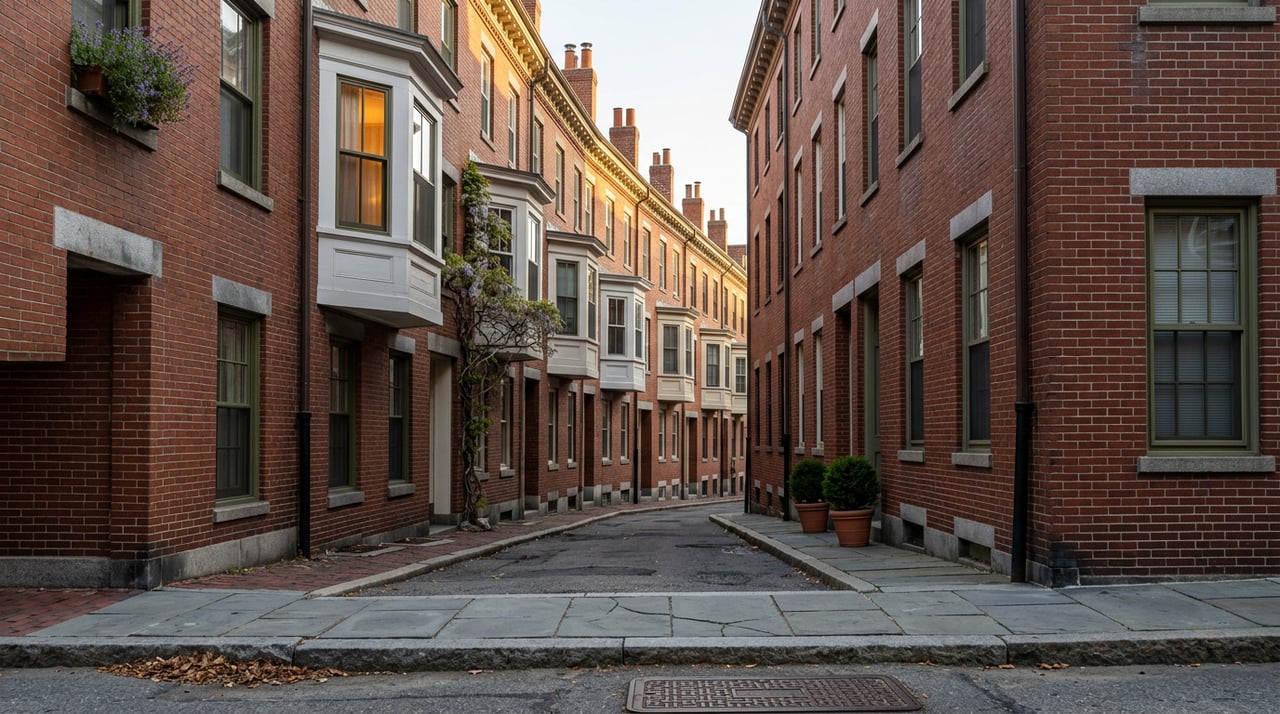
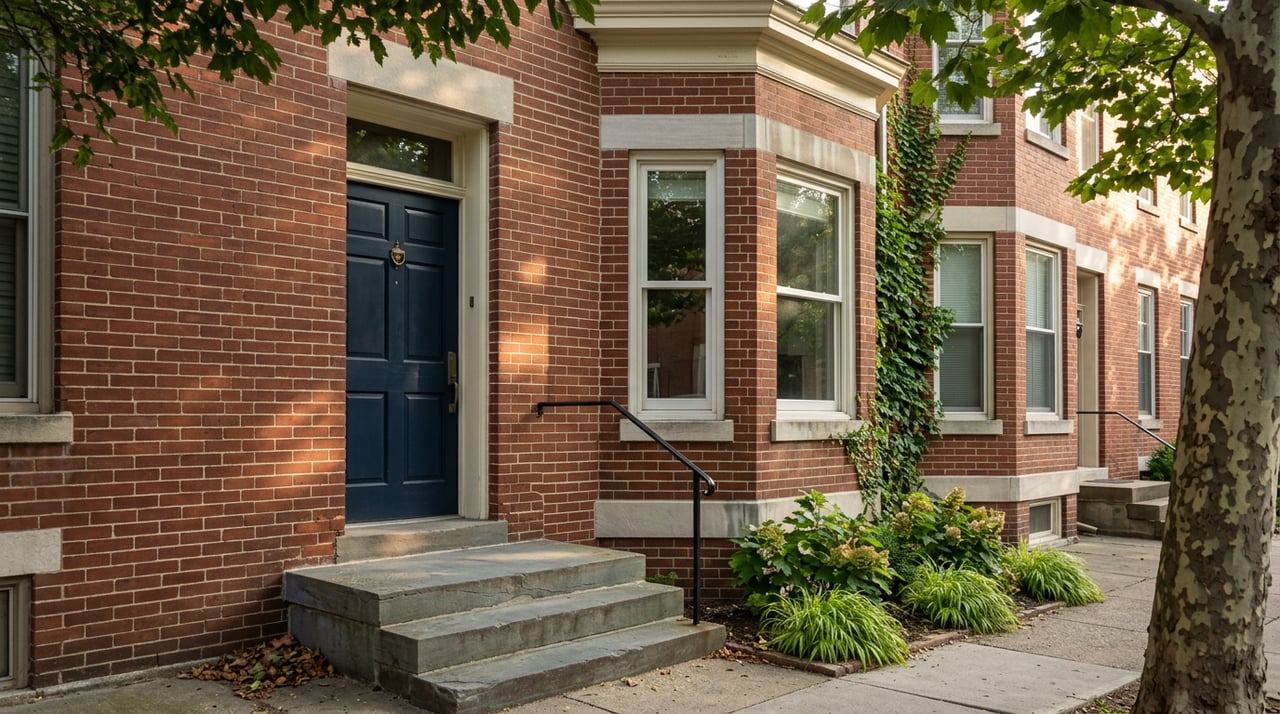
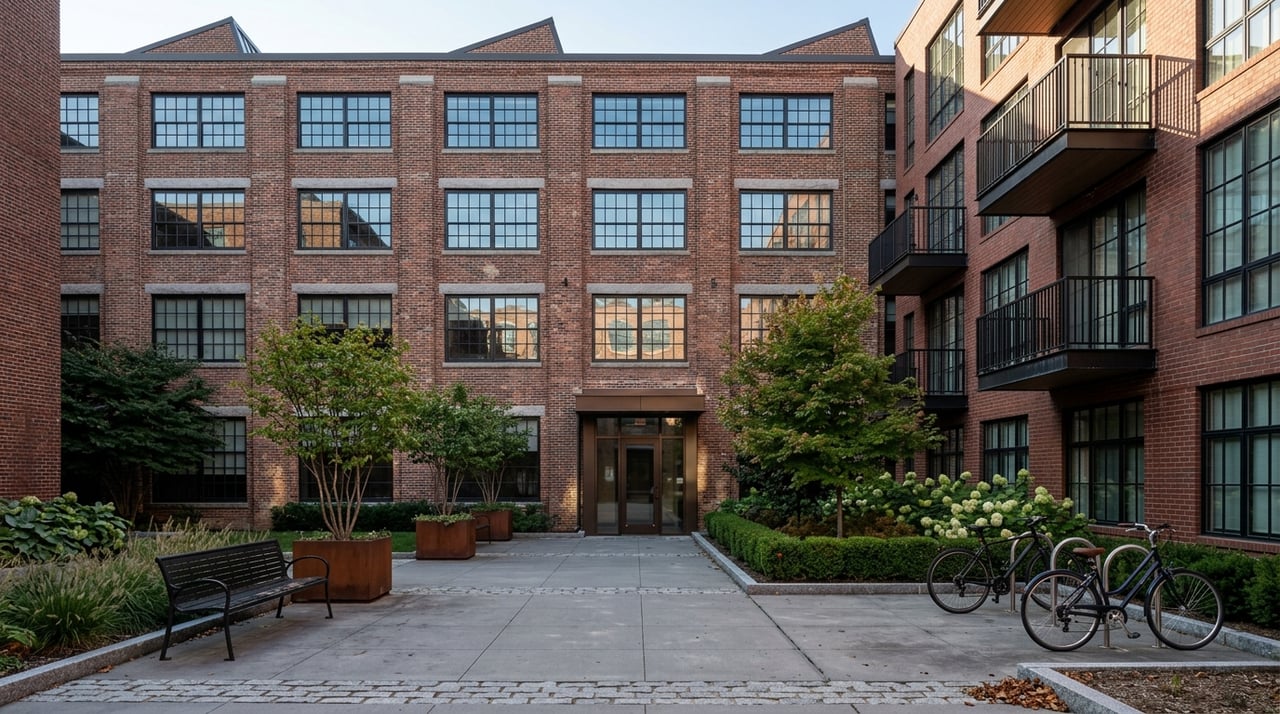
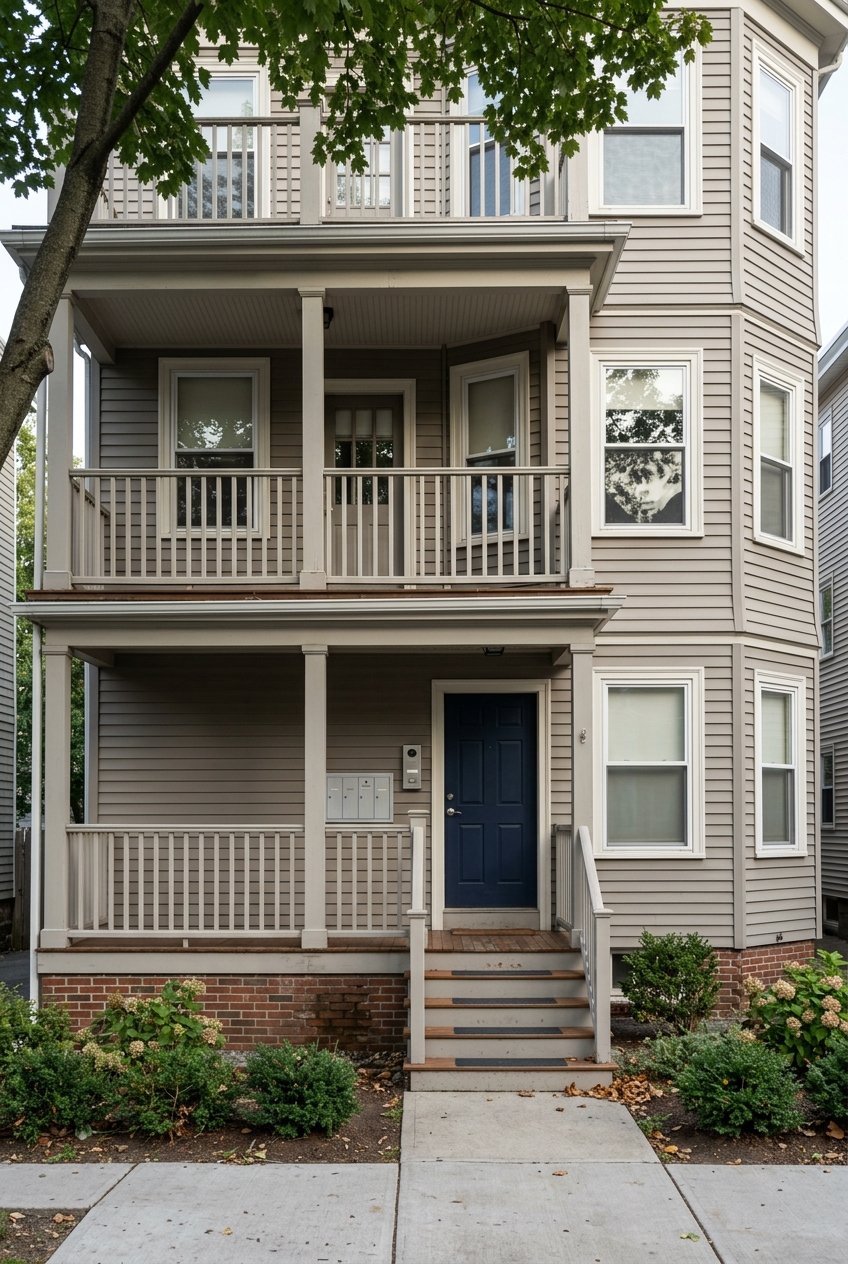
You will see two broad categories. The first is older low-rise stock, including small 2 to 6 unit walk-ups and mixed-use buildings with retail at the ground floor. These assets define the hands-on investor market and often come with active management needs. The second is newer podium and mid-rise product clustered near the Pike corridor and Boston Landing. These buildings pair transit access with amenities and typically attract longer-term professional tenants.
Neighborhood-level reporting from January 2025 placed Allston medians near 2,100 dollars for studios, 2,350 dollars for one-bedrooms, and 3,000 dollars for two-bedrooms. Methodologies vary by site, but those figures are a useful baseline for older stock in early 2025 (Allston rent snapshot, Jan 2025). New-construction asks sit higher. Alder at Allston Yards, for example, reported studio preleasing from roughly 2,900 dollars in 2024, with larger units higher based on finishes and location within the project (Alder preleasing report).
What that means for underwriting: newer podium and mid-rise product can trade and lease at a 20 to 50 percent premium over older walk-ups, depending on proximity to transit and amenities. For older buildings, use neighborhood medians as a ceiling and adjust for condition and layout. For new product, rely on building-specific asks and concessions.
Allston’s rental base blends student households with professionals. That mix shapes operations and cash flow.
Focus on well-located 2 to 6 unit buildings with clean compliance records and minimal immediate capital needs. Confirm rent rolls, lease dates, and actual collected rents against advertised numbers. Budget for a stabilized vacancy of roughly 4 to 6 percent and an operating expense ratio between 30 and 45 percent, leaning higher on older assets.
Look for kitchens and baths that can be modernized, in-unit laundry potential, and layouts that support today’s one- and two-bedroom demand. Consider modest work-from-home solutions to stand out against comparable walk-ups. If you are near new supply nodes like Allston Yards, be conservative on rent lifts, since brand-new buildings will set the headline pricing (Alder preleasing report).
If you are eyeing a conversion, start with a legal read. Boston’s Condominium and Cooperative Conversion Ordinance applies to residential properties built before December 1983 with four or more rental units and includes tenant protections that directly affect your timeline and budget. Key provisions include notice periods of one year for most tenants and five years for elderly, disabled, or low-income tenants, relocation payments of 10,000 or 15,000 dollars depending on eligibility, a DND-approved Conversion Plan, an ISD Conversion Permit, and application fees that are typically 1,000 dollars per unit. Model a 12 to 36 month path from start to finish, then adjust to the actual tenant roster and approval timing (City of Boston conversion ordinance summary).
Use conservative assumptions that reflect Allston’s split demand and the current rate environment.
Assumptions
Math
Quick stress tests
These are screening numbers, not a substitute for property-specific comps and a current lender quote. For small 2 to 6 unit trades, lean on MLS and local sales rather than only metro-level averages.
Before you commit, pull records and confirm what you can and cannot do on day one.
Recent approvals in Allston often assume strong transit, biking, and walking, with reduced on-site parking in some projects. That can change how curb space and private parking are valued over time. If your business plan relies on parking revenue or a parking advantage, validate current and future supply assumptions and review any mitigation conditions in BPDA files (City of Boston public notices).
Ready to evaluate a specific property or assemble an off-market search? We help investors price risk, model value-add, and navigate Boston’s permitting and conversion rules. Start a focused conversation with The Residential Group.
Stay up to date on the latest real estate trends.
The Residential Group at William Raveis Real Estate is a team of experienced agents, specializing in the sale of urban dwellings and new construction/renovation properties in Metropolitan Boston. They are consistently ranked among the top sales teams at William Raveis Real Estate and top teams in all of Massachusetts.