Leave a Message

Thank you for your message. We will be in touch with you shortly.

How To Review South End Condo Association Financials

December 18, 2025

Buying a condo in the South End is exciting, but the smartest move you can make happens before you write an offer. The association’s financials tell you if day‑to‑day bills get paid on time, if reserves can handle big repairs, and whether a special assessment might be around the corner. You want clarity, not surprises.

This guide walks you through what to request, how to read the numbers, and the South End factors that change your risk. You will learn a step‑by‑step workflow, practical red flags, and questions to ask so you can make a confident decision. Let’s dive in.

Why building type matters

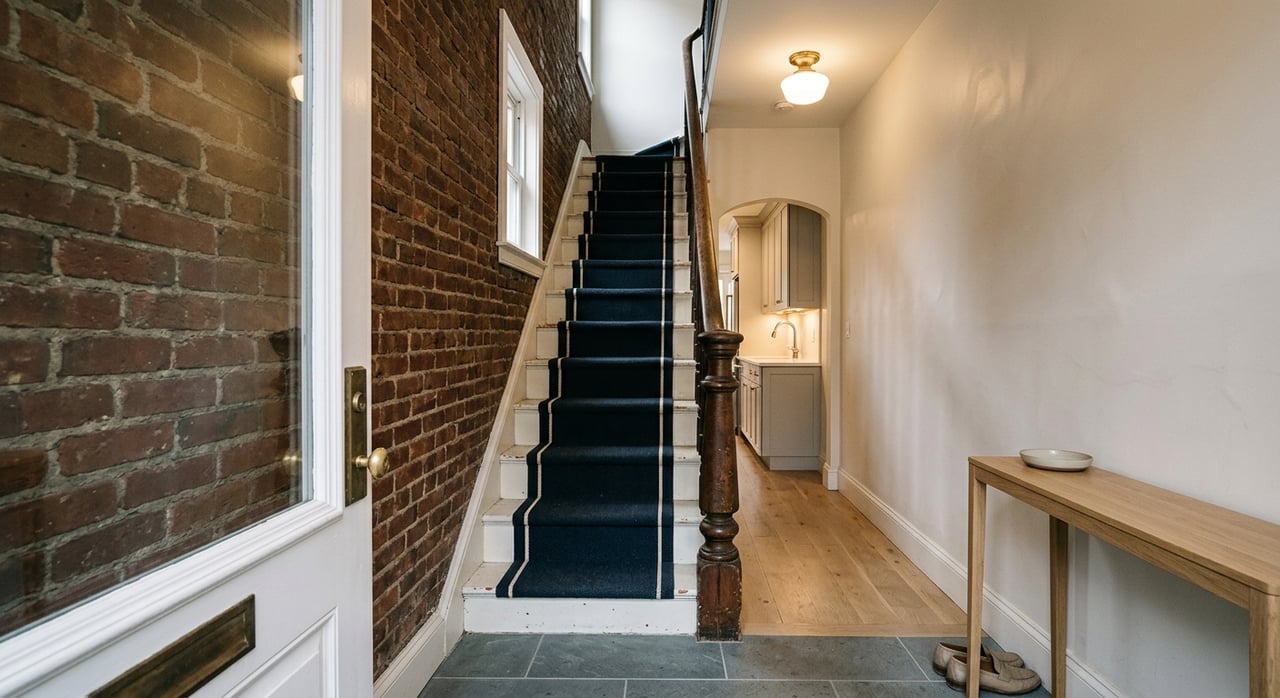
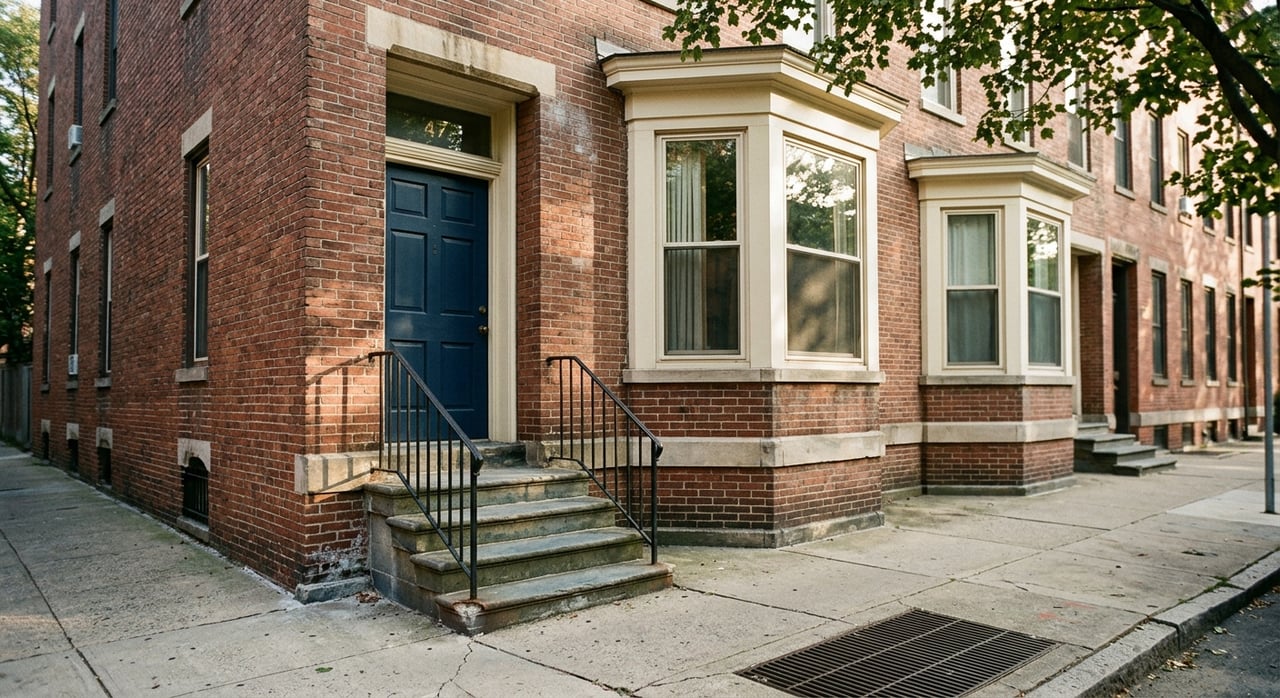
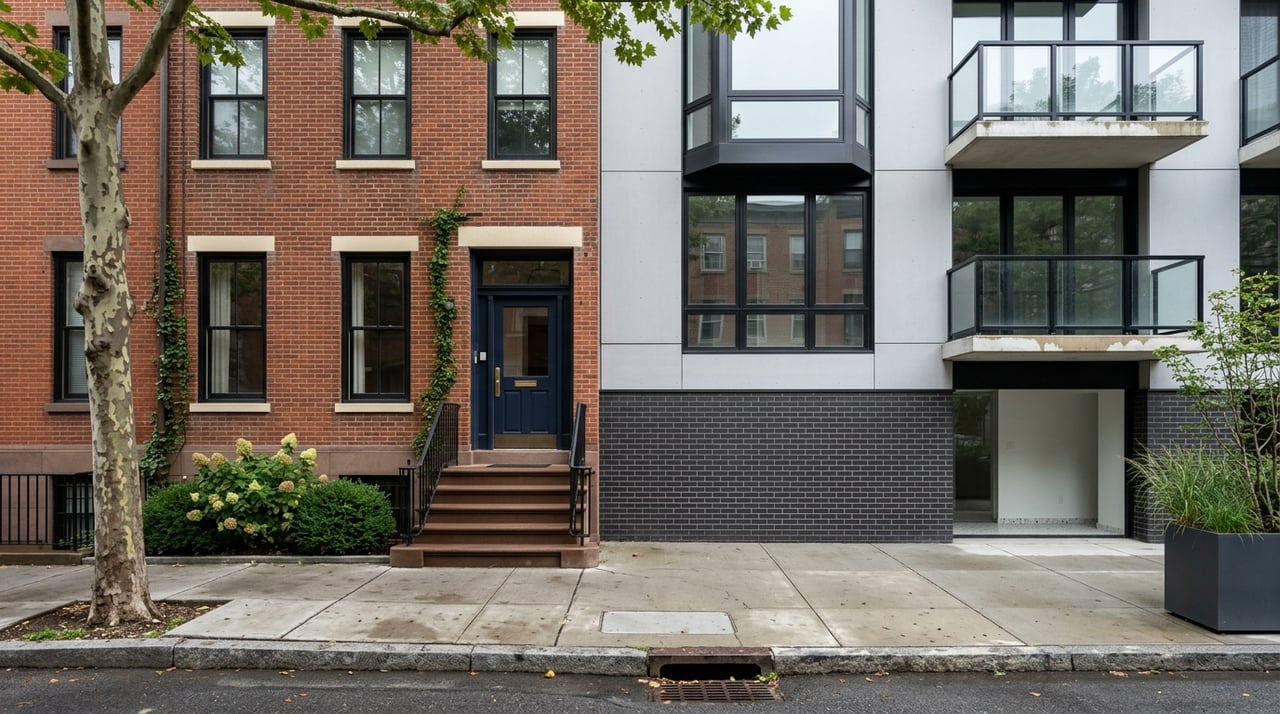
South End buildings range from 19th‑century brownstones to larger mid‑rise and mixed‑use condominiums. Many properties fall within or near the South End Landmark District, where exterior work often needs preservation review, which can add cost and time.

Brownstones: what to watch

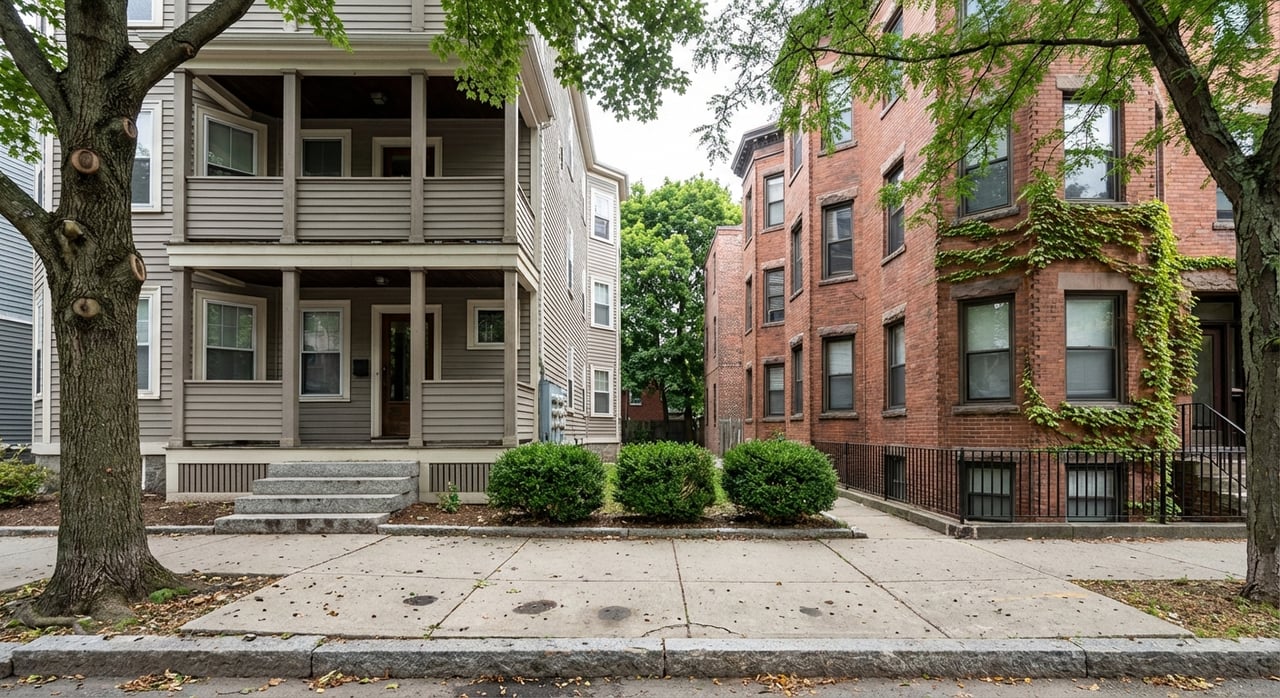
Small associations, often 2 to 6 units, usually have lean operating budgets and thinner reserves. A single project like roof replacement or masonry repointing can mean a five‑figure cost per unit. Governance may be informal, and collecting assessments can be slower, which strains cash flow.

Common capital needs include masonry and stoop repair, roof or cornice work, window restoration, and basement moisture or foundation fixes. Read the master deed carefully, since responsibility for exterior elements can vary.

Larger buildings: what to watch

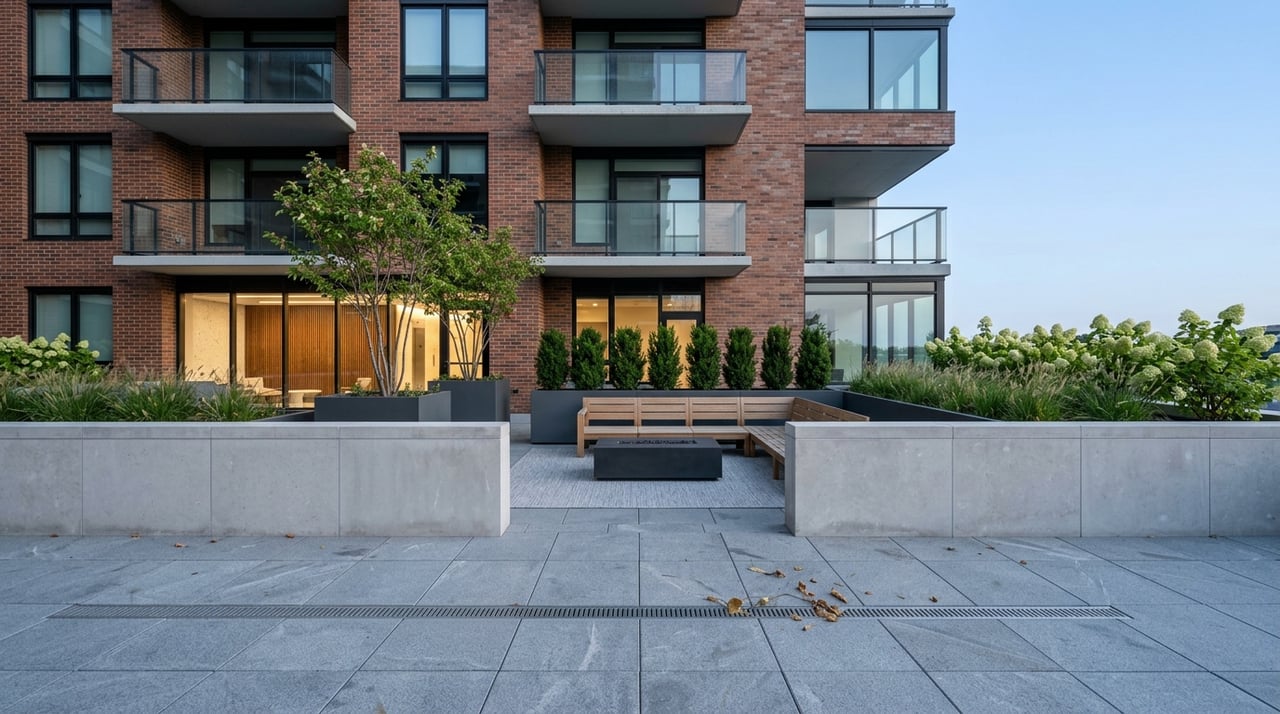
Associations with 20 or more units are more likely to have professional management, formal reserve studies, and multi‑year capital plans. That improves predictability. However, large projects like elevator modernizations or full façade programs carry large total price tags. If reserves are underfunded, assessments can be significant.

Documents to request

Ask for an electronic “association packet” that includes:

  • Current operating budget and prior 2 to 3 years of budgets and actuals
  • Most recent balance sheet and year‑to‑date profit and loss
  • Reserve study and reserve funding plan
  • Recent bank statements or a verified schedule of operating and reserve balances
  • List of delinquent owners and collection policy
  • Board meeting minutes for the last 12 to 24 months and any special meeting notices
  • Recent engineering reports, contractor proposals, and invoices for capital work
  • Insurance binder or certificate, including coverage type, limits, and deductibles
  • Current vendor contracts, such as management, elevator, landscaping, and snow removal
  • Master deed, declaration, bylaws, and rules
  • Estoppel or unit information certificate showing outstanding assessments
  • Litigation disclosures and any municipal violations

Request the estoppel early. Many lenders require it, and it confirms assessments, fees due, and other key facts.

How to read the numbers

Operating budget

Compare year‑over‑year line items. Focus on insurance, utilities, repairs and maintenance, management fees, legal fees, and snow removal. Repeated use of “special assessments” or reserve transfers to balance the budget signals that normal expenses may be underfunded.

Also look for a consistent practice of transferring money into reserves each month or year. A budget that plans for reserves is a sign of discipline.

Reserves and the reserve study

A recent, professional reserve study is your best indicator of future capital needs and timing. Check whether the association funds reserves at or near the study’s recommendation. If there is no study, or the reserve balance is far below the plan, the likelihood of future assessments is higher, especially in small brownstones where fewer owners share costs.

Profit and loss, plus balance sheet

  • Operating cash should cover near‑term bills. Thin or negative operating cash increases the risk of short‑notice assessments.
  • Compare reserve balances to the reserve study’s near‑term needs.
  • Review accounts receivable. High delinquencies as a percentage of total assessments strain cash flow and can delay repairs.

Insurance and contracts

Confirm master policy type and deductible size. Large deductibles can shift more cost to the association and owners after a claim. Look for D&O and fidelity coverage. Review long‑term contracts, such as elevator service, that lock in fixed costs or limit vendor flexibility.

Special assessments: decode the risk

Study the frequency, size, and reason for assessments in the last five years. Repeated or large assessments often point to underfunding or deferred maintenance. Note whether collections were completed, and whether any projects were financed. If the association has borrowed, understand repayment terms and the approval thresholds for future assessments.

Lender and underwriting checks

Many lenders follow guidelines that look at owner‑occupancy, delinquency levels, insurance, and reserve funding. If you need a specific loan type, involve your lender early and confirm what documents they require. An organized association packet helps keep your financing on track.

Step‑by‑step due diligence

  1. Tell your lender you are buying a South End condo and ask what the project review will require.
  2. Request the full association packet, including budgets, financials, reserve study, minutes, insurance, contracts, and the estoppel.
  3. Compare budgeted versus actual expenses for the past 2 to 3 years to spot shortfalls.
  4. Review the reserve study and funding plan. Confirm monthly or annual reserve contributions.
  5. Check delinquencies and the association’s collection policy.
  6. Read recent minutes for signs of upcoming projects, budget pressure, vendor disputes, or litigation.
  7. Verify code violations and permit history with the City of Boston Inspectional Services.
  8. If concerns arise, ask for engineering reports, bids, and the capital plan with timing and funding sources.
  9. Have your attorney review the master deed, bylaws, estoppel, and purchase and sale contingencies.
  10. Negotiate credits, escrow holdbacks, or seller contributions for known projects.

Red flags in the South End context

  • No recent professional reserve study
  • Reserve balance far below known needs or engineering reports
  • Repeated special assessments in recent years
  • High percentage of delinquent dues or slow collections
  • Board minutes showing unresolved contractor disputes or emergency repairs
  • Large master policy deductible or limited coverage
  • Municipal code violations or outstanding permit issues
  • Ambiguous master deed language on responsibility for exterior or party walls

Smart questions to ask

  • Can we see the last 3 years of financials, the current budget, and the latest reserve study?
  • How much cash is in operating and reserve accounts as of a specific date?
  • What percentage of annual assessments is currently delinquent, and how many owners are 60 or 90 days past due?
  • What capital projects were completed in the last 5 years, what did they cost, and were any financed?
  • Are there approved but unfunded projects or pending bids?
  • Has a special assessment been levied in the last 5 years, and for what purpose and amount per unit?
  • What does the master insurance policy cover, and what is the deductible? Do owners need HO‑6 coverage for interiors?
  • Are there any pending lawsuits or municipal violations?

Ways to protect your purchase

  • Make delivery of the full association packet and estoppel a purchase contingency.
  • Request seller credits or reserve contributions when large projects are imminent.
  • Negotiate an escrow holdback for specific capital work with clear release conditions.
  • If reserves are weak, adjust price expectations or terms to offset risk.
  • If using FHA or VA financing, confirm project eligibility early.

Where to verify records

The bottom line

In the South End, the combination of historic buildings and concentrated unit counts makes rigorous financial review essential. You want an association that pays the bills on time, funds reserves in line with a recent study, manages delinquencies, and communicates clearly about capital plans. With the right documents and a focused review, you can spot risk early and negotiate terms that protect you.

If you want help reading an association packet or pressure testing a building’s plan before you offer, reach out to The Residential Group. We know South End brownstones and larger associations, and we will help you buy with confidence.

FAQs

What financial documents should I review before buying a South End condo?

  • Request the current budget, prior 2 to 3 years of financials, balance sheet, reserve study and plan, bank balance verification, minutes, insurance binder, contracts, estoppel, and any litigation disclosures.

How can I tell if a condo association’s reserves are adequate?

  • Look for a recent professional reserve study and check whether the association funds reserves at or near the recommended level and maintains a separate, restricted reserve account.

Why do South End brownstones have higher assessment risk?

  • Small unit counts mean major projects like roofs or masonry are split among fewer owners, and many brownstones face historic‑district exterior obligations that add cost and timing.

What are signs a special assessment may be coming?

  • Repeated budget shortfalls, thin operating cash, underfunded reserves compared to the study, board minutes about deferred maintenance, and large insurance deductibles are common indicators.

Where can I verify condo association rules and responsibilities in Massachusetts?

How do I check for code issues or permits on a South End building?

Let’s Talk Real Estate

The Residential Group at William Raveis Real Estate is a team of experienced agents, specializing in the sale of urban dwellings and new construction/renovation properties in Metropolitan Boston. They are consistently ranked among the top sales teams at William Raveis Real Estate and top teams in all of Massachusetts.