Back Bay Condo Fees Explained: What Buyers Should Know
November 21, 2025
November 21, 2025
Staring at a Back Bay listing and wondering why one condo shows a fee in the low hundreds while another asks several thousand a month? You are not alone. In Boston’s Back Bay, fees vary widely by building type, services, and what utilities are included. This guide breaks down what you are paying for, how fees are set, and how to compare brownstones and luxury towers with confidence. Let’s dive in.
Condo fees, also called common charges or HOA fees, fund the building’s shared operations. You will see line items grouped into a few core buckets.
Boston-specific factors matter. Snow removal can be a large recurring line item. Exterior work in the Back Bay Architectural District may require approvals and specialized contractors, which can increase timelines and costs and, in some cases, lead to special assessments.
Your fee is based on the association’s annual budget and your unit’s share of common expenses. The master deed and declaration establish your unit’s allocation, often called a percentage interest or unit entitlement.
Here is a simple example. If a building’s total annual budget is $420,000 and your unit’s entitlement is 5 percent, your annual share is $21,000, or $1,750 per month. Actual numbers depend on your building’s budget, reserves, and allocation rules.
Back Bay’s condo stock falls into two broad categories. Understanding their fee profiles helps you compare apples to apples.
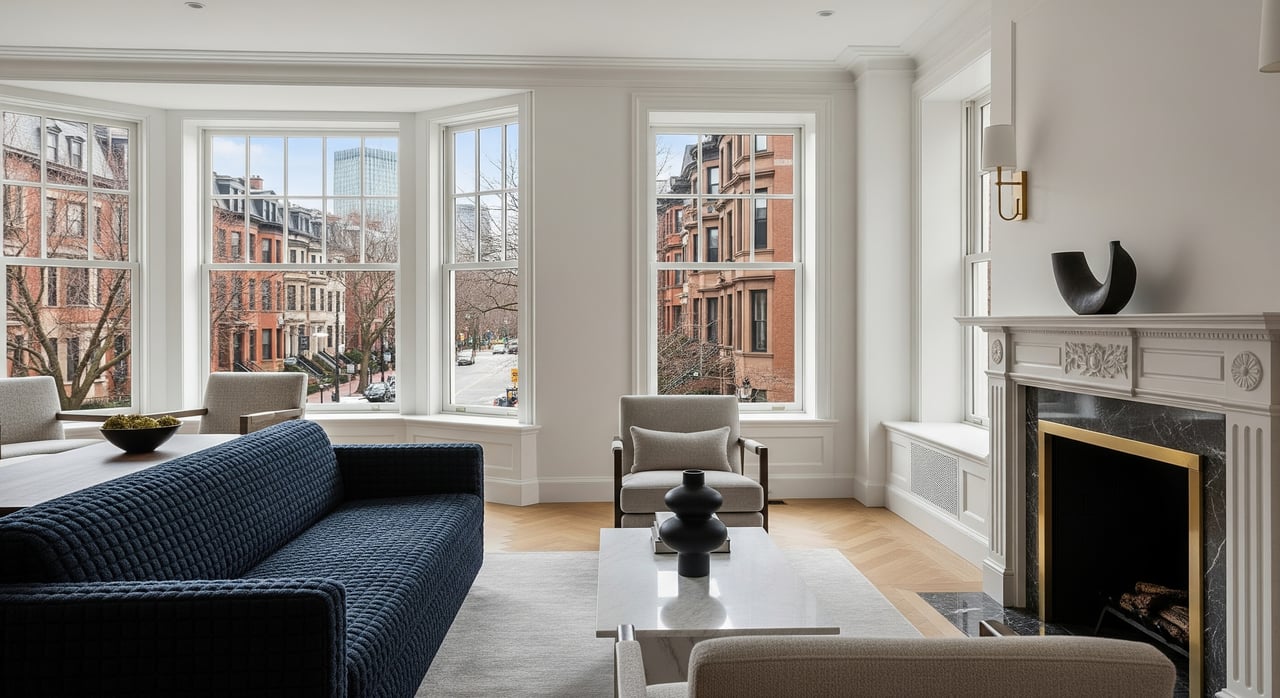
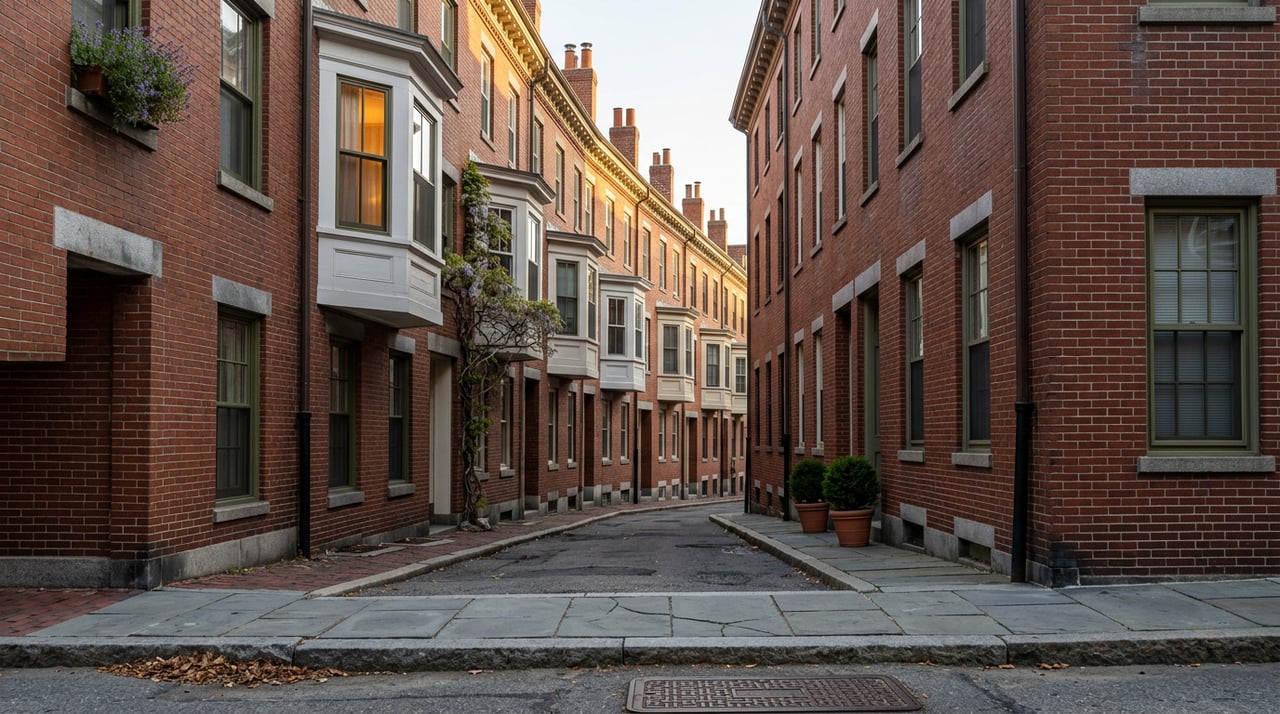
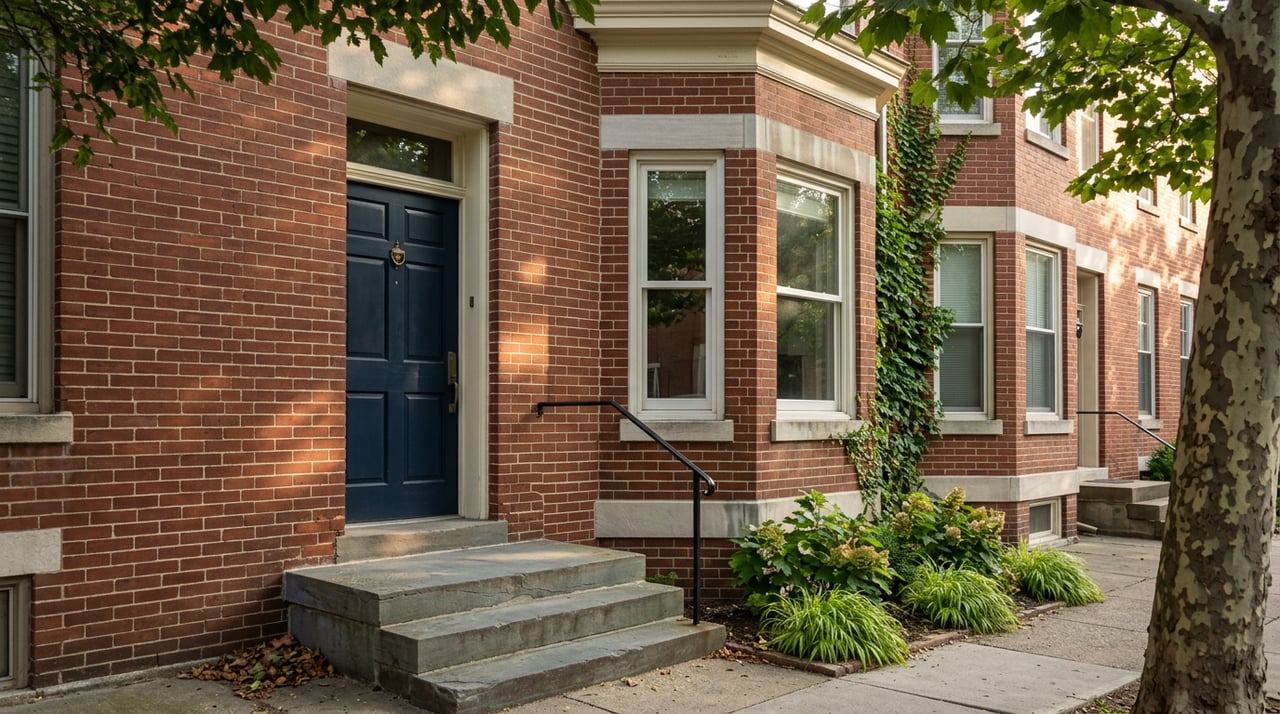
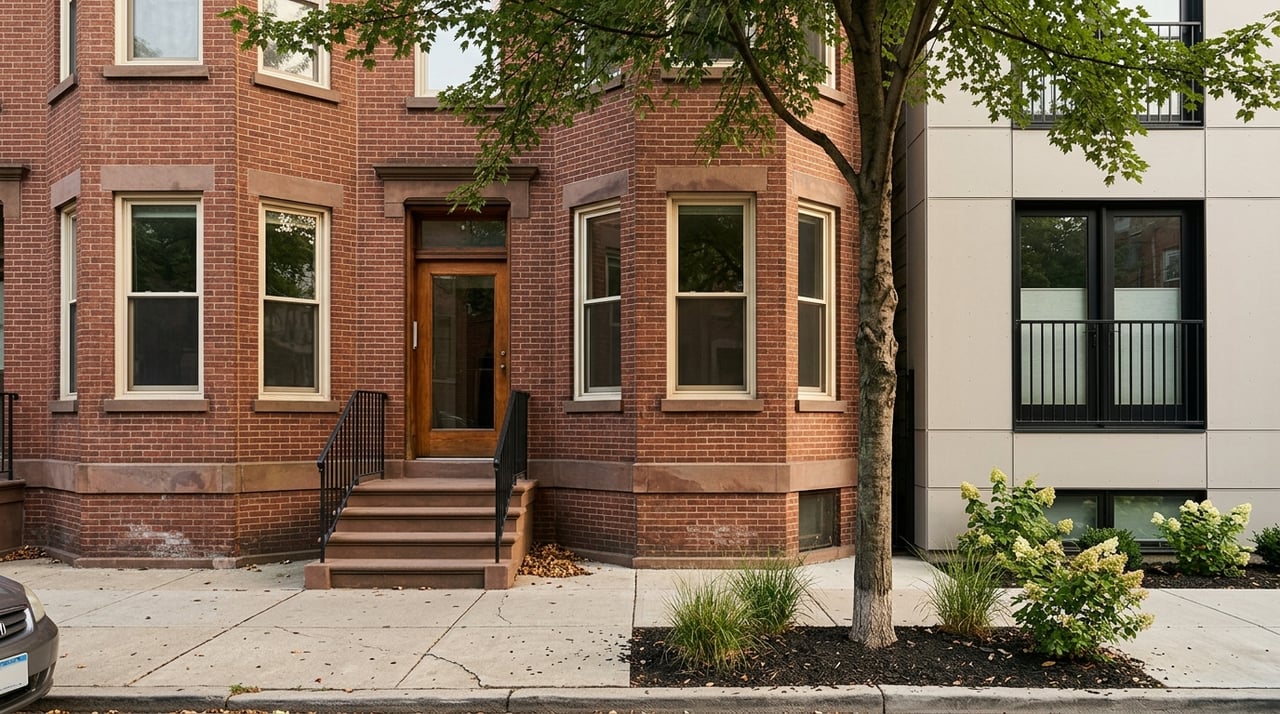
Historic low-rise brownstones usually have fewer amenities and smaller shared systems. Monthly operating fees can be lower for comparable square footage than full-service towers. That said, older buildings may face unpredictable capital needs for masonry, roofs, and waterproofing that can trigger special assessments.
For context, many 1 to 2 bedroom units in brownstone conversions show fees in the low hundreds to low thousands per month depending on size and what utilities are included. Smaller units often sit on the lower end. Larger homes can carry higher total fees even if their per-square-foot cost is lower.
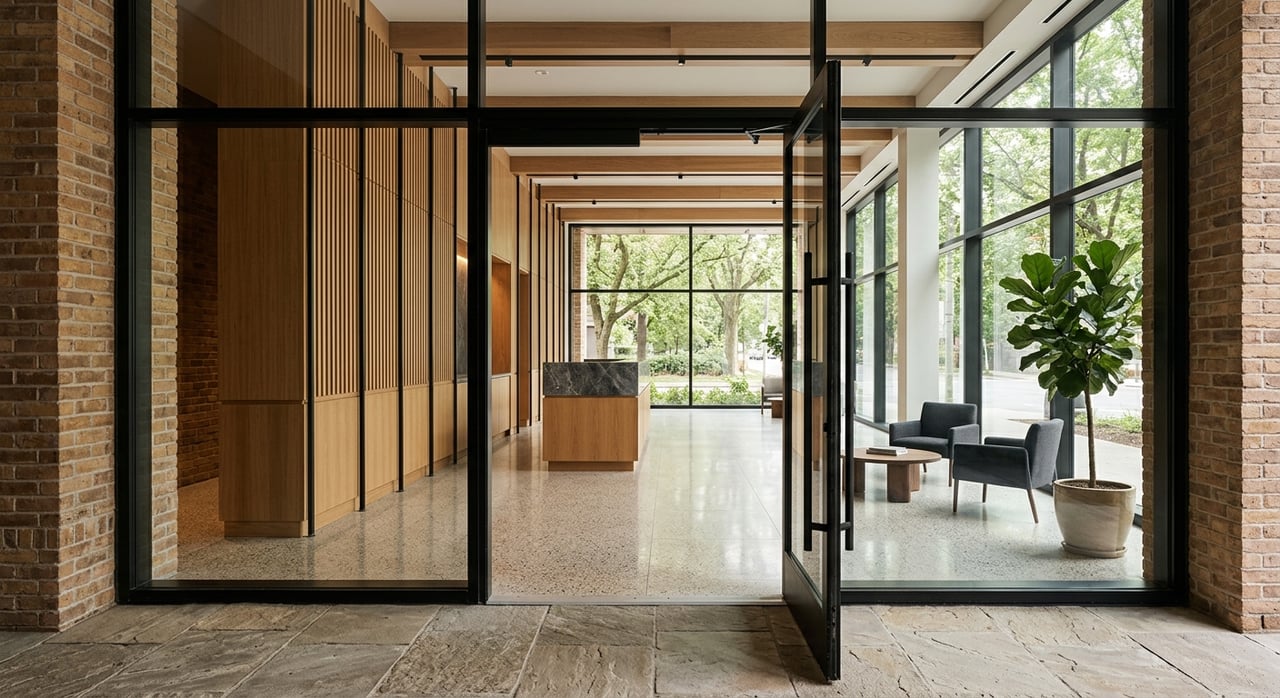
Luxury towers fund doorman or concierge staff, security, fitness centers, pools, elevators, and garage operations. Utilities like central heat or hot water are often included. These services drive higher monthly fees and increased insurance and reserve needs.
Fees for full-service towers scale with unit size and amenity level. Premium residences, especially those with included parking and extensive services, commonly reach into the multiple-thousands per month.
Comparing fees on a per-square-foot basis helps when unit sizes differ. Expect towers with many amenities to run higher per square foot than brownstones. Always adjust for what utilities and services are included.
Deeded parking can carry a separate monthly fee or a higher percentage entitlement. In Back Bay, where parking is scarce, assigned garage spaces often increase your monthly obligation or add a separate charge.
Several factors push fees up or create volatility from year to year.
In older Back Bay buildings, recurring masonry and waterproofing needs can be significant. Strong reserves reduce the risk of sudden special assessments.
Lenders include monthly condo fees in your debt-to-income calculation. Higher fees reduce borrowing capacity, even if the purchase price is the same as a lower-fee option elsewhere. Underwriters also review the association’s financial health, reserves, any pending assessments, and litigation as part of condo project eligibility.
Low reserves, high owner delinquencies, many non-owner-occupied units, or active litigation can complicate financing. Ask your lender early about project requirements, especially if you plan to use programs that have specific condo approval standards.
Before you submit an offer, request the right documents and read them closely. These items help you judge whether fees are fair, stable, and well managed.
Red flags include very low reserves, frequent special assessments, ongoing litigation, high delinquencies, frequent management changes, and visible deferred maintenance like water intrusion or failing masonry.
Create a side-by-side comparison that normalizes for size, services, and inclusions. A methodical approach protects your budget and reduces surprises.
A few targeted questions can reveal cost drivers and near-term risks.
Massachusetts condominiums are governed by Chapter 183A of the Massachusetts General Laws, along with each association’s master deed, declaration, and bylaws. These documents define your percentage interest, how expenses are allocated, voting rights, and assessment obligations. Always confirm the allocation formula for your unit and any amendments that affect fees.
Back Bay includes many buildings within the Back Bay Architectural District, where exterior work often needs review and approval. That process can lengthen timelines and add cost, which is why you should pay attention to reserve funding and project planning for façades, windows, and roofs.
Fees in Back Bay reflect building age, services, and utility set-ups. Brownstones can offer lower baseline fees but sometimes carry greater assessment risk for envelope work. Full-service towers deliver convenience and amenities that come with higher monthly costs and typically more predictable staffing and reserve structures.
If you evaluate the budget, reserves, upcoming projects, and allocation rules, you will understand what you are paying for and how stable those costs are likely to be. That clarity makes it easier to compare options and negotiate with confidence.
Ready to zero in on the right Back Bay condo and fee profile for your lifestyle and budget? Connect with The Residential Group for expert, neighborhood-level guidance and a clear plan from search through closing.
Stay up to date on the latest real estate trends.
The Residential Group at William Raveis Real Estate is a team of experienced agents, specializing in the sale of urban dwellings and new construction/renovation properties in Metropolitan Boston. They are consistently ranked among the top sales teams at William Raveis Real Estate and top teams in all of Massachusetts.