Buying New Construction Condos In Seaport: A Guide
December 4, 2025
December 4, 2025
Eyeing a brand-new condo in Boston’s Seaport but unsure how presales, deposits, selections, and warranties really work? You are not alone. Buying into a new development in the South Boston Waterfront comes with unique steps, timelines, and documents that differ from a typical resale. In this guide, you’ll learn how the process plays out in Seaport, what to ask for at each stage, and how to protect your investment from contract to keys. Let’s dive in.
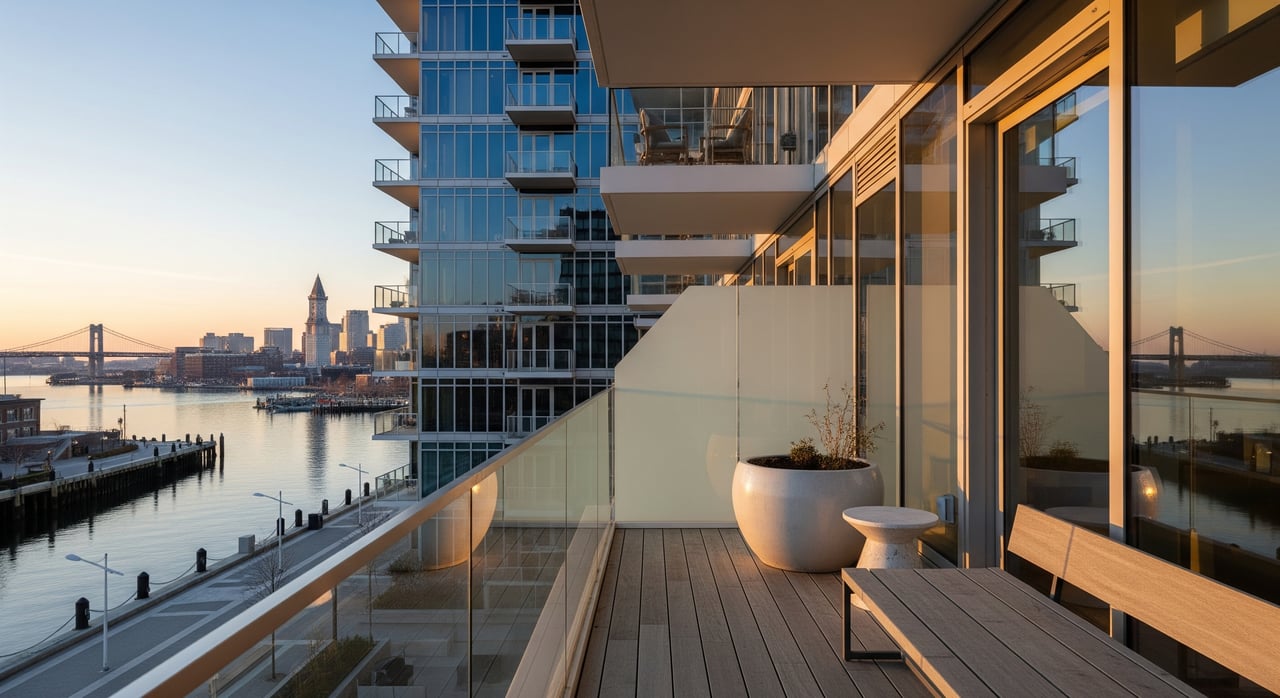
The Seaport District is a high-density, mixed-use hub with major residential, retail, office, and hospitality projects. Many condos here are part of larger developments or waterfront towers with full-service amenities. This often means premium pricing relative to other Boston neighborhoods and homeowners association fees that reflect concierge-level services.
Planning and approvals shape product types and timelines. To understand what is permitted and when phases deliver, review the BPDA Seaport project filings. These materials help you verify the scope, timeline, and any public commitments that could influence your building and surroundings.
Most Seaport projects sell units before completion. You may first sign a short reservation with a modest deposit while you review legal documents. Some developers move straight to a purchase and sale agreement that outlines deposits, contingencies, and delivery timing. Early presales can offer price incentives, but finishes may be represented by samples or a model rather than final in-unit installations.
A common structure is a small reservation deposit, followed by larger payments at contract and sometimes later milestones, reaching about 5–20% of the price before closing. Funds are typically held in an escrow or trust account. For clarity on trust account rules in Massachusetts, see the state’s brokerage and escrow guidance. Always confirm who holds your deposit and the refund conditions in writing.
At reservation or contract, ask for:
Developers may accept a mortgage contingency, an attorney review window, and a period to review condominium documents. A home sale contingency may be more limited. Confirm exactly what contingencies the developer allows before you sign.
Completion timelines are usually stated as estimates with defined extension rights for weather, permitting, supply chain issues, or other delays. Know your remedies if the delay becomes significant and how extensions affect your rate lock and move plans.
Some lenders have stricter rules for buildings that are not yet fully registered or are still under developer control. Engage your lender early and ask specifically about underwriting for new construction condos. For mortgage planning basics, the Consumer Financial Protection Bureau’s guidance is a helpful starting point.
After contract, you’ll be scheduled for design selections. The base package usually includes standard flooring, cabinetry, countertops, and appliances. Upgrades are offered at set prices. Clarify what the base includes, the cost of common upgrades, and how changes affect the delivery timeline.
Selection deadlines are strict because they tie to construction sequencing. After deadlines, changes may require a formal change order, added cost, and possible delays. Know when and how upgrade balances are due and whether vendor warranties differ for upgraded items.
During construction, access is limited for safety. Near completion, you’ll have a walkthrough to identify items to fix. This creates a punch list with agreed corrections and a timeline to complete them.
Schedule an inspection with a professional who understands new construction condominiums. Ask about common items in high-rise or amenity-rich buildings and confirm how to submit warranty items after closing.
You will review title, the recorded master deed and bylaws, rules and regulations, the association budget, and insurance summaries. Expect to pay typical closing costs plus any initial HOA contribution and any remaining upgrade balances. Some projects may require a capital contribution at closing. Ask for all amounts up front.
Some developments allow move-ins with a temporary occupancy certificate before final completion. Confirm how this affects closing timing, taxes, insurance, and financing.
Many builders provide a limited workmanship warranty for about one year, systems coverage for roughly two years, and a longer structural warranty that can extend to ten years. These 1-2-10 patterns are common industry norms, as reflected in NAHB warranty guidance. In Massachusetts, exact terms are defined by the builder’s documents rather than a uniform state statute, so read the warranty carefully and follow the claims process exactly as written.
Keep appliance, window, HVAC, and other manufacturer warranties handy. Submit requests in writing within the required timeframes and keep a log of communication and completed repairs.
In Massachusetts, a condominium is created by recording a master deed and related documents at the Registry of Deeds. The master deed defines unit boundaries, common areas, voting rights, and developer provisions. For the legal framework, review the Massachusetts Condominium Act (M.G.L. c. 183A).
During initial sales, the developer typically controls the association and sets the early budget. Review the initial budget, projected HOA fees, and reserve funding schedule. Amenity-rich Seaport buildings may carry higher operating costs, so understand the total monthly obligation and any startup capital contributions.
Turnover occurs when control transitions to unit owners based on triggers in the master deed or statute. At that time, records, budgets, contracts, and warranties should be delivered to the association. Be ready to participate in board elections or committee work to help shape policies and priorities.
Buying new construction in the South Boston Waterfront is as much about process as it is about product. When you have a team that understands presales, condo documents, developer timelines, and Seaport-specific budgeting, you move with confidence. If you are weighing a presale opportunity against a nearby resale, or you want help validating budgets, warranties, and delivery dates, connect with The Residential Group for clear guidance and a smooth path to closing.
Stay up to date on the latest real estate trends.
The Residential Group at William Raveis Real Estate is a team of experienced agents, specializing in the sale of urban dwellings and new construction/renovation properties in Metropolitan Boston. They are consistently ranked among the top sales teams at William Raveis Real Estate and top teams in all of Massachusetts.